CM Sai Chairs Health & Medical Education Review in Raipur
Synopsis
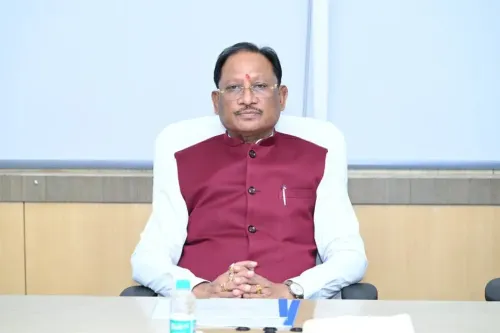
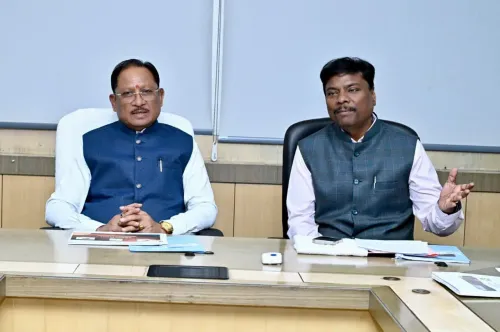
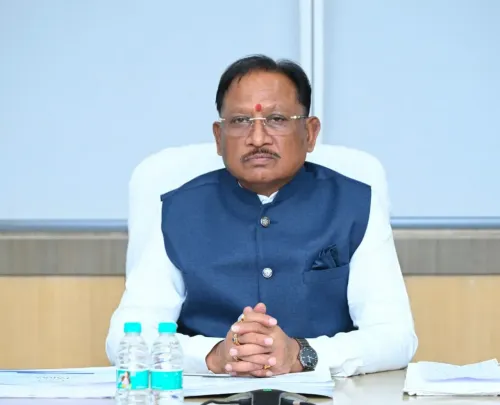
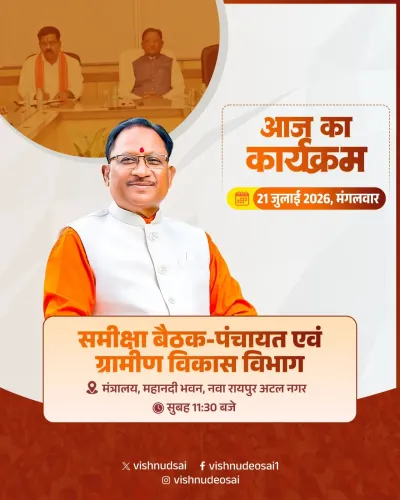
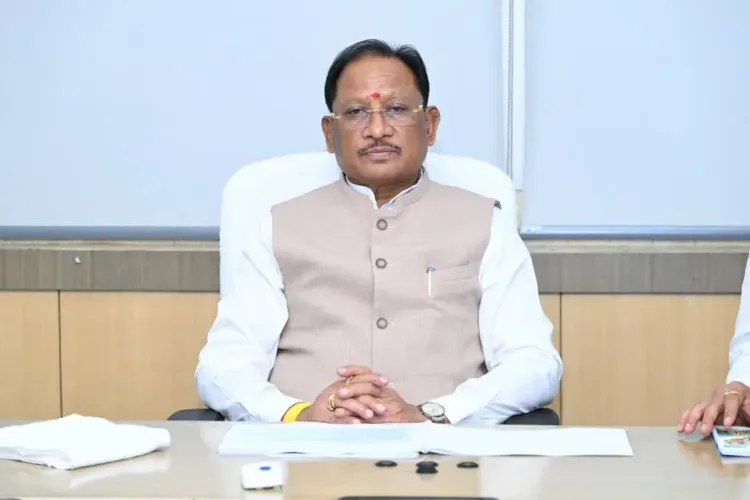
Chief Minister Vishnu Deo Sai chaired a joint review of Chhattisgarh's Health and Family Welfare and Medical Education departments at Mahanadi Bhawan, Nava Raipur Atal Nagar on October 14, 2026, signalling a unified push to address both public health delivery and medical workforce gaps in the state.
Key Takeaways
CM Vishnu Deo Sai personally chaired the review, elevating accountability at the top of the executive chain.
Both the Health and Family Welfare Department and the Medical Education Department were reviewed together — a unified approach to tackling delivery and workforce gaps simultaneously.
The meeting was held at Mahanadi Bhawan, Nava Raipur Atal Nagar , Chhattisgarh's planned state capital and secretariat hub.
The Sai government , in office since December 2023 , has identified healthcare and medical education as priority sectors since its inception.
Possible follow-up outcomes include decisions on new medical colleges, district hospital budgets, and rural health infrastructure timelines.
At the helm of Chhattisgarh's state secretariat in Nava Raipur Atal Nagar, Chief Minister Vishnu Deo Sai convened a high-level review meeting on Wednesday, October 14, 2026, to assess the performance of both the Health and Family Welfare Department and the Medical Education Department — a combined audit that signals the administration's intent to treat public health delivery and healthcare workforce development as a single, integrated challenge.
Two departments, one table — why the joint review matters
Holding both departments to account in a single sitting is a deliberate administrative choice. Chhattisgarh's health infrastructure has historically struggled with a dual gap: adequate front-line services for its large rural and tribal population, and a trained workforce pipeline to sustain them. By placing Health and Family Welfare alongside Medical Education in the same review frame, the Chief Minister's Office signals that staffing shortfalls and service gaps will be examined as cause and effect — not in separate silos.
The meeting was held at Mahanadi Bhawan, the state secretariat complex in the planned capital city of Atal Nagar, which houses Chhattisgarh's principal administrative departments.
Sai government's healthcare priority since December 2023
Vishnu Deo Sai took charge as Chief Minister in December 2023 following the BJP's victory in the state assembly elections. From the outset, his administration identified healthcare and medical education as priority sectors for structured administrative oversight. Periodic departmental review meetings of this kind are a recurring feature of Chhattisgarh's governance calendar — but the frequency and seniority of chair matter: a CM-level review compels senior bureaucrats and department heads to present ground-level data directly to the top of the executive chain.
Stakeholders in the room would typically include senior Indian Administrative Service officers heading both departments, principals of state-run medical colleges, and officials overseeing district health programmes.
What comes next from Mahanadi Bhawan
Review meetings of this profile often precede concrete announcements — new medical college proposals, revised budget allocations for district hospitals, or accelerated timelines on pending health infrastructure projects. With Chhattisgarh's vast interior districts still relying on a thin network of public health centres, the pressure to translate review findings into on-ground action is real and immediate.
The Chief Minister's personal chairmanship raises the political stakes on follow-through. Chhattisgarh's rural and tribal communities — the state's largest health-service constituency — are watching whether this review room translates into a better-staffed clinic in their block.
Point of View
Where tribal and rural constituencies form a decisive electoral base and chronic healthcare understaffing remains a governance liability. By sitting at the head of both departments simultaneously, Sai positions himself as a hands-on administrator — a narrative the BJP has leaned on since the 2023 election campaign. The real test will come in the weeks after the review: whether budgetary or structural decisions follow, or whether the meeting remains a procedural gesture. For a state with aspirations of expanding its medical college network and improving district-level health indicators, the frequency and seriousness of such reviews can meaningfully shape outcomes.
NationPress
14 Oct 2026
Frequently Asked Questions
What was the review meeting chaired by CM Vishnu Deo Sai about?
CM Vishnu Deo Sai chaired a review meeting on October 14, 2026, to assess the functioning and progress of Chhattisgarh's Health and Family Welfare Department and Medical Education Department at Mahanadi Bhawan in Nava Raipur Atal Nagar.
Where is Mahanadi Bhawan located?
Mahanadi Bhawan is the state secretariat complex located in Nava Raipur Atal Nagar, the planned capital city of Chhattisgarh.
When did Vishnu Deo Sai become Chief Minister of Chhattisgarh?
Vishnu Deo Sai became Chief Minister of Chhattisgarh in December 2023, following the BJP's victory in the state assembly elections.
Why did Chhattisgarh review health and medical education together?
Reviewing both departments together reflects the state's approach to addressing the interlinked problems of inadequate health service delivery and insufficient trained medical workforce in a single administrative exercise.
What could follow from this Chhattisgarh health review meeting?
Based on past patterns, such high-level reviews in Chhattisgarh can lead to announcements on new medical colleges, revised district hospital budgets, or accelerated health infrastructure projects in the coming months.