CM Sai Pledges to Make Chhattisgarh a Green Energy Hub
Synopsis
Chief Minister Vishnu Deo Sai vowed on November 3, 2026 to position Chhattisgarh as a green energy leader, invoking PM Modi's guidance and framing solar power as the path to prosperity, environmental protection, and jobs for the state's youth.
Key Takeaways
CM Vishnu Deo Sai on November 3, 2026 publicly committed to making Chhattisgarh a 'major centre of green energy.' The push is positioned under PM Narendra Modi 's national renewable energy framework, which targets 500 GW of non-fossil capacity by 2030 .
Solar power is framed as a triple-dividend: environmental protection, economic prosperity, and youth employment.
Chhattisgarh has historically been a coal and thermal power state, making this green pivot strategically significant.
The National Solar Mission , launched in 2010 , provides the central policy architecture within which state-level commitments like this operate.
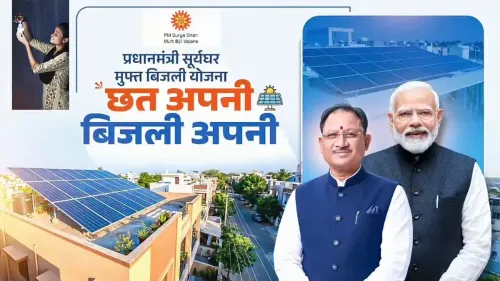
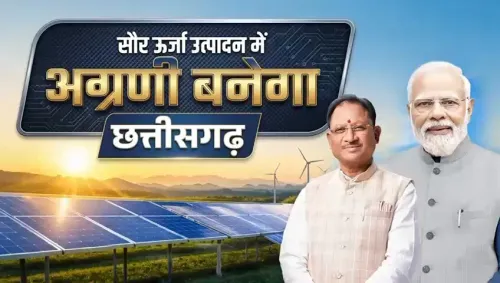
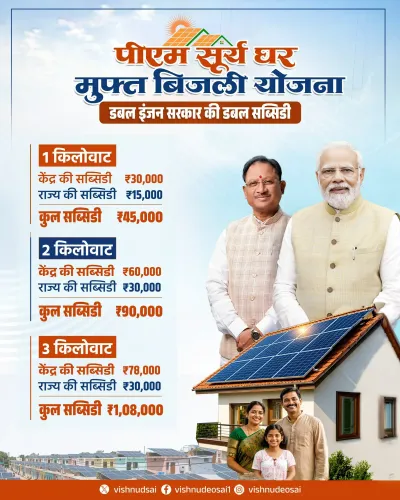
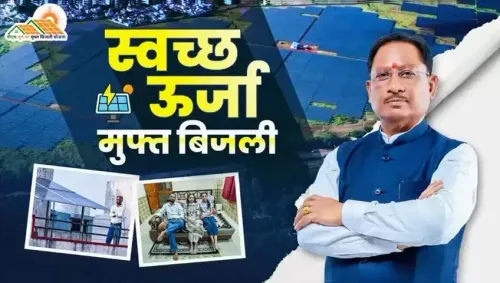
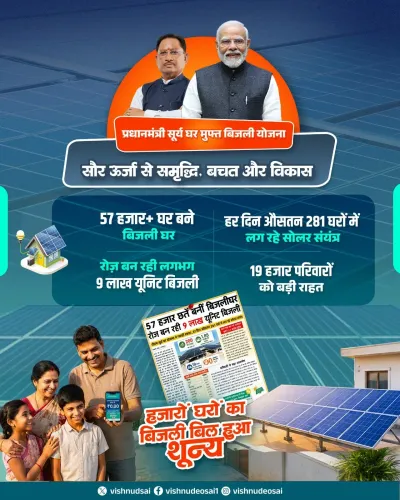
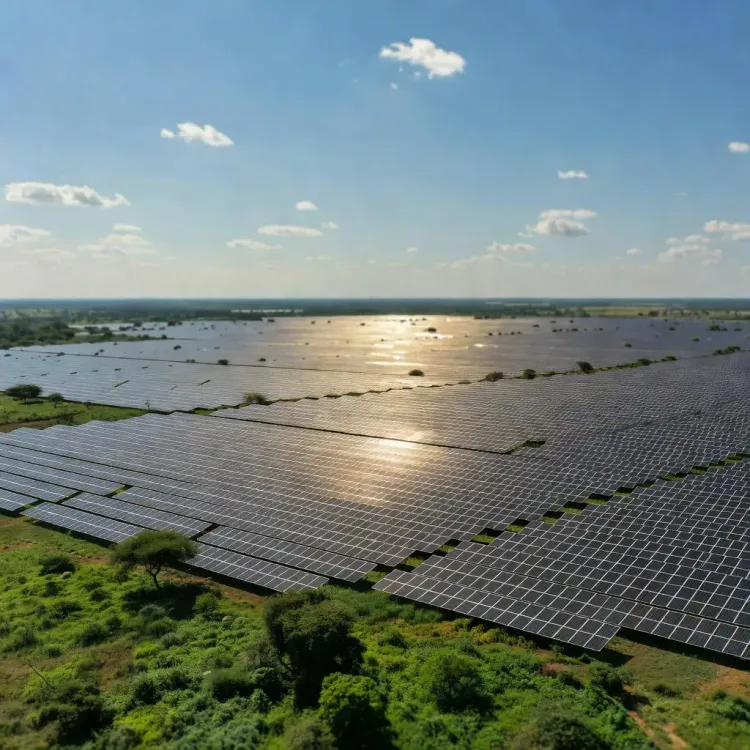
Preserving nature is culture, not policy — and on Tuesday, November 3, 2026, Chhattisgarh Chief Minister Vishnu Deo Sai made exactly that argument, declaring his government's resolve to transform the state into a leading centre of green energy under Prime Minister Narendra Modi's guidance.
In a post on X, CM Sai wrote: 'प्रकृति को सहेजना हमारी संस्कृति है' — 'Preserving nature is our culture' — and framed solar power not merely as an energy source but as a vehicle for prosperity, environmental protection, and opportunity for Chhattisgarh's youth. The message was directed squarely at PM Modi, whose name and handle anchored the closing line.
A Coal-Country State Pivots Toward the Sun
Chhattisgarh carries a paradox at its heart: it is one of India's most mineral-rich states, long defined by coal and thermal power, yet it sits inside a geographic belt with substantial solar irradiation potential. The state's pivot toward renewables is part of a national pattern that has accelerated since 2014, with the central government encouraging states to develop solar parks as anchors of a broader decarbonisation strategy.
India's ambition is enormous on paper. At COP26 in 2021, the country committed to reaching 500 GW of non-fossil fuel energy capacity by 2030 — a target that cannot be met by a handful of sun-drenched western states alone. Every major state, including traditionally thermal-heavy ones like Chhattisgarh, must carry its share of that load. The National Solar Mission, launched in 2010, first established the architecture; what CM Sai is signalling now is that Chhattisgarh intends to be a contributor, not a bystander.
Youth and Jobs: The Political Calculus Behind the Green Push
The explicit mention of youth opportunity in CM Sai's post is not incidental. Renewable energy infrastructure — from solar park construction to grid maintenance to manufacturing of components — generates a different profile of employment than mining or thermal power. For a state government managing the expectations of a young demographic, anchoring green energy to job creation is a deliberate political and economic choice.
The argument follows a well-worn but effective template: environmental responsibility and economic growth are not in tension, they are the same story told from different angles. Whether Chhattisgarh can translate that vision into concrete solar tenders, land acquisition, and central funding will be the test. The resolve is announced; the infrastructure is what follows.
Point of View
Not just Rajasthan or Gujarat, to contribute meaningfully to the 500 GW goal. For a BJP government in a mineral-heavy state, the green energy framing also pre-empts criticism about environmental governance by placing the party on the side of the future. The youth-employment angle adds a domestic economic dividend that makes the pitch locally persuasive, not just globally fashionable. Watch whether concrete solar park tenders or central funding allocations follow — that is when rhetoric becomes record.
NationPress
3 Nov 2026
Frequently Asked Questions
What did Chhattisgarh CM Vishnu Deo Sai announce about green energy?
On November 3, 2026, CM Vishnu Deo Sai declared that Chhattisgarh will become a major green energy hub, with solar power as the primary driver, framing it as both an environmental duty and an economic opportunity for the state's youth.
What is India's renewable energy target by 2030?
India committed at COP26 in 2021 to achieve 500 GW of non-fossil fuel energy capacity by 2030, a target that requires significant contributions from states including Chhattisgarh.
Why is Chhattisgarh's green energy push significant?
Chhattisgarh has traditionally been a coal and thermal power state. A shift toward solar and green energy would mark a major strategic pivot and contribute to India's national decarbonisation targets.
What is the National Solar Mission?
The National Solar Mission was launched by India in 2010 to scale up solar power capacity across the country, forming the policy backbone for state-level solar development programmes.
How does solar energy benefit Chhattisgarh's youth?
CM Sai explicitly linked green energy development to job creation, arguing that solar park construction, maintenance, and associated industries can generate new employment opportunities for Chhattisgarh's young workforce.