CM Sai Hails GSLV-F18 Launch of NVS-03 NavIC Satellite
Synopsis
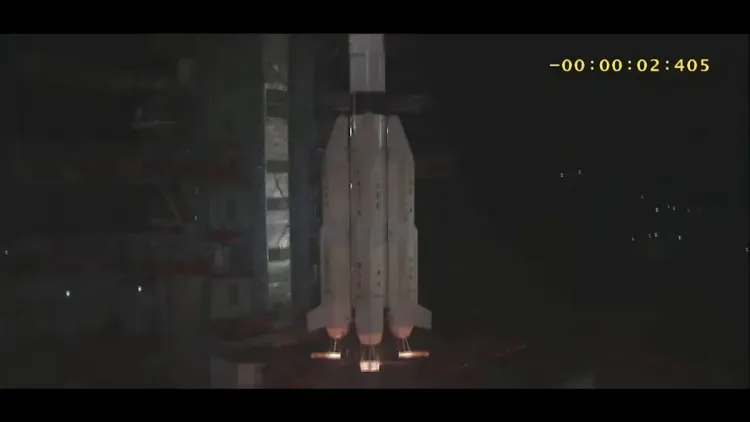
Chhattisgarh CM Vishnu Deo Sai hailed ISRO's GSLV-F18 launch of the NVS-03 navigation satellite on 31 October 2026, calling it a historic milestone for NavIC, India's indigenous GPS alternative, and a major boost to national security and strategic self-reliance.
Key Takeaways
NVS-03 was successfully launched aboard ISRO's GSLV-F18 mission on 31 October 2026 .
The satellite bolsters NavIC (Navigation with Indian Constellation), India's indigenous regional navigation satellite system.
NavIC development traces back to the launch of IRNSS-1A in 2013 ; the second-generation NVS series began with NVS-01 in May 2023 .
CM Sai specifically cited enhanced strategic and defence capabilities for India's armed forces as a key benefit.
The mission aligns with the Atmanirbhar Bharat framework to reduce India's dependence on foreign GNSS systems such as GPS.
Completion of the full NavIC constellation depends on the remaining NVS-series launches still to come.
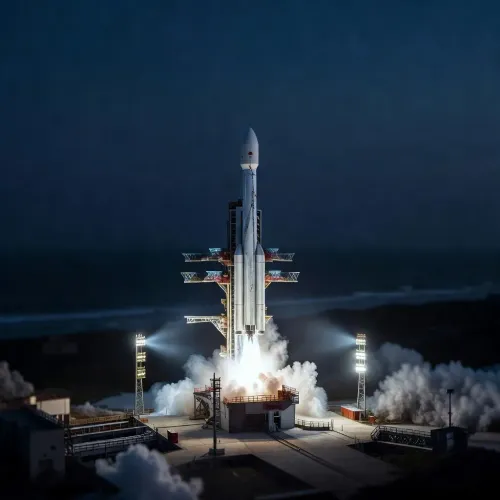
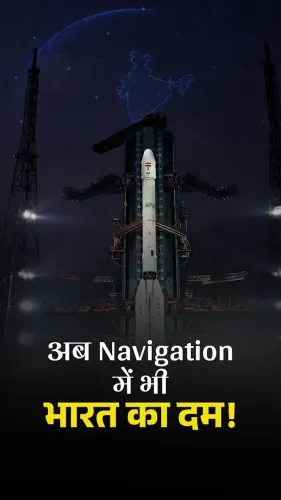
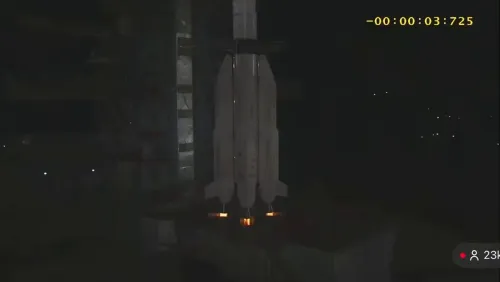
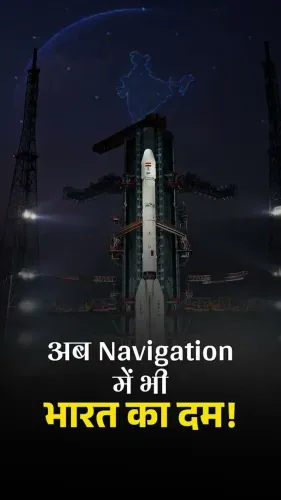
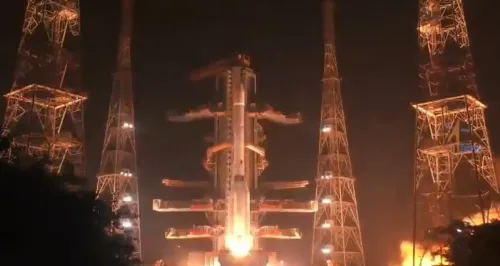
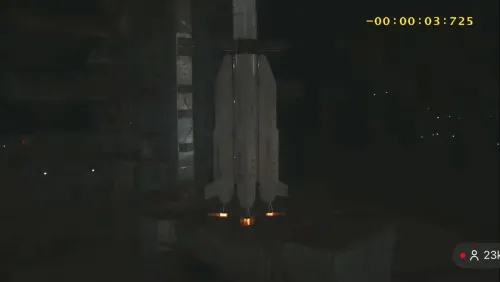
India's indigenous navigation network just got sharper — and Chhattisgarh Chief Minister Vishnu Deo Sai was among the first voices to mark the moment. On Saturday, 31 October 2026, CM Sai took to X to celebrate the successful launch of the NVS-03 satellite aboard ISRO's GSLV-F18 mission, calling it a historic stride in India's journey toward technological self-reliance.
In his post — written in Hindi and addressed directly to @isro — CM Sai described the launch as a landmark achievement for NavIC, India's homegrown regional navigation satellite system: 'NavIC ko aur adhik sashakt banane tatha takniki atmanirbharta ki disha mein ek mahatvapurn uplabdhi' ('a significant achievement in strengthening NavIC and advancing the direction of technological self-reliance'). He specifically highlighted the mission's implications for national security, noting that the armed forces' strategic capabilities would receive 'new strength'.
NavIC's Long Road — From IRNSS-1A to NVS-03
India's ambition to own its own 'GPS' did not happen overnight. The journey began with the launch of IRNSS-1A in 2013, the first satellite in what would eventually be branded as NavIC (Navigation with Indian Constellation) — also known as IRNSS, the Indian Regional Navigation Satellite System. The goal was always strategic: cut dependence on foreign Global Navigation Satellite Systems, particularly the US-owned GPS, and give India sovereign control over its own positioning, navigation, and timing infrastructure.
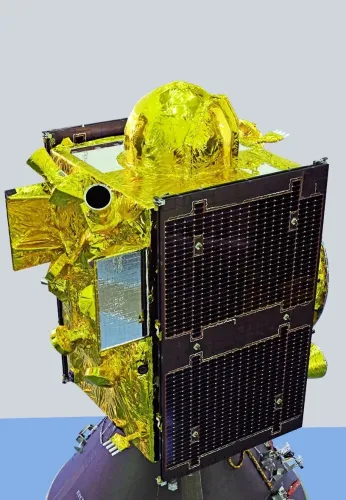
The second generation of that vision took shape with the NVS (NavIC Validation Satellite) series. NVS-01, the first of this upgraded generation, lifted off aboard GSLV-F14 in May 2023, replacing and augmenting ageing first-generation satellites. NVS-03, now in orbit, continues that build-out — each launch tightening coverage, improving signal accuracy, and hardening the constellation against single-point failure.
Why the Military Angle Matters
CM Sai's explicit mention of the armed forces is not rhetorical. NavIC's value to India's defence establishment is precisely why successive governments have invested in it under the Atmanirbhar Bharat framework. Accurate, independent positioning that cannot be switched off or degraded by a foreign operator is a foundational requirement for modern warfare — from missile guidance and troop navigation to drone operations and maritime domain awareness. A fully operational, indigenously controlled constellation removes that vulnerability entirely.
Beyond defence, the civilian dividend is substantial: precision agriculture, disaster management, fleet tracking, and next-generation mapping services all stand to benefit as the NavIC constellation grows denser and more reliable.
ISRO's GSLV — The Workhorse Behind the Mission
The Geosynchronous Satellite Launch Vehicle (GSLV) has been ISRO's go-to rocket for placing heavier payloads — particularly navigation and communication satellites — into geostationary transfer orbit. Developed entirely in-house, the GSLV series itself embodies the self-reliance principle CM Sai invoked: India does not need to book a foreign launch vehicle to expand its own satellite infrastructure.
CM Sai closed his post with a salute to the scientists behind the mission: 'Bhartiya vaigyanikon ka athak parishram, navachar aur samarpan desh ko antriksh vigyan ke kshetra mein nirantar nayi unchaion par le ja raha hai' ('The tireless hard work, innovation, and dedication of Indian scientists is continuously taking the country to new heights in space science'). Jai Hind!
With NVS-03 now in orbit, the remaining NVS-series launches will determine how quickly NavIC reaches full operational capacity — and how comprehensively India can finally cut the cord from foreign navigation systems for good.
Point of View
Linking the mission to national security, reflects the BJP's consistent messaging around Atmanirbhar Bharat as a defence and strategic-autonomy project, not merely an economic one. For ISRO, each NVS-series launch repairs and expands a constellation that lost ground when first-generation satellites suffered atomic-clock failures. The real test will be whether the full constellation reaches operational status quickly enough to drive genuine platform integration across the armed forces and civilian infrastructure.
NationPress
31 Oct 2026
Frequently Asked Questions
What is NVS-03 and why was it launched?
NVS-03 is the third second-generation NavIC navigation satellite, launched aboard ISRO's GSLV-F18 to expand and strengthen India's indigenous regional navigation satellite constellation and reduce reliance on foreign systems like GPS.
What is NavIC and how is it different from GPS?
NavIC (Navigation with Indian Constellation) is India's own regional navigation satellite system, providing positioning, navigation, and timing services independently of American GPS, European Galileo, or other foreign systems — giving India sovereign control over its navigation infrastructure.
What is the GSLV rocket used to launch NVS-03?
GSLV, or Geosynchronous Satellite Launch Vehicle, is ISRO's indigenously developed rocket designed to place heavier satellites into geostationary transfer orbit; the GSLV-F18 variant was used for the NVS-03 mission.
How does NavIC help India's military and defence forces?
An independent navigation system means India's armed forces can access precise positioning and timing services without dependence on a foreign-controlled network that could be degraded or denied in a conflict — critical for missile guidance, troop operations, and maritime surveillance.
When did India start building its own navigation satellite system?
India began building the system with the launch of IRNSS-1A in 2013; the constellation was later branded as NavIC and entered a second-generation upgrade phase with NVS-01 launched in May 2023.