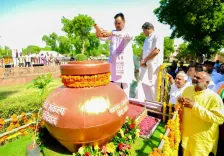
CM Vishnu Deo Sai hails Raipur blood donation drive
Synopsis
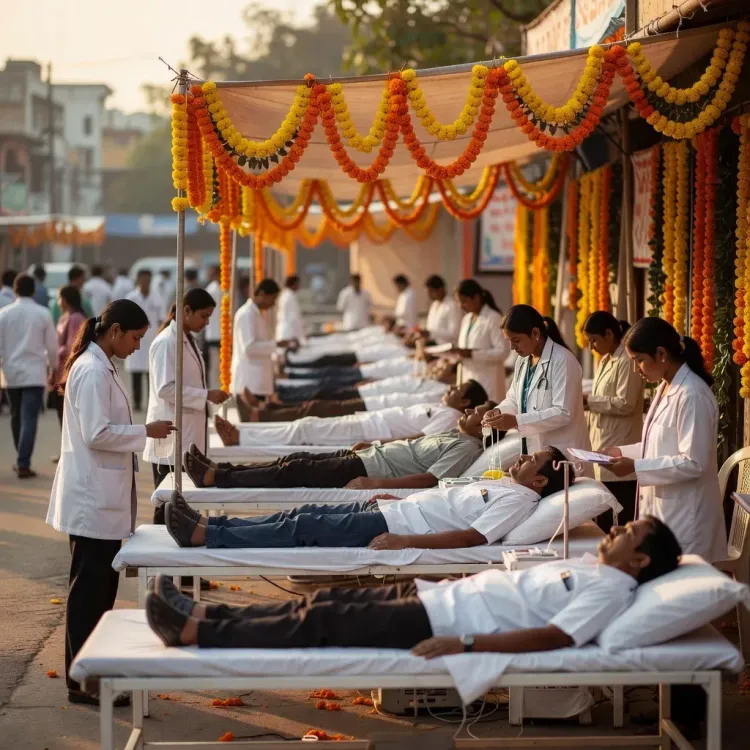
Chhattisgarh CM Vishnu Deo Sai on 24 September 2026 lauded a large-scale blood donation camp in Raipur under the Seva Sankalp Abhiyan, calling community-driven service a great social force and a beacon of hope for those in need.
Key Takeaways
A Rakta Daan Mahakumbh was held in Raipur under the Seva Sankalp Abhiyan on 24 September 2026 .
CM Vishnu Deo Sai publicly praised the participation of mothers, sisters, and youth at the event.
The Seva Sankalp Abhiyan is a state-level voluntary-service campaign launched under CM Sai's government , which took office in December 2023 .
CM Sai framed blood donation as a cultural and moral duty rooted in Indian values of seva .
Voluntary blood donation drives are a key tool for replenishing Chhattisgarh's blood bank stocks and reducing dependence on replacement donors.
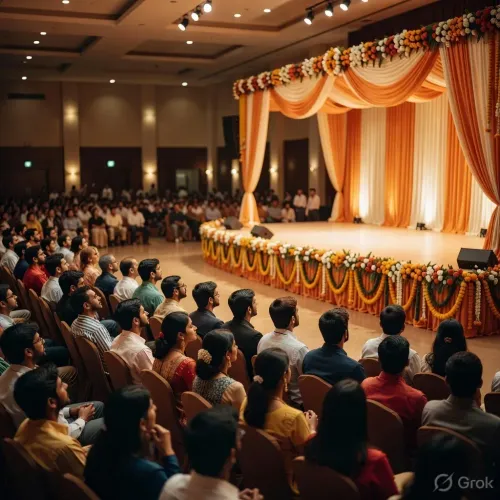
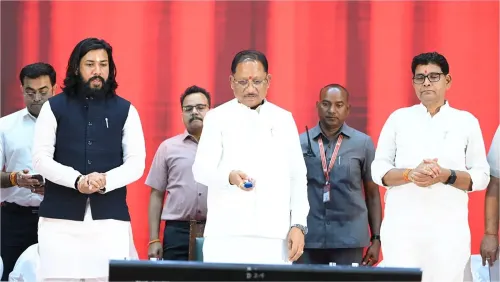
A mass blood donation drive in Raipur drew mothers, sisters, and young volunteers to give what no factory can manufacture — a chance at life for a stranger. Chhattisgarh Chief Minister Vishnu Deo Sai on Thursday, 24 September 2026 praised the turnout at the Rakta Daan Mahakumbh, held under the state's Seva Sankalp Abhiyan, saying the spirit of service multiplied by community participation becomes a great social force.
What the 'Rakta Daan Mahakumbh' stood for
Posting in Hindi, CM Sai framed the event in the language of cultural duty: 'हमारे संस्कार हमें दूसरों के सुख-दुःख में सहभागी होना सिखाते हैं' — 'Our values teach us to share in the joys and sorrows of others.' The blood donation camp was positioned not merely as a health activity but as a lived expression of that teaching, with the Chief Minister stating that this spirit of service should 'grow sensitivity in society and become a beacon of hope for someone in need.'
Seva Sankalp Abhiyan and BJP's community welfare push
The Seva Sankalp Abhiyan is a state-level campaign under CM Sai's government — which took office in December 2023 — aimed at channelling voluntary service and citizen participation into public welfare activities. Blood donation camps are a recurring fixture of such outreach efforts across BJP-governed states, deliberately woven into the party's idiom of seva (selfless service) rather than purely administrative health delivery.
Raipur, as the capital of Chhattisgarh, serves as the natural stage for flagship events, giving state-level campaigns their most visible audience. The #SevaSankalpAbhiyan hashtag signals an organised, branded rollout rather than a one-off camp.
Why voluntary blood donation still matters in India
India's blood banking system has historically relied on a mix of voluntary, replacement, and paid donation — with voluntary donation being the gold standard for safety and supply security. State governments that mobilise community drives help replenish blood banks ahead of high-demand periods, directly benefiting surgical patients, road-accident victims, and those with conditions like thalassaemia. Every camp that converts a first-time donor into a regular one compounds that benefit for years.
The message from Raipur on 24 September is simple but consequential: when civic ritual and public health align, the result is a blood bank stocked, a life saved, and a community reminded of its own capacity for generosity.
Point of View
Making community participation feel like a civic identity rather than a government directive. For CM Sai, who is consolidating BJP's hold on Chhattisgarh after the party's return to power in late 2023, high-visibility grassroots events serve a dual purpose: they address genuine health infrastructure gaps while reinforcing the party's brand of participatory governance. The 'mahakumbh' framing — borrowing the scale-and-devotion imagery of a pilgrimage — is a recurring BJP communications device that elevates routine outreach into a cultural moment. Whether the campaign produces measurable, sustained increases in voluntary donation rates will be the real test of its public-health ambition.
NationPress
24 Sept 2026
Frequently Asked Questions
What is Seva Sankalp Abhiyan in Chhattisgarh?
Seva Sankalp Abhiyan is a state-level campaign in Chhattisgarh that promotes voluntary community service and public participation in welfare activities, operating under CM Vishnu Deo Sai's government.
What happened at the Raipur blood donation camp on 24 September 2026?
A Rakta Daan Mahakumbh was organised in Raipur under the Seva Sankalp Abhiyan, drawing large numbers of donors including women and youth; CM Vishnu Deo Sai praised the turnout on social media.
Who is Vishnu Deo Sai and which party does he belong to?
Vishnu Deo Sai is a BJP leader who has served as Chief Minister of Chhattisgarh since December 2023.
Why does India need voluntary blood donation drives?
India's blood supply system depends heavily on voluntary donors to maintain safe, adequate stocks; community drives help replenish blood banks and serve surgical patients, accident victims, and those with chronic conditions like thalassaemia.
What does 'Rakta Daan Mahakumbh' mean?
'Rakta Daan Mahakumbh' translates to 'grand congregation for blood donation' — a term that borrows the scale-and-devotion imagery of a pilgrimage to frame large-scale community donation camps.