CM Sai Hikes Bastar Tribal Honoraria for Manjhi and Chalki
Synopsis
The Chhattisgarh government under CM Vishnu Deo Sai has raised the monthly honorarium for Bastar's Manjhi from ₹2,000 to ₹5,000 and for Chalki from ₹1,500 to ₹3,500, framing the decision as a commitment to preserving the region's distinctive tribal cultural heritage.
Key Takeaways
The Chhattisgarh government has increased the monthly honorarium for Manjhi from ₹2,000 to ₹5,000 — a 150% rise.
The monthly stipend for Chalki has been raised from ₹1,500 to ₹3,500 — a near 133% increase.
The decision was announced by the Chief Minister's Office of Chhattisgarh under CM Vishnu Deo Sai on October 26, 2026 .
Manjhi and Chalki are traditional custodial roles central to the cultural and community life of Bastar's tribal populations.
The move is framed under the state government's 'Sushasan Sarkar' agenda focused on good governance and tribal heritage preservation.
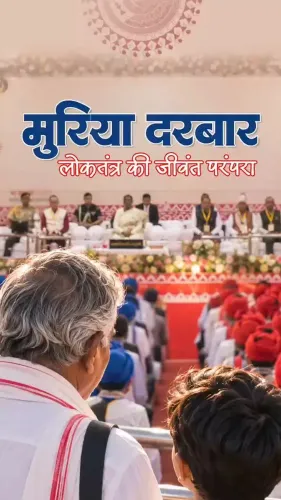
A quiet but pointed gesture toward one of India's most culturally distinct tribal belts — the Chhattisgarh government under Chief Minister Vishnu Deo Sai has announced a significant increase in the monthly honoraria paid to Manjhi and Chalki, the traditional functionaries who anchor the cultural and customary life of Bastar's tribal communities.
According to a post shared by the Chief Minister's Office of Chhattisgarh on October 26, 2026, the monthly honorarium for the Manjhi role has been raised from ₹2,000 to ₹5,000 — a jump of 150 percent. The Chalki's monthly stipend moves from ₹1,500 to ₹3,500, a rise of nearly 133 percent. The CMO described the decision as a pledge of the 'Sushasan Sarkar' (sushasan sarkar — good governance government) to preserve Bastar's cultural heritage and traditions.
Who Are the Manjhi and Chalki of Bastar?
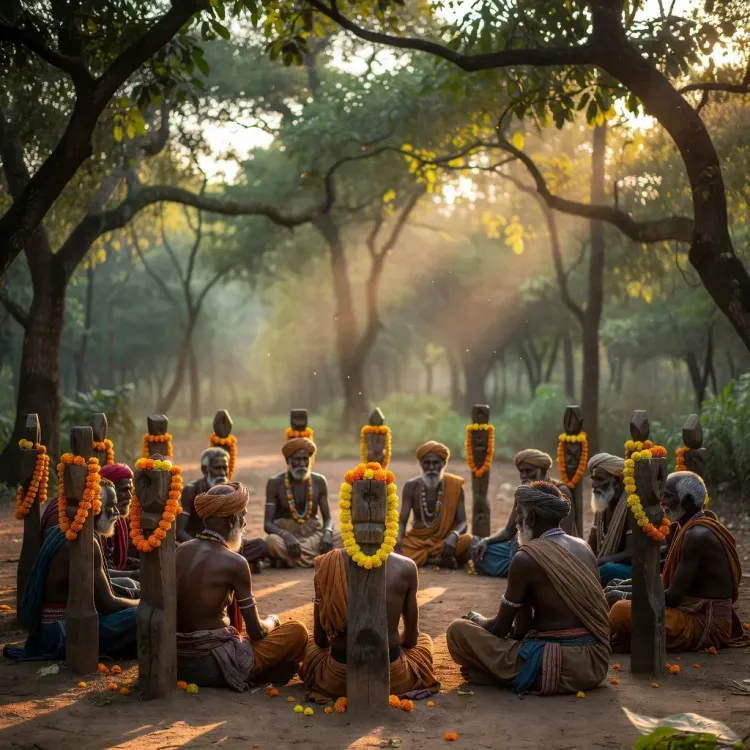
Bastar, a vast forested region in southern Chhattisgarh, is home to tribal communities whose social and ceremonial order rests on designated custodians of custom. The Manjhi and Chalki occupy hereditary or community-recognised roles in this structure, serving as stewards of local rites, dispute resolution, and community memory — the kind of living institution that no government circular can simply recreate once broken. Their continued function depends, in part, on whether the role carries even symbolic economic dignity.
The previous stipend levels — set at ₹2,000 and ₹1,500 respectively — had not kept pace with basic living costs, effectively making these custodial roles economically untenable for younger generations to sustain. The revision attempts to close that gap.
Bastar's Long Cultural Stakes
Bastar is not simply a geographic designation — it is a cultural argument. The region's traditions, most visibly on display during the Bastar Dussehra festival, one of the longest-running tribal festivals in the world, represent a living heritage that successive state governments have claimed to protect. Chhattisgarh administrations have periodically adjusted financial support for these indigenous roles, but the scale of today's revision is notable: a near-doubling or more for both categories.
Chief Minister Vishnu Deo Sai, who took office in December 2023 as the BJP government's choice for the state, has leaned into tribal identity and governance as a cornerstone of his administration's political messaging. Bastar — with its complex history of security challenges and development aspirations — is a region where symbolic and substantive gestures both carry weight.
What the Revised Honoraria Signal
The revised amounts still fall short of formal wage benchmarks, but the direction is clear: the state government is staking a claim that cultural preservation is a budget priority, not an afterthought. Whether the revised stipends translate into on-ground recruitment of younger custodians, or accompany broader orders on eligibility and cultural preservation programmes, will be the real test of the commitment behind today's announcement.
For now, the Manjhi and Chalki of Bastar have a government order that finally acknowledges, in rupees, that their role is irreplaceable.
Point of View
Positioning the BJP as a custodian of Bastar's living heritage is a direct counter-narrative to opposition claims of neglect. The scale of the hike — over 130% for both roles — suggests genuine intent, but the real policy test will be whether accompanying administrative orders broaden eligibility and reach more custodians on the ground. Bastar's cultural institutions have long been underfunded; one honorarium revision, however welcome, is a down-payment, not a settlement.
NationPress
26 Oct 2026
Frequently Asked Questions
What is the new monthly honorarium for Manjhi in Bastar, Chhattisgarh?
The monthly honorarium for Manjhi in Bastar has been increased from ₹2,000 to ₹5,000 by the Chhattisgarh government under Chief Minister Vishnu Deo Sai.
What is the new monthly stipend for Chalki in Bastar?
The monthly stipend for Chalki has been raised from ₹1,500 to ₹3,500, as announced by the Chhattisgarh Chief Minister's Office on October 26, 2026.
Who are Manjhi and Chalki in Bastar?
Manjhi and Chalki are traditional community and cultural functionaries in Bastar, a tribal region of Chhattisgarh, who serve as custodians of local customs, rites, and community traditions.
What is Sushasan Sarkar in Chhattisgarh?
'Sushasan Sarkar' — meaning 'good governance government' — is the governance branding used by Chief Minister Vishnu Deo Sai's BJP-led administration in Chhattisgarh since December 2023.
Why is Bastar significant for tribal culture in India?
Bastar is a predominantly tribal region in southern Chhattisgarh known for its distinct customs, living cultural institutions, and events such as the Bastar Dussehra, considered one of the world's longest tribal festivals.