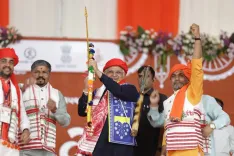
CM Sai honours Veer Narayan Singh at Janjatiya Gaurav Diwas
Synopsis
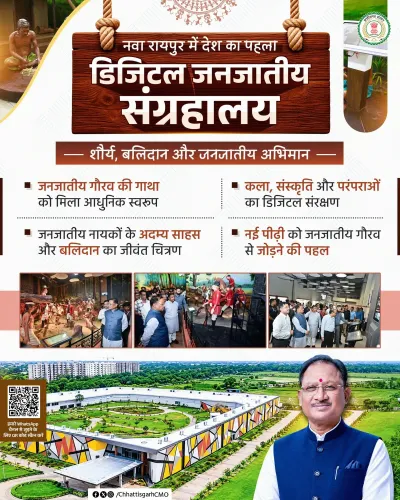
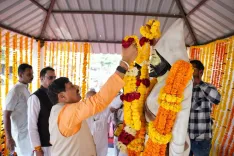
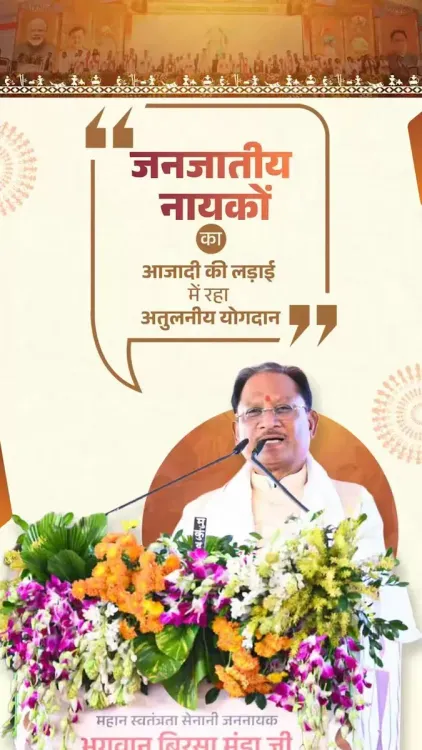
On Janjatiya Gaurav Diwas, CM Vishnu Deo Sai addressed a state ceremony in Dharamjaigarh, Raigarh, paying tribute to Shaheed Veer Narayan Singh — hanged by the British at Raipur in 1857 — and highlighting a Digital Tribal Museum in Naya Raipur that documents Chhattisgarh's tribal freedom struggles through illustrated digital exhibits.
Key Takeaways
Janjatiya Gaurav Diwas is observed every 15 November , the birth anniversary of tribal leader Birsa Munda , instituted nationally in 2021 .
Veer Narayan Singh was executed by British authorities at Jaystambh Chowk, Raipur in 1857 on charges of sedition for resisting colonial revenue policies.
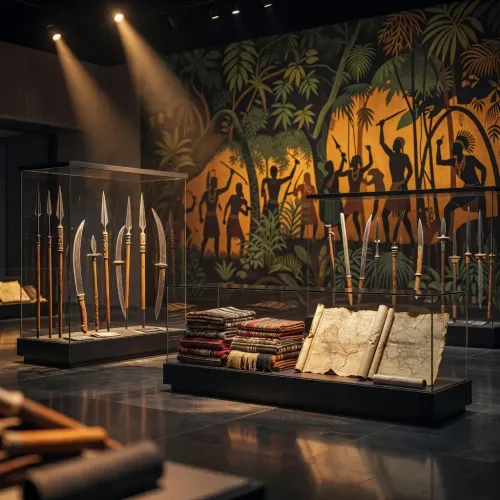
A Digital Tribal Museum has been established in Naya Raipur to document tribal revolts and heroes through illustrated digital exhibits.
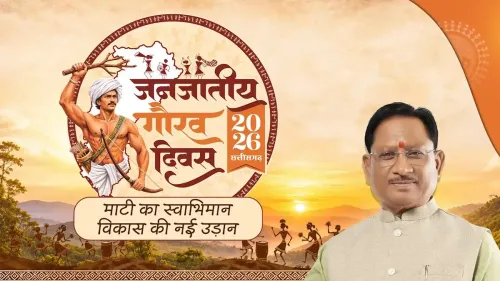
CM Vishnu Deo Sai addressed the state-level ceremony at Dashahara Maidan, Dharamjaigarh, Raigarh on 15 November 2026 .
Chhattisgarh's tribal heritage push reflects a broader national pattern of integrating Adivasi freedom histories into permanent commemorative infrastructure.
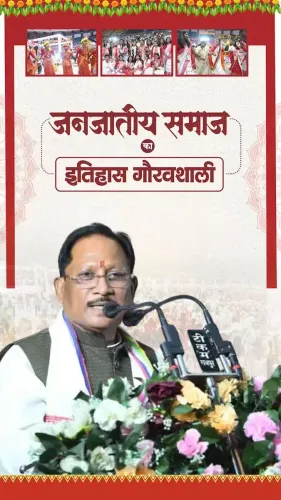
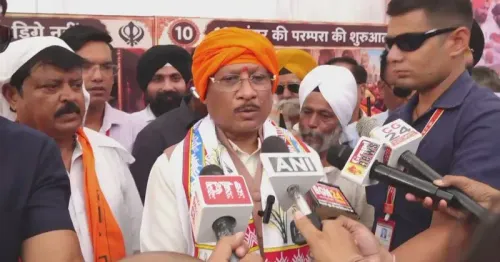
At Dashahara Maidan in Dharamjaigarh, Raigarh, on 15 November 2026, Chief Minister Vishnu Deo Sai invoked the memory of Shaheed Veer Narayan Singh — the tribal freedom fighter hanged by British colonial authorities at Raipur's Jaystambh Chowk on charges of sedition in 1857 — and highlighted a new Digital Tribal Museum in Naya Raipur built to honour Singh and Chhattisgarh's wider pantheon of tribal warriors. The occasion was Janjatiya Gaurav Diwas, the national day of tribal pride.
The martyr of Sonakhan and the charge of sedition
Veer Narayan Singh's story cuts to the heart of colonial injustice. A leader from Sonakhan in what is now Chhattisgarh, he defied British revenue policies and organised tribal resistance — acts that the colonial administration branded treasonous. His public execution at Jaystambh Chowk, Raipur made him a martyr whose name has endured for over 160 years. CM Sai described how the janjatiya samaj ke mahapurush — the great men of tribal society — played a crucial role in India's freedom struggle, one that mainstream historical accounts have too often underweighted.
A digital museum where revolts get their images back
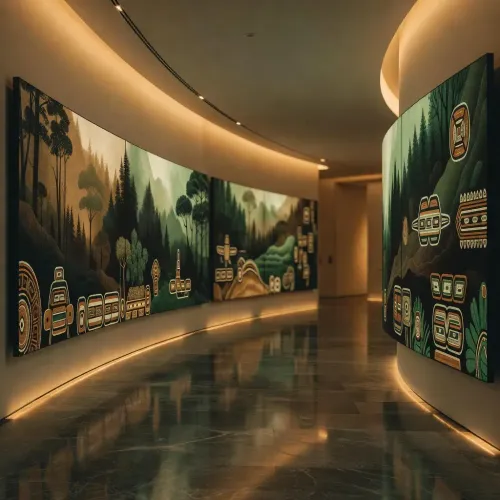
The Digital Tribal Museum at Naya Raipur is the centrepiece of Chhattisgarh's current effort to anchor that history in permanent infrastructure. The facility documents tribal revolts through illustrated digital exhibits, giving visual form to uprisings that survived largely in oral tradition. The museum commemorates both Veer Narayan Singh and the wider cohort of janjatiya veer — tribal heroes — whose resistance shaped the region through the nineteenth century.
Birsa Munda's birthday as a national frame
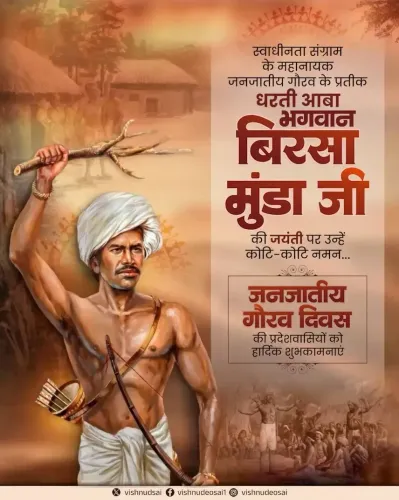
Janjatiya Gaurav Diwas falls every year on 15 November, the birth anniversary of Birsa Munda — the Munda tribal leader whose uprising against British rule in the Chota Nagpur region during the 1890s became one of the most consequential episodes of Adivasi resistance in colonial India. The Union Government instituted the observance in 2021 specifically to bring tribal contributions to the independence movement into the national calendar. States with large Scheduled Tribe populations have since built out memorials, museums, and cultural programmes anchored to the day.
Chhattisgarh fits squarely in that pattern. CM Vishnu Deo Sai, who took office in December 2023, has placed tribal heritage at the front of his government's cultural agenda. The Dharamjaigarh ceremony, the martyrdom site at Jaystambh Chowk, and the museum in Naya Raipur are three threads of a single argument: that Chhattisgarh's freedom story cannot be told without its tribal voices at the centre.
Point of View
A template other tribal-majority states are likely watching. CM Sai's pointed reference to Veer Narayan Singh's 'sedition' charge frames colonial-era suppression in language that resonates with contemporary civil liberties discourse. Whether the museum expands its mandate alongside linked development-scheme announcements will indicate whether this is heritage politics or heritage governance.
NationPress
15 Nov 2026
Frequently Asked Questions
What is Janjatiya Gaurav Diwas and why is it on 15 November?
Janjatiya Gaurav Diwas is a national observance held every 15 November to mark the birth anniversary of Birsa Munda, the tribal leader who led an uprising against British rule in the 1890s. The Union Government instituted the day in 2021 to formally recognise tribal contributions to India's freedom struggle.
Who was Veer Narayan Singh and how did he die?
Veer Narayan Singh was a 19th-century tribal leader from Sonakhan in present-day Chhattisgarh who resisted British colonial revenue policies. He was arrested on charges of sedition and publicly hanged by British authorities at Jaystambh Chowk in Raipur in 1857.
What is the Digital Tribal Museum in Naya Raipur?
The Digital Tribal Museum in Naya Raipur is a facility that documents tribal revolts and freedom fighters from Chhattisgarh through illustrated digital exhibits. It is dedicated to Shaheed Veer Narayan Singh and the broader community of tribal heroes from the region.
What did CM Vishnu Deo Sai say at Janjatiya Gaurav Diwas 2026?
Speaking at Dashahara Maidan in Dharamjaigarh, Raigarh, CM Sai highlighted the crucial role played by tribal leaders in India's freedom struggle, specifically citing the martyrdom of Veer Narayan Singh, and drew attention to the Digital Tribal Museum in Naya Raipur built to preserve their memory.
Where was Chhattisgarh's Janjatiya Gaurav Diwas 2026 event held?
The state-level Janjatiya Gaurav Diwas ceremony on 15 November 2026 was held at Dashahara Maidan in Dharamjaigarh, Raigarh district, Chhattisgarh, and was addressed by Chief Minister Vishnu Deo Sai.