CM Sai Launches Aangan Milan Seva for Child Nutrition
Synopsis
Chhattisgarh CM Vishnu Deo Sai is running the Aangan Milan Seva campaign at Anganwadi centres, combining health screenings, nutrition awareness, healthy baby contests, community feasts and toy donations to improve maternal and child health under the Seva Sankalp Abhiyan.
Key Takeaways
Aangan Milan Seva is an ongoing outreach initiative led by CM Vishnu Deo Sai at Anganwadi centres across Chhattisgarh.
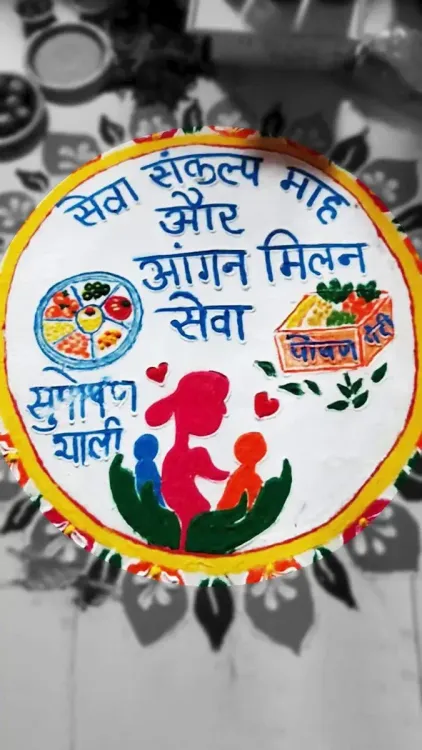
Activities include nutrition awareness , health check-ups , a healthy baby competition, community feast ( Nyota Bhoj ), Poshan Vatika kitchen gardens, and toy donation drives.
The campaign is part of the broader Seva Sankalp Abhiyan , which aims to involve every section of society in government welfare activities.
Anganwadi centres have delivered child nutrition and health services under the national ICDS framework since 1975 ; Aangan Milan Seva builds on this infrastructure.
The initiative aligns with India's POSHAN Abhiyaan (2018) , which mandates community mobilisation to reduce stunting and anaemia among children and women.
Chhattisgarh's tribal and rural demographics make sustained ground-level engagement especially critical for nutrition outcomes.
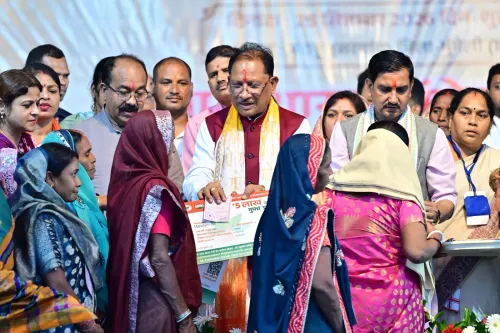
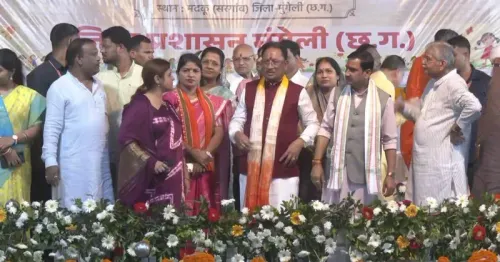
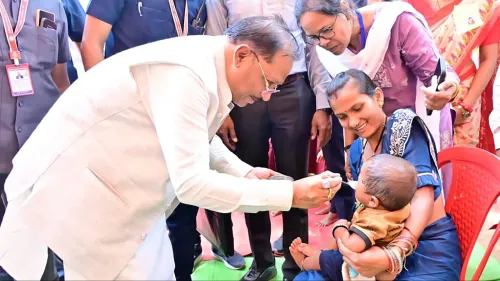
At Anganwadi centres across Chhattisgarh, a quiet but determined effort is under way — mothers gathering for health check-ups, children competing in 'healthy baby' contests, and communities sharing meals under the Aangan Milan Seva initiative. The Chief Minister's Office of Chhattisgarh announced on Saturday, 26 September 2026 that this special outreach programme, led by Chief Minister Vishnu Deo Sai, is bringing service and dialogue directly to the grassroots.
The CMO's post declared: 'स्वस्थ बचपन ही सशक्त समाज की नींव है' — 'A healthy childhood is the foundation of a strong society.' That line is not just rhetoric; it frames the entire logic of the campaign. Under the broader Seva Sankalp Abhiyan, Aangan Milan Seva is designed to pull every section of society — not just beneficiaries — into active participation.What Aangan Milan Seva actually does at the village level
The programme runs a cluster of activities simultaneously at Anganwadi centres: nutrition awareness sessions, health screenings, a healthy baby competition (Swasth Shishu Pratiyogita), community feast invitations (Nyota Bhoj), Poshan Vatika (nutrition kitchen gardens), and toy donation drives. Each element targets a different gap — the feast normalises nutritious food, the kitchen gardens build household-level food security, and the toy donations address early stimulation for cognitive development.
Anganwadi centres have been the backbone of India's child welfare architecture since the Integrated Child Development Services (ICDS) launched in 1975, delivering supplementary nutrition, immunisation support, and pre-school learning to children under six. Decades later, utilisation gaps — especially in tribal and remote belts — remain a persistent challenge. Campaigns like this one attempt to close those gaps not through new infrastructure but through community trust-building and visibility.
How Seva Sankalp Abhiyan ties into the national nutrition push
The drive sits within a larger national framework. India's POSHAN Abhiyaan, launched in 2018, set ambitious targets to reduce stunting, wasting, and anaemia among children and women, explicitly requiring state governments to mobilise communities around Anganwadi services. Chhattisgarh — with significant tribal populations in its Bastar and Surguja divisions — has always been among the states where nutritional outcomes require sustained, ground-level effort beyond programme announcements.
Chief Minister Vishnu Deo Sai, who has led the state since December 2023 under the BJP, has framed welfare delivery as central to his administration's identity. Aangan Milan Seva and the Seva Sankalp Abhiyan reflect that positioning — community participation as both a delivery mechanism and a political signal of proximity to citizens.
Who is being asked to show up — and why it matters
Crucially, the campaign explicitly calls for participation from 'samaj ke pratyek varg' — every section of society — not just mothers or Anganwadi workers. That framing is deliberate. Malnutrition and child health outcomes improve fastest when communities own the agenda, not just receive services. Toy donations, for instance, draw in local businesses and residents who have no formal role in the ICDS system.
Whether participation numbers and health screening data from this round of activities translate into measurable improvements in nutrition indicators will be the real test. The machinery is moving. Now comes the count.
Point of View
Welfare visibility at the village level carries both developmental and electoral logic, particularly ahead of any future assembly cycle. The inclusion of toy donations and community feasts signals an attempt to co-opt civil society participation rather than rely solely on state machinery. Whether this translates into sustained nutritional gains, or remains a high-visibility campaign event, will depend on systematic follow-through and transparent reporting of health screening outcomes.
NationPress
26 Sept 2026
Frequently Asked Questions
What is Aangan Milan Seva in Chhattisgarh?
Aangan Milan Seva is a special outreach programme run at Anganwadi centres across Chhattisgarh under CM Vishnu Deo Sai, combining health check-ups, nutrition awareness, healthy baby competitions, community feasts, kitchen gardens and toy donation drives to improve maternal and child health.
What is the Seva Sankalp Abhiyan?
Seva Sankalp Abhiyan is a community service campaign launched by the Chhattisgarh government to encourage public participation in welfare activities. Aangan Milan Seva operates as one of its key components, focusing on child and maternal nutrition.
What is a Poshan Vatika?
A Poshan Vatika is a nutrition kitchen garden established at or near Anganwadi centres, designed to grow vegetables and fruits locally to supplement the diet of children and mothers enrolled in the ICDS programme.
How do Anganwadi centres help with child nutrition in India?
Anganwadi centres have been delivering supplementary nutrition, health screenings, immunisation support and pre-school education to children under six and pregnant or lactating mothers since the Integrated Child Development Services (ICDS) was launched nationally in 1975.
What is POSHAN Abhiyaan and how does it relate to Chhattisgarh's campaign?
POSHAN Abhiyaan, launched by the Indian government in 2018, aims to reduce stunting, wasting and anaemia in children and women through convergent state-level action and community mobilisation. Chhattisgarh's Aangan Milan Seva directly aligns with this national mandate by activating Anganwadi infrastructure for community outreach.