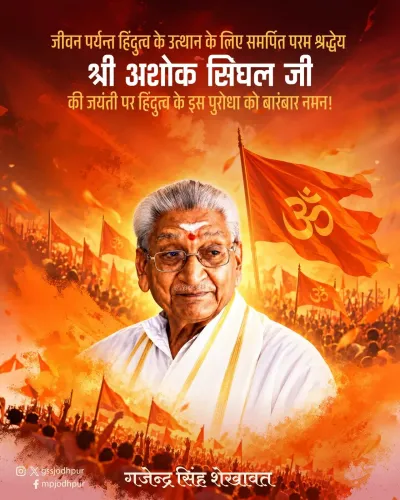
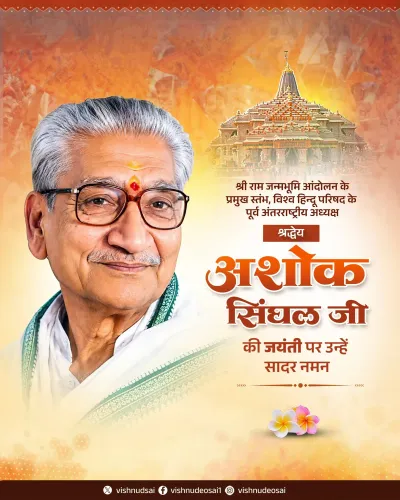
CM Sai Marks Ashok Singhal's 100th Birth Anniversary
Synopsis
Chhattisgarh CM Vishnu Deo Sai amplified PM Modi's Mann Ki Baat tribute to VHP's Ashok Singhal on his 100th birth anniversary, with Modi crediting Singhal's leadership of the Ram Janmabhoomi movement for the grand Ayodhya temple that stands today.
Key Takeaways
Ashok Singhal's 100th birth anniversary was marked on 27 September 2026 with tributes at the national level.
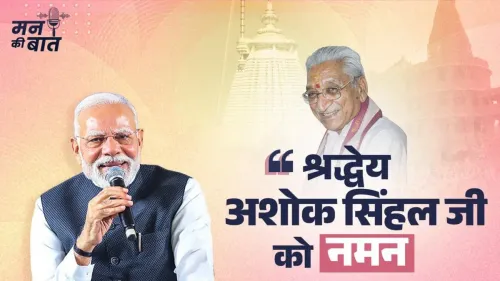
PM Narendra Modi praised Singhal during his Mann Ki Baat radio address, crediting him for giving direction and energy to the Ram Janmabhoomi movement .
CM Vishnu Deo Sai shared the PM's remarks on social media, amplifying the tribute from Chhattisgarh.
Singhal served as international working president of the Vishva Hindu Parishad , founded in 1964 .
The Supreme Court's November 2019 verdict paved the way for temple construction; the temple was inaugurated on 22 January 2024 .
BJP leaders have consistently linked the Ayodhya temple's realisation to Singhal's decades of organisational work.
A century after his birth, Ashok Singhal — the man who gave the Ram Janmabhoomi movement its organisational spine — is being remembered at the highest levels of Indian public life. Chhattisgarh Chief Minister Vishnu Deo Sai shared on Sunday, 27 September 2026, a tribute delivered by Prime Minister Narendra Modi during his Mann Ki Baat radio address, honouring Singhal on his 100th birth anniversary.
What PM Modi Said — and Why CM Sai Amplified It
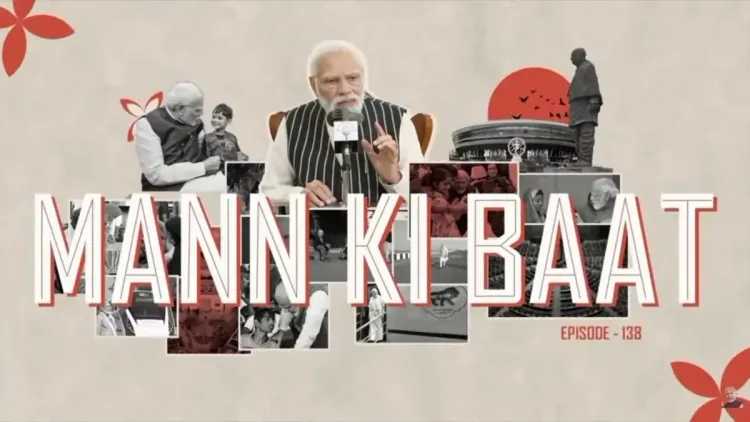
In the Mann Ki Baat address, PM Modi described Singhal as someone who 'apna poora jeevan samarpita kar diya tha' — 'dedicated his entire life' — to culture, society, and the nation. Modi directly credited Singhal's leadership of the Vishva Hindu Parishad (VHP) for shaping the Ram Janmabhoomi movement, saying the grand Ram temple now visible in Ayodhya is the direct result of the direction and energy Singhal gave to that campaign.
CM Sai's decision to carry these remarks to his own platform signals how far Singhal's legacy resonates across BJP-governed states. The tribute was not incidental — it placed the Ayodhya temple, inaugurated on 22 January 2024, as a living monument to Singhal's decades of work.
Singhal's Role in the Ram Janmabhoomi Decades
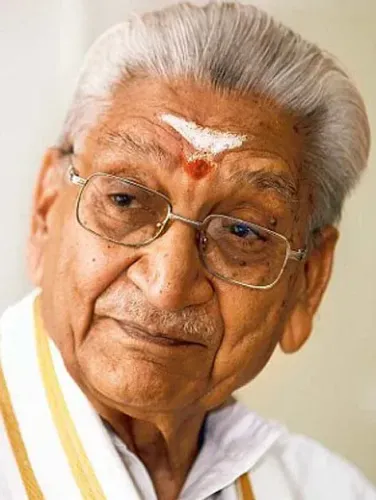
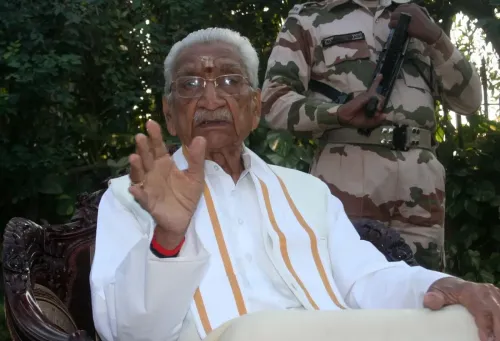
Ashok Singhal served as the international working president of the Vishva Hindu Parishad, the Hindu nationalist organisation founded in 1964 that drove temple-related mobilisation across India from the 1980s onward. Under his stewardship, the VHP transformed the Ayodhya cause from a local religious dispute into a mass movement that would consume Indian politics for the better part of three decades.
The legal arc he helped set in motion ended with the Supreme Court of India's November 2019 verdict, which cleared the way for temple construction at the disputed site. Singhal did not live to see that ruling — he passed away in 2015 — yet the Modi government's inauguration of the temple is now routinely framed as the fulfilment of his life's mission.
Ayodhya Temple as the Measure of a Movement
For the BJP and allied organisations, the Ram temple at Ayodhya is not merely a religious structure — it is the visible proof of a decades-long political and cultural promise kept. Tributes to figures like Singhal on milestone anniversaries reinforce that narrative, connecting the post-2014 political era directly to the grassroots mobilisation of the 1980s and 1990s.
CM Sai's amplification of this tribute from Raipur shows how state leaders are actively weaving the Ayodhya story into regional political discourse — keeping the momentum of the January 2024 consecration alive as a unifying symbol well into the mid-2020s.
A century on, Singhal's name is being invoked not in archives but in prime-time radio addresses and viral social posts — the movement he built has found its monument, and his centenary is the occasion to say so out loud.
Point of View
Amplified from the Prime Minister's radio address down to state chief ministers, illustrates how the BJP has institutionalised the Ram Janmabhoomi narrative as a pillar of its cultural-political identity. By publicly connecting Singhal's legacy to the inaugurated Ayodhya temple, leaders are cementing a cause-and-effect story: movement, court verdict, consecration. The pattern of such tributes appearing in flagship outreach formats like Mann Ki Baat suggests this is a deliberate effort to keep the Ayodhya achievement politically salient beyond its January 2024 peak. For state leaders like CM Sai, echoing the Prime Minister's framing strengthens alignment with the central BJP narrative heading into the second half of the decade.
NationPress
27 Sept 2026
Frequently Asked Questions
Who was Ashok Singhal and why is he remembered?
Ashok Singhal was the former international working president of the Vishva Hindu Parishad who played a leading organisational role in the Ram Janmabhoomi movement from the 1980s onward. He is remembered for mobilising mass support for the Ram temple cause in Ayodhya, a movement that eventually led to the Supreme Court's 2019 verdict and the temple's inauguration in January 2024.
What did PM Modi say about Ashok Singhal in Mann Ki Baat?
PM Modi said that Singhal dedicated his entire life to culture, society, and the nation, and credited the direction and energy Singhal gave to the Ram Janmabhoomi movement as the reason the grand Ram temple in Ayodhya stands today.
Why did Chhattisgarh CM Vishnu Deo Sai share the Mann Ki Baat tribute?
CM Vishnu Deo Sai shared PM Modi's remarks to amplify the tribute to Ashok Singhal on his 100th birth anniversary, aligning the Chhattisgarh government's public messaging with the BJP's broader cultural commemoration of the Ram Janmabhoomi movement's key figures.
When was the Ayodhya Ram temple inaugurated?
The Ram temple at Ayodhya was inaugurated on 22 January 2024 in the presence of Prime Minister Narendra Modi, following the Supreme Court of India's verdict in November 2019 that permitted construction at the disputed site.
What is the Vishva Hindu Parishad (VHP)?
The Vishva Hindu Parishad is a Hindu nationalist organisation founded in 1964 that has focused on cultural and religious mobilisation, including the decades-long campaign for the Ram temple in Ayodhya. Ashok Singhal served as its international working president.