CM Vishnu Deo Sai Leads Janjatiya Gaurav Diwas in Bilaspur
Synopsis
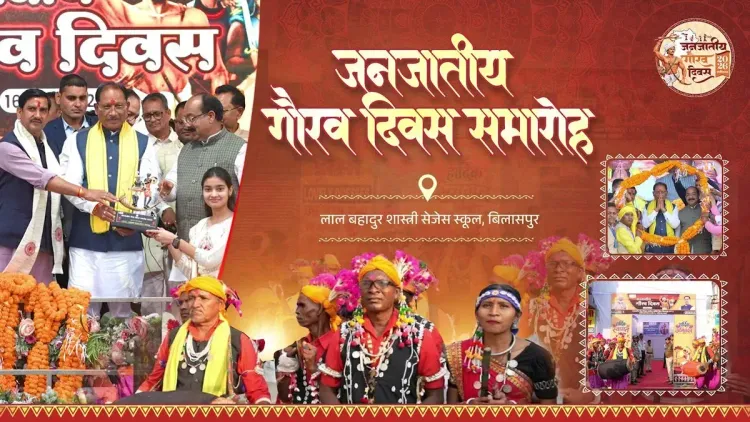
Chhattisgarh Chief Minister Vishnu Deo Sai led Janjatiya Gaurav Diwas celebrations in Bilaspur on 17 November 2026, honoring tribal valor and pledging state commitment to the honor, upliftment, and future of tribal communities across the state.
Key Takeaways
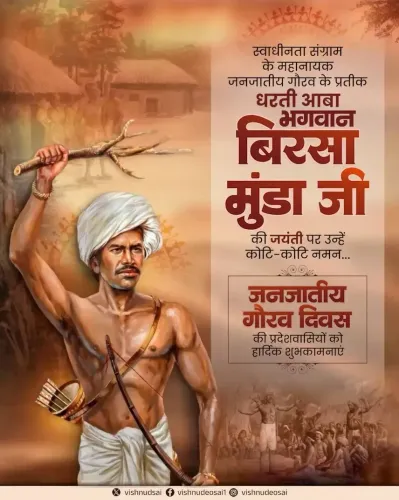
Janjatiya Gaurav Diwas is observed annually on 15 November , the birth anniversary of tribal freedom fighter Bhagwan Birsa Munda .
The Government of India formally instituted the observance in 2021 to recognize tribal contributions to India's freedom struggle.
Bilaspur , a major city in Chhattisgarh, hosted the state-level event on 17 November 2026 .
CM Vishnu Deo Sai , himself from a tribal background, reaffirmed the state government's pledge to tribal honor, upliftment, and cultural preservation.
Chhattisgarh hosts a large Scheduled Tribe population, giving the observance significant social and political weight in the state.
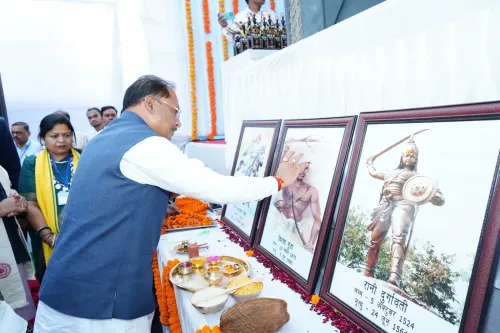
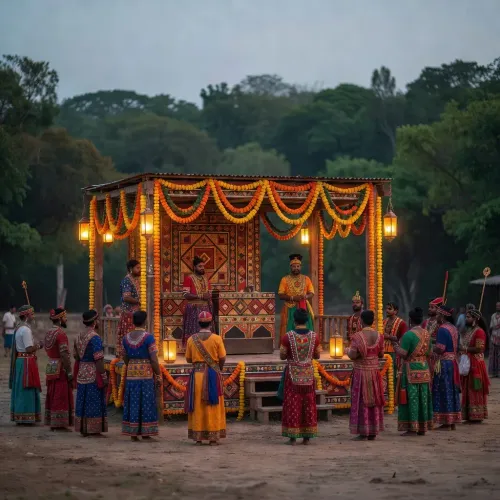
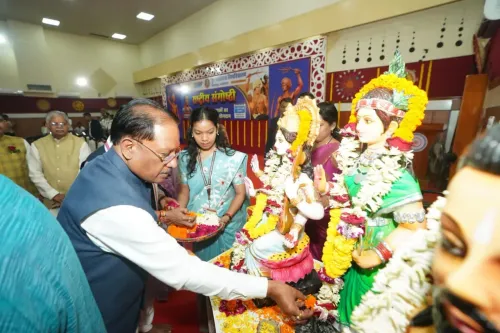
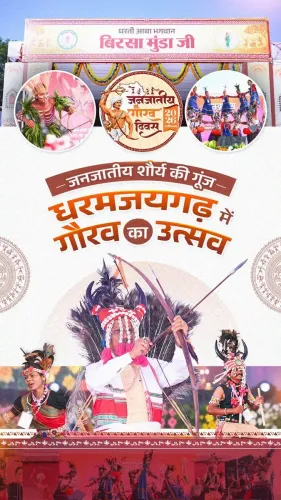
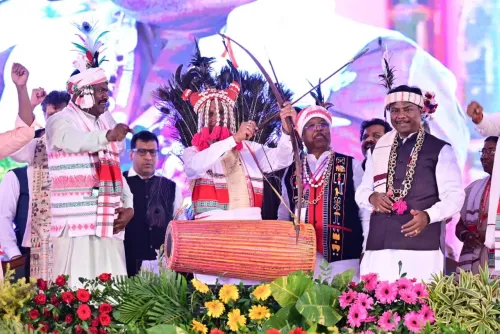
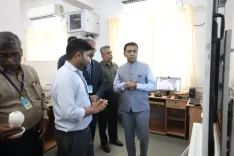
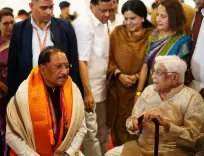
Tribal valor, sacrifice, and centuries of living tradition took center stage in Bilaspur on Tuesday, 17 November 2026, as Chhattisgarh Chief Minister Vishnu Deo Sai led the state's Janjatiya Gaurav Diwas celebrations and renewed his government's pledge to protect and elevate tribal heritage.
Posting in Hindi, CM Sai wrote: 'हमारे जनजातीय समाज का इतिहास शौर्य, बलिदान और गौरवशाली परंपराओं की अमूल्य धरोहर है' — 'The history of our tribal society is a priceless treasure of valor, sacrifice, and glorious traditions.' He described the Bilaspur event as a 'sacred occasion to pay homage to the rich culture and the courage and sacrifice of the great heroes of tribal society.'
Birsa Munda's Birth Anniversary and a National Observance
Janjatiya Gaurav Diwas falls on 15 November every year — the birth anniversary of tribal freedom fighter Bhagwan Birsa Munda. The Government of India formally instituted the observance in 2021 to honor tribal freedom fighters and spotlight their role in India's independence movement. Since then, state governments have held their own ceremonies aligned with the national calendar, with Chhattisgarh — home to one of the country's largest Scheduled Tribe populations — emerging as a prominent host.
Bilaspur, a major urban and administrative hub in the state, provided the backdrop for this year's event. The choice of a prominent city signals the state government's intent to bring tribal heritage into mainstream civic spaces, not confine it to forest-district observances alone.
Chhattisgarh's Tribal Identity and the BJP's Cultural Push
Chhattisgarh's tribal communities make up a substantial share of the state's population, giving events like this both cultural weight and clear political resonance. Under CM Vishnu Deo Sai — himself from a tribal background — the state government has consistently linked ceremonial occasions to a broader welfare and cultural-preservation agenda.
Nationally, BJP-governed states have used Janjatiya Gaurav Diwas as a platform to announce or reaffirm schemes touching education, livelihoods, and cultural documentation for tribal communities. The pattern frames tribal history not as a footnote to India's story, but as one of its founding chapters.
CM Sai closed his post with a firm commitment: 'हम जनजातीय समाज के सम्मान, उत्थान और उज्ज्वल भविष्य के लिए निरंतर संकल्पित हैं' — 'We remain continuously committed to the honor, upliftment, and bright future of tribal society.' The word sankalpit — pledged, resolved — is deliberate. It is governance language, not just ceremony.
As Janjatiya Gaurav Diwas matures into a fixture of India's official calendar, the real measure will be whether the tributes translate into budget lines and policy outcomes that tribal communities can point to by the next anniversary.
Point of View
With its large ST population and a Chief Minister from a tribal community, sits at the center of that effort. CM Sai's participation in a city-level event in Bilaspur, rather than a purely symbolic gesture, reflects a deliberate attempt to mainstream tribal identity within urban civic culture. The language of sankalp — firm resolve — signals that the government wants the day associated with actionable commitment, not just ceremony. The critical test will come in state budget allocations and welfare scheme outcomes that tribal communities can measure against those promises.
NationPress
17 Nov 2026
Frequently Asked Questions
What is Janjatiya Gaurav Diwas and when is it celebrated?
Janjatiya Gaurav Diwas is an annual national observance held on 15 November to honor tribal heritage, valor, and the contributions of tribal freedom fighters to India's independence. It marks the birth anniversary of Bhagwan Birsa Munda and was formally instituted by the Government of India in 2021 .
Why did Chhattisgarh celebrate Janjatiya Gaurav Diwas in Bilaspur?
Bilaspur is one of Chhattisgarh's major cities and was chosen as the venue for the state-level Janjatiya Gaurav Diwas event in 2026 , reflecting the government's intent to bring tribal cultural celebrations into prominent urban spaces.
What did CM Vishnu Deo Sai say at the Janjatiya Gaurav Diwas event?
CM Vishnu Deo Sai described the tribal community's history as 'a priceless treasure of valor, sacrifice, and glorious traditions' and reaffirmed the state government's continuous commitment to the 'honor, upliftment, and bright future of tribal society.'
Is Vishnu Deo Sai from a tribal community?
Yes, Vishnu Deo Sai , Chief Minister of Chhattisgarh, comes from a tribal background, which lends additional significance to his leadership of events such as Janjatiya Gaurav Diwas .
How large is the tribal population in Chhattisgarh?
Chhattisgarh has one of the largest Scheduled Tribe populations in India, making tribal welfare and cultural preservation a central concern of state governance and policy.