CM Sai meets CREDA chief, reviews renewable energy push
Synopsis
Chhattisgarh Chief Minister Vishnu Deo Sai held a courtesy meeting with CREDA Chairman Bhupendra Sawanni on 23 June 2026, reviewing ongoing renewable energy projects and exploring future possibilities for the coal-rich but renewables-ambitious state.
Key Takeaways
CM Vishnu Deo Sai met CREDA Chairman Bhupendra Sawanni on 23 June 2026 for a review of the state's renewable energy sector.
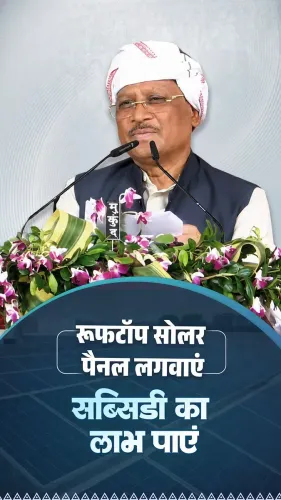
CREDA is Chhattisgarh's nodal agency for solar, biomass and micro-hydel projects, including rural electrification and rooftop solar programmes.
Discussions covered both ongoing renewable energy works and future possibilities in the sector, according to the Chief Minister's post.
Chhattisgarh's Renewable Energy Policy 2017 and India's National Solar Mission form the policy backbone for CREDA's activities.
India's national target of 500 GW non-fossil capacity by 2030 adds urgency to state-level renewable expansion in coal-dependent states like Chhattisgarh.
New project announcements or policy revisions may follow from this high-level engagement.
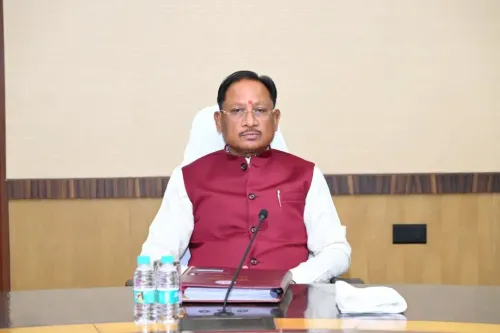
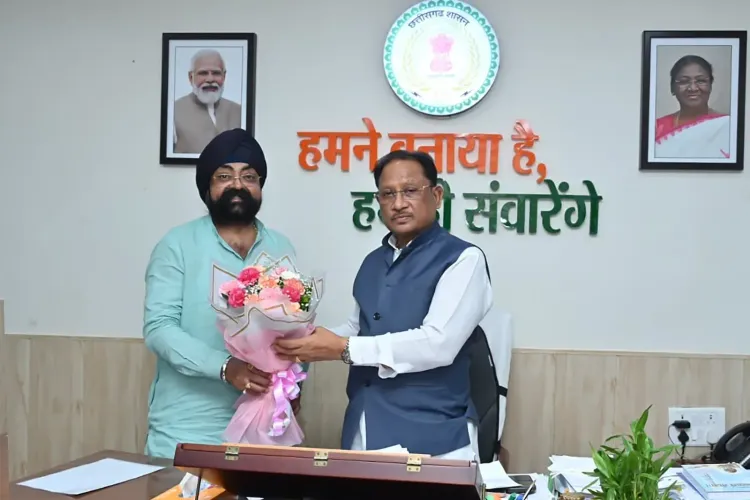
Chhattisgarh Chief Minister Vishnu Deo Sai met Bhupendra Sawanni, Chairman of the Chhattisgarh State Renewable Energy Development Agency (CREDA), on Tuesday, 23 June 2026, for a courtesy call that turned into a substantive discussion on the state's ongoing and future renewable energy initiatives.
Sharing the meeting on X, CM Sai wrote: 'छत्तीसगढ़ राज्य अक्षय ऊर्जा विकास अभिकरण (क्रेडा) के अध्यक्ष श्री भूपेंद्र सवन्नी जी से सौजन्य भेंट हुई।' ['Had a courtesy meeting with Shri Bhupendra Sawanni, Chairman of the Chhattisgarh State Renewable Energy Development Agency (CREDA).'] He added that the occasion was used for 'meaningful discussions on the various ongoing works in the renewable energy sector in the state and future possibilities.'
Context
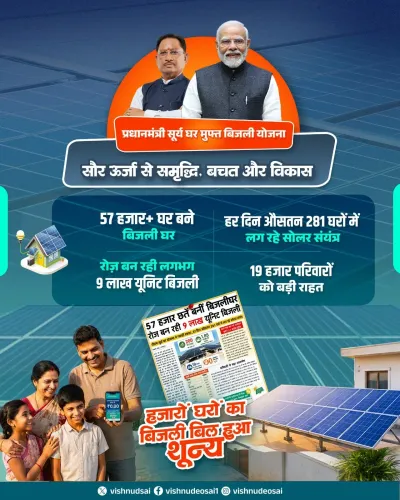
CREDA is the nodal state agency responsible for promoting, developing and implementing renewable energy projects — including solar, biomass and micro-hydel — across Chhattisgarh. The agency operates under state government oversight and has been central to rolling out rooftop solar programmes, solar parks and rural electrification schemes. The meeting signals that the BJP-led state government, which took office in December 2023 under CM Sai, is actively reviewing the renewable energy pipeline at the highest level.
Policy Backdrop
Chhattisgarh occupies a paradoxical position in India's energy landscape: it is one of the country's largest coal-producing states, yet it has simultaneously pursued renewable capacity expansion. The Chhattisgarh Renewable Energy Policy 2017 set out targets for solar, wind and biomass capacity with incentives for private developers, while India's National Solar Mission — launched in 2010 and revised in 2015 — provided the overarching federal framework within which agencies like CREDA operate. India's national commitment to achieve 500 GW of non-fossil fuel capacity by 2030 and net-zero emissions by 2070 has added urgency to state-level renewable programmes.
Stakeholders and Impact
The primary beneficiaries of CREDA's programmes include rural households that gain access to reliable, clean electricity through off-grid solar installations, as well as private renewable energy developers seeking state-facilitated project clearances and land allocation. Coal-dependent districts in Chhattisgarh also have a stake in how the state manages its energy transition, balancing new renewable investments against existing livelihoods tied to the coal economy. A high-level review meeting of this nature typically precedes decisions on project allocations, policy revisions or budget priorities.
What's Next
Observers will watch for concrete announcements emerging from this engagement — including any new CREDA-led solar or hybrid energy projects, revisions to the state's renewable energy policy, or allocations in the next state budget. The broader trajectory of Chhattisgarh's energy mix — and how aggressively it scales non-fossil capacity while managing coal-sector employment — will be shaped by the direction set in consultations such as this one.
Frequently Asked Questions
What is CREDA in Chhattisgarh?
CREDA stands for the Chhattisgarh State Renewable Energy Development Agency. It is the state government's nodal body for promoting and implementing renewable energy projects — including solar, biomass and micro-hydel — across Chhattisgarh.
Who is Bhupendra Sawanni?
Bhupendra Sawanni is the Chairman of CREDA, the Chhattisgarh State Renewable Energy Development Agency, responsible for overseeing the state's renewable energy development programmes.
What did CM Vishnu Deo Sai discuss with CREDA chief?
Chief Minister Vishnu Deo Sai discussed ongoing renewable energy projects in Chhattisgarh and future possibilities in the sector during his meeting with CREDA Chairman Bhupendra Sawanni on 23 June 2026.
What is Chhattisgarh's renewable energy policy?
The Chhattisgarh Renewable Energy Policy 2017 sets out targets for solar, wind and biomass capacity addition in the state, offering incentives for private developers and forming the backbone of CREDA's project activities.
Is Chhattisgarh moving towards clean energy despite being a coal state?
Yes. Although Chhattisgarh is one of India's largest coal-producing states, it has simultaneously expanded renewable energy capacity through CREDA, in line with India's national target of 500 GW of non-fossil fuel capacity by 2030.