Puri Reviews Central Scheme Delivery in Dibrugarh, Tinsukia
Synopsis
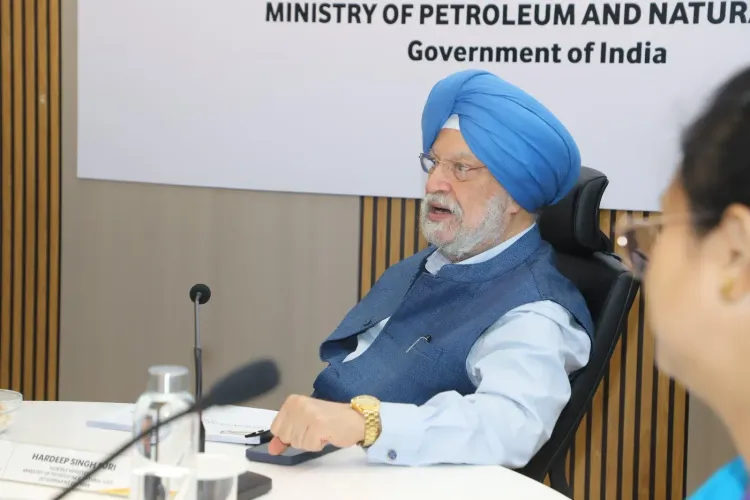
Union Petroleum Minister Hardeep Singh Puri reviewed Central Government scheme delivery with District Commissioners of Dibrugarh and Tinsukia on 23 June 2026, stressing faster development, stronger infrastructure, and Upper Assam's potential as an energy and economic hub.
Key Takeaways
Hardeep Singh Puri held a review meeting with District Commissioners of Dibrugarh and Tinsukia on 23 June 2026 .
Discussions focused on fast-tracking Central Government scheme implementation and improving service delivery in Upper Assam .
The region is being positioned as a hub for energy and economic growth, with Oil India Limited headquartered in nearby Duliajan as a key stakeholder.
The meeting aligns with the Hydrocarbon Vision 2030 for North East India and the Act East Policy frameworks driving Union investment in the Northeast.
Both Prime Minister Narendra Modi and Assam CM Himanta Biswa Sarma were credited by Puri for the state's development momentum.
Follow-up action may include Petroleum Ministry announcements on new exploration blocks or pipeline projects in Upper Assam .
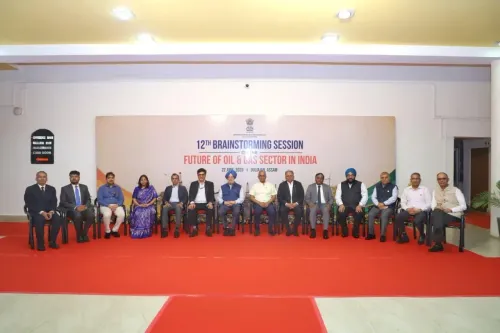
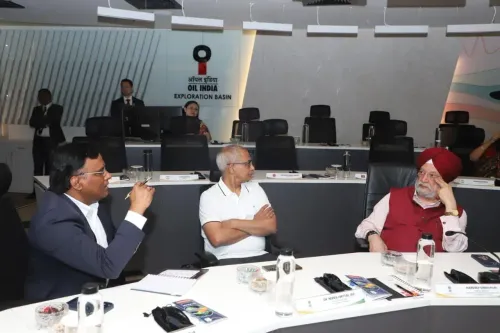
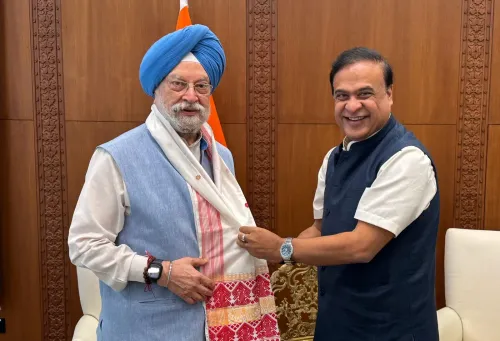
Union Petroleum Minister Hardeep Singh Puri on Tuesday, 23 June 2026, held a review meeting with District Commissioners of Dibrugarh and Tinsukia in Upper Assam, focusing on the on-ground implementation of Central Government schemes and the region's potential as an energy and economic hub.
Context
The meeting, described by the Minister as 'fruitful', brought together district-level administrators to assess how centrally-sponsored programmes are being delivered to communities in two of Assam's most strategically important districts. Both Dibrugarh and Tinsukia sit at the heart of India's northeastern petroleum corridor, hosting major oil and gas operations that are critical to national energy security.
Puri noted that discussions covered measures to 'fast-track development, strengthen infrastructure, improve service delivery, and unlock the region's immense potential as a hub for energy and economic growth.' The engagement signals a pattern of direct Union ministerial oversight aimed at closing implementation gaps at the district level.
Policy Backdrop
The review is rooted in a broader federal push to accelerate development in India's Northeast. The Hydrocarbon Vision 2030 for North East India, released in 2016, laid out an ambitious roadmap to expand exploration, production, and energy infrastructure specifically in Assam's oil-bearing districts — a vision that subsequent governments have continued to advance.
The Act East Policy, upgraded in 2014 under Prime Minister Narendra Modi, further positioned Assam's energy resources as central to regional connectivity and economic integration with Southeast Asia. Since then, Union ministries have intensified coordination with northeastern state governments to accelerate scheme delivery in both infrastructure and hydrocarbons. Oil India Limited, headquartered in Duliajan, Assam, remains a key public sector partner in these efforts, with its exploration and production activities spanning both districts.
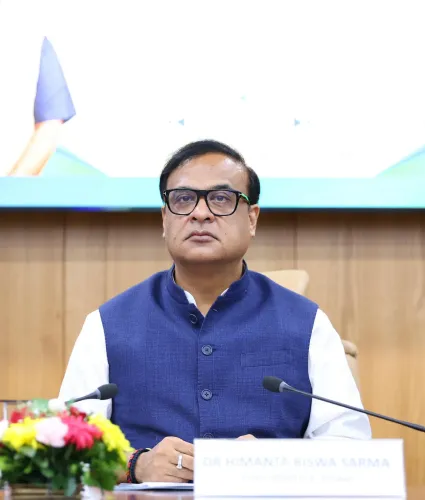
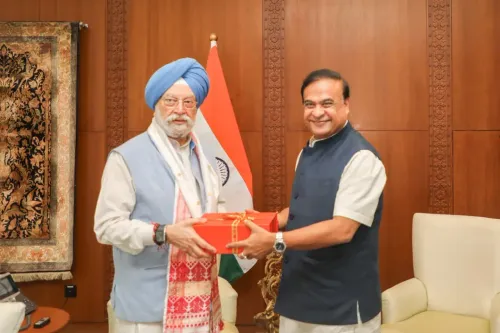
Puri also acknowledged the developmental momentum underway in the state, attributing it to the leadership of Prime Minister Narendra Modi and Assam Chief Minister Himanta Biswa Sarma, who has overseen state-level implementation of central schemes since 2021.
Stakeholders and Impact
The communities of Upper Assam stand to be the most immediate beneficiaries of improved scheme delivery. District administrations in Dibrugarh and Tinsukia are the primary execution machinery for welfare programmes ranging from housing and road connectivity to energy access initiatives.
For the oil and gas sector, which employs a significant workforce across both districts, stronger infrastructure and streamlined service delivery can reduce operational friction and attract further investment. Oil India Limited's ongoing operations in the region make it a direct stakeholder in any policy decisions emerging from such reviews.
The broader northeastern economy also has a stake: Assam's energy corridor is increasingly seen as a gateway for regional trade and connectivity, and any acceleration in infrastructure development could have multiplier effects across neighbouring states.
What's Next
Follow-up action from the Ministry of Petroleum and Natural Gas is expected in the form of district progress reports and, potentially, announcements on new exploration blocks or pipeline projects in Upper Assam. The involvement of @PulokGohain and @PrasantaPhukan_ — tagged in the Minister's post — suggests local political and administrative stakeholders are being kept in the loop on implementation timelines.
With the Union government maintaining a close watch on scheme delivery in the Northeast, such review meetings are likely to become more frequent as the Hydrocarbon Vision 2030 deadline approaches and pressure mounts to demonstrate tangible outcomes on the ground in Dibrugarh and Tinsukia.
Point of View
The Petroleum Ministry is compressing the feedback loop between policy design and ground-level execution — a pattern that has become a hallmark of the Modi government's northeastern outreach. The dual framing of Dibrugarh and Tinsukia as both welfare-delivery zones and energy-growth hubs reflects a deliberate political economy: development optics reinforced by hard infrastructure logic. With the Hydrocarbon Vision 2030 deadline within sight, such meetings will increasingly serve as accountability checkpoints — and as political capital ahead of any state-level electoral cycle in Assam.
NationPress
23 Jun 2026
Frequently Asked Questions
Why did Hardeep Singh Puri visit Dibrugarh and Tinsukia?
Hardeep Singh Puri held a review meeting with District Commissioners of Dibrugarh and Tinsukia on 23 June 2026 to assess the implementation of Central Government schemes and discuss measures to accelerate development and infrastructure in Upper Assam.
What is the significance of Dibrugarh and Tinsukia for India's energy sector?
Dibrugarh and Tinsukia are located in Upper Assam's petroleum corridor, hosting major oil and gas operations. Oil India Limited, a key public sector undertaking, is headquartered in nearby Duliajan and operates extensively across both districts.
What is the Hydrocarbon Vision 2030 for North East India?
The Hydrocarbon Vision 2030 for North East India, released in 2016, is a policy roadmap to expand oil and gas exploration, production, and infrastructure in Assam and neighbouring northeastern states, with Dibrugarh and Tinsukia among the key focus districts.
What schemes were discussed in Puri's Assam review meeting?
The meeting focused on the implementation of Central Government schemes broadly, with discussions on fast-tracking development, strengthening infrastructure, and improving service delivery. Specific scheme names from the 23 June 2026 meeting have not been officially disclosed.
What is Himanta Biswa Sarma's role in Assam's development push?
Himanta Biswa Sarma has served as Chief Minister of Assam since 2021 and oversees state-level implementation of central schemes, including those related to infrastructure and energy development in districts like Dibrugarh and Tinsukia.