Puri Holds 12th Energy Brainstorm in Assam, Eyes NE Hydrocarbon Push
Synopsis
Union Petroleum Minister Hardeep Singh Puri held the 12th MoPNG Brainstorming Session in Duliajan, Assam, on 22 June 2026, covering E&P strategy for Assam and Nagaland, gas market reforms targeting 2030, refinery efficiency, and next-generation biofuels to advance India's energy security and green transition.
Key Takeaways
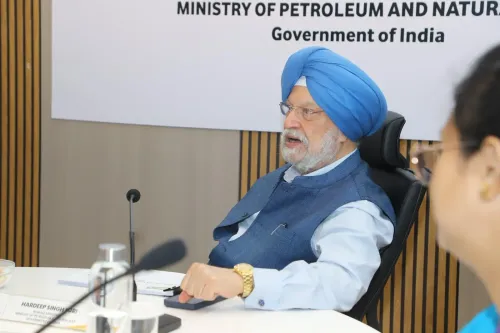
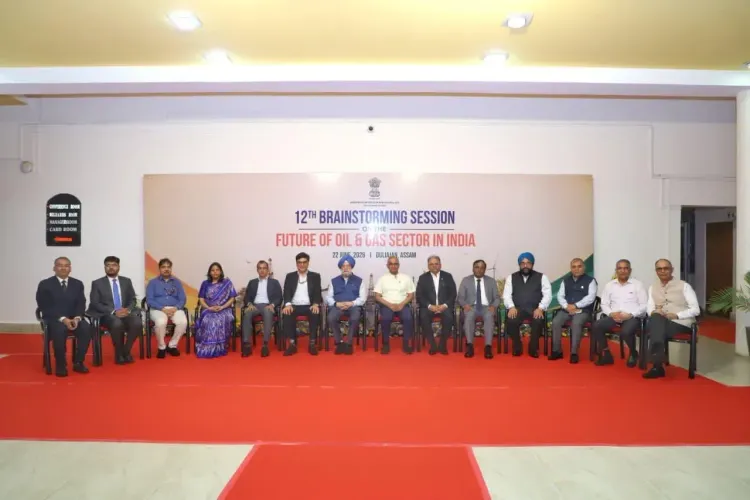
The 12th Brainstorming Session of MoPNG was held in Duliajan, Assam on 22 June 2026 , chaired by Union Petroleum Minister Hardeep Singh Puri .
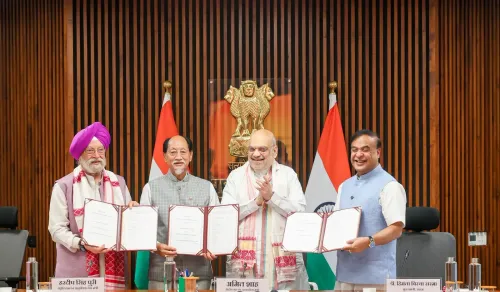
A recently signed tripartite MoU covering hydrocarbon blocks in Assam and Nagaland was discussed, with focus on its implementation roadmap.
The session reviewed reforms needed to build a 'competitive and integrated natural gas market by 2030 .' Measures to enhance efficiency of refineries and related energy infrastructure were also on the agenda.
Discussions covered adoption of next-generation biofuels as part of India's green energy transition and energy security strategy.
Leaders of major energy PSUs — including ONGC , OIL , BPCL , HPCL , Indian Oil , GAIL , and NRL — participated in the session.
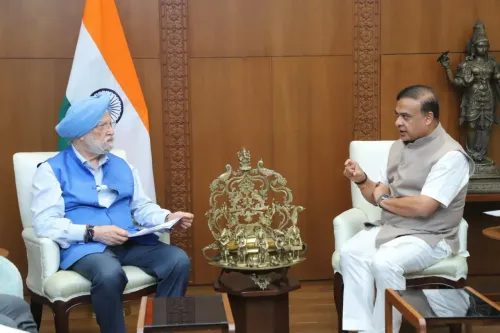
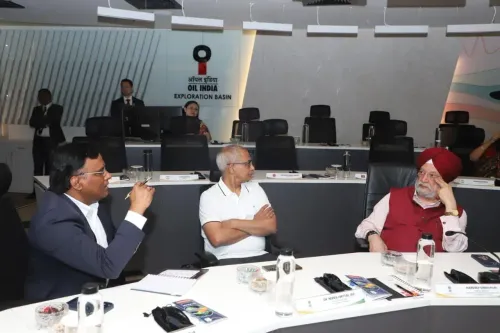
Union Petroleum Minister Hardeep Singh Puri chaired the 12th Brainstorming Session of the Ministry of Petroleum and Natural Gas in Duliajan, Assam, on Monday, 22 June 2026, bringing together senior ministry officials and the leadership of India's major energy public sector undertakings to chart a course for strengthening the country's energy sector.
The session deliberated on the exploration and production (E&P) strategy for Assam and Nagaland, including the implementation roadmap tied to a recently signed tripartite memorandum of understanding covering hydrocarbon blocks in both states. Minister Puri noted that once the activities under the MoU become operational, they are expected to 'unlock the hydrocarbon potential' of the region, boost economic activity across the North East, and generate 'significant direct and indirect employment opportunities for local youth.'
Context
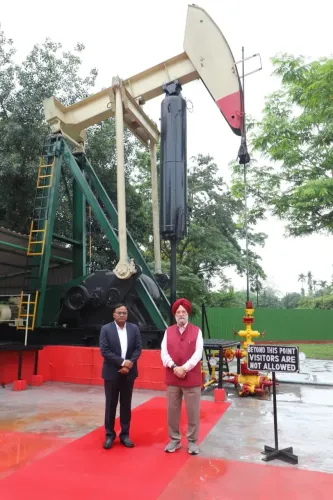
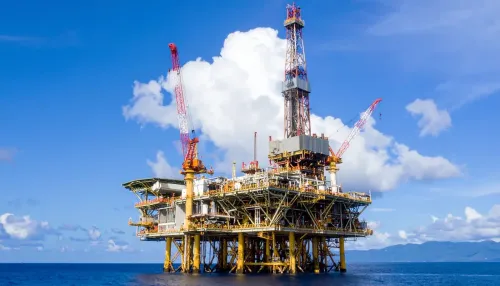
Duliajan is the headquarters of Oil India Limited (OIL), one of India's oldest upstream hydrocarbon companies and a key stakeholder in Northeastern exploration. The choice of venue underscores the region's centrality to India's domestic production ambitions. The North East has historically hosted some of India's earliest oilfields, yet large swathes of its sedimentary basins remain underexplored, presenting a significant opportunity for incremental domestic output.
The brainstorming series, now in its 12th edition, has been a recurring mechanism under the ministry to align PSU leadership with central policy priorities. Participants at the Duliajan session included leaders from ONGC, BPCL, HPCL, Indian Oil, GAIL India, NRL, Petronet LNG, IGL, Engineers India Limited, and regulatory bodies PPAC and DGHI.
Policy Backdrop
The discussions in Duliajan sit within a broader policy architecture that includes the Hydrocarbon Exploration and Licensing Policy (HELP), introduced in 2016, which sought to simplify upstream regulation and attract private and foreign investment into frontier basins. The North East, with its complex geology and logistical challenges, has been a target of this policy since its inception.
On the gas market side, the ministry reviewed 'legislative, regulatory and institutional reforms' required to build a 'future-ready, competitive and integrated natural gas market by 2030.' This aligns with India's longer-term ambition to raise the share of natural gas in its primary energy mix. Separately, the session examined measures to enhance the efficiency of refineries and related energy infrastructure — a recurring priority given the throughput pressures on India's refining network.
The green energy agenda featured prominently as well. Discussions covered 'pathways for adoption of next-generation biofuels,' building on the National Policy on Biofuels enacted in 2018 and India's commitment to net-zero emissions by 2070, announced at COP26 in 2021. Advanced biofuels are increasingly viewed as a bridge technology that can strengthen energy security while reducing the carbon intensity of the transport and industrial sectors.
Stakeholders and Impact
The most direct beneficiaries of an accelerated E&P push in Assam and Nagaland would be local communities and youth, who stand to gain from upstream employment in drilling, logistics, and ancillary services. State governments in both states — represented in the session's outreach through Chief Ministers Himanta Biswa Sarma of Assam and Neiphiu Rio of Nagaland — have a strong interest in royalty revenues and surface-level economic activity that accompany hydrocarbon development.
For the energy PSUs, clarity on the tripartite MoU's implementation roadmap is critical to unlocking capital allocation decisions. OIL and ONGC, which together hold the bulk of acreage in the region, stand to be the primary upstream operators. Downstream companies such as NRL (Numaligarh Refinery Limited) would benefit from increased feedstock availability closer to home, reducing logistics costs.
What's Next
The immediate watch point is the operationalisation of the tripartite MoU covering blocks in Assam and Nagaland. Ground-level exploration activity, environmental clearances, and community engagement processes will determine the pace at which the 'hydrocarbon potential' referenced by the minister translates into measurable output. On the regulatory front, any legislative proposals emerging from the gas market reform discussions would need to navigate Parliament before the 2030 target becomes actionable. The ministry's next steps on biofuel adoption pathways — including blending mandates or production incentives — will also be closely tracked by the energy sector.
Point of View
Using the tripartite MoU as an institutional anchor for inter-state coordination. Holding the brainstorming session at Oil India's home base rather than in Delhi carries symbolic weight — it projects central government commitment to the region ahead of state-level political cycles in both Assam and Nagaland. The dual focus on a gas market reform roadmap for 2030 and next-generation biofuels also reflects the ministry's attempt to hold two narratives simultaneously: near-term fossil fuel expansion to secure supply, and a credible green transition story for international audiences. Whether the legislative and regulatory proposals discussed translate into tabled bills before the 2030 target will be the real test of this session's durability.
NationPress
21 Sept 2026
Frequently Asked Questions
What was discussed at the 12th MoPNG Brainstorming Session in Duliajan?
The session covered the E&P strategy for Assam and Nagaland under a recently signed tripartite MoU, gas market reforms targeting 2030, refinery efficiency improvements, and pathways for next-generation biofuel adoption.
What is the tripartite MoU for Assam and Nagaland oil and gas?
The tripartite MoU is a recently signed agreement involving the central government and the state governments of Assam and Nagaland aimed at operationalising hydrocarbon exploration and production in blocks across both states. Specific signatories and full terms are yet to be publicly detailed.
Why was the energy brainstorming session held in Duliajan, Assam?
Duliajan is the headquarters of Oil India Limited, one of India's primary upstream hydrocarbon companies with extensive operations in the North East, making it a natural venue for discussions centred on regional E&P strategy.
What is India's natural gas market reform target for 2030?
India aims to create a 'future-ready, competitive and integrated natural gas market by 2030' through legislative, regulatory, and institutional reforms, as discussed at the Duliajan session and aligned with the broader goal of raising the share of gas in India's energy mix.
How will North East hydrocarbon exploration benefit local youth?
Once E&P activities under the tripartite MoU become operational, they are expected to generate significant direct and indirect employment in drilling, logistics, and ancillary services for local youth in Assam and Nagaland, according to Minister Puri.