CM Sai Reviews Raipur Division, Approves Rs 7 Cr Anicut
Synopsis
Chief Minister Vishnu Dev Sai chaired a five-district divisional review in Gariaband on 7 June 2026, approving Rs 7 crore for a Tel River anicut to resolve Supebeda's water crisis and directing officials to prioritise small farmers in fertiliser and seed distribution while promoting Nano Urea and Nano DAP adoption.
Key Takeaways
CM Vishnu Dev Sai held a divisional-level review meeting in Gariaband covering five districts of Raipur division on 7 June 2026 .
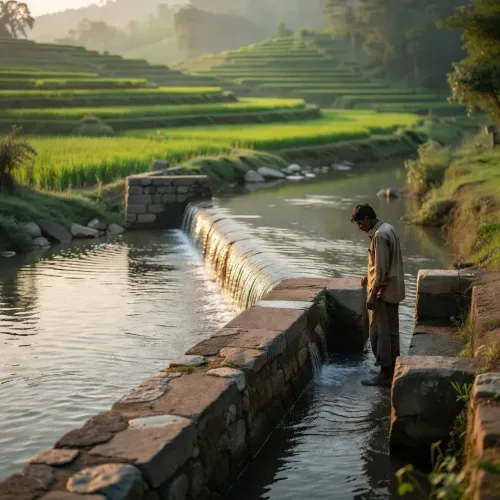
Rs 7 crore approved for construction of an anicut on the Tel River to permanently address drinking water shortages in the Supebeda area .
Officials directed to give priority to small and marginal farmers in fertiliser and seed distribution, with district collectors made personally accountable.
Agricultural officers instructed to visit villages and spread awareness about Nano Urea and Nano DAP to boost modern farming technique adoption.
Review covered development plans, law and order, welfare programmes, and administrative arrangements across all five districts.
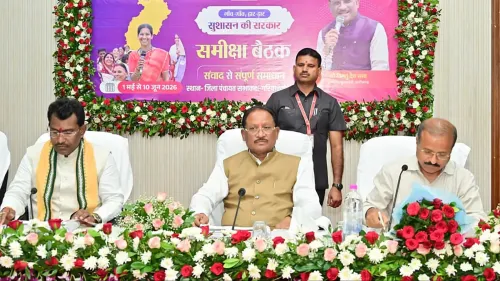
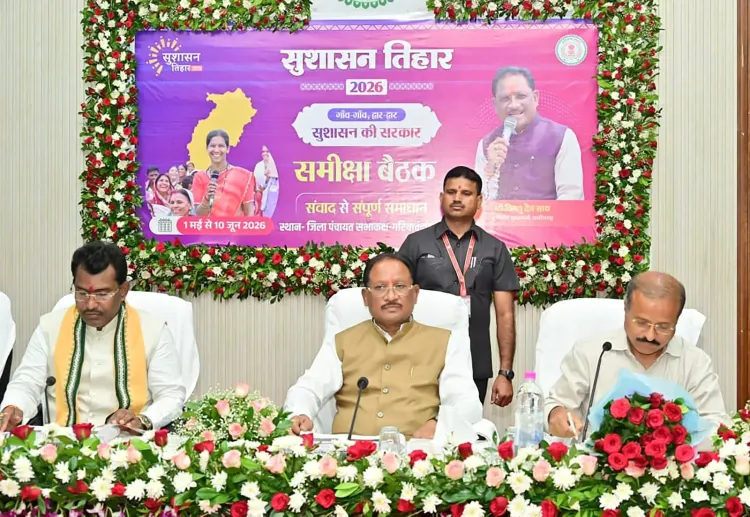
Chief Minister Vishnu Dev Sai chaired a divisional-level review meeting in Gariaband district on Saturday, 7 June 2026, covering development plans, law and order, welfare programmes, and administrative arrangements across Raipur, Gariaband, Dhantari, Mahasamund, and Balodabazar districts.
Context
The meeting, held at the divisional level, brought together senior district officials from five districts of Raipur division for a comprehensive administrative review. In a significant infrastructure decision, CM Sai approved Rs 7 crore for the construction of an anicut — a small check dam — on the Tel River to provide a permanent solution to the drinking water crisis in the Supebeda area of Gariaband district.
Supebeda has faced persistent water shortages, and the anicut is intended to create a reliable source for potable water supply in the region. The approval signals the state government's focus on resolving long-standing civic infrastructure gaps in tribal and rural pockets of central Chhattisgarh.
Policy Backdrop
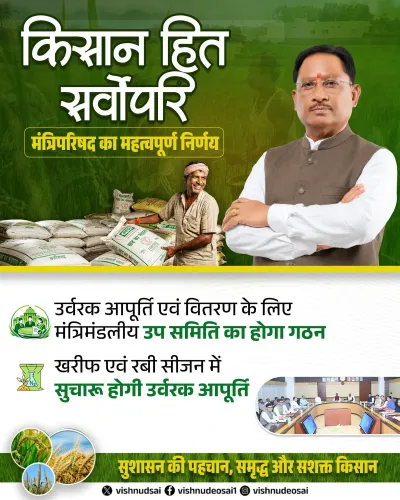
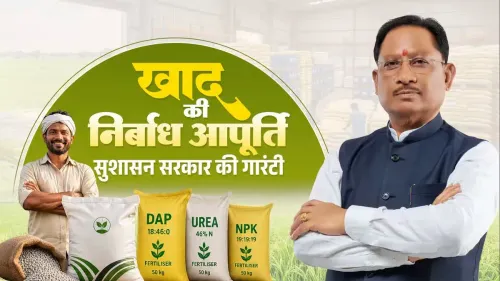
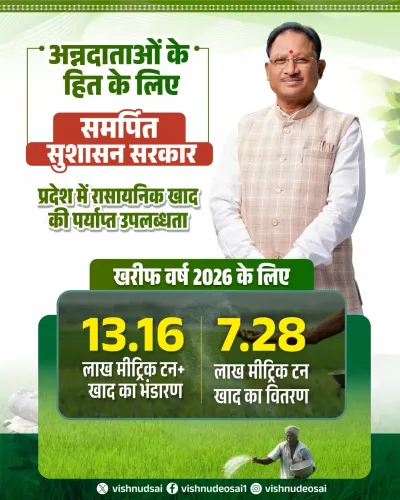
CM Sai directed officials to prioritise small and marginal farmers in the distribution of fertilisers and seeds, and made district collectors personally accountable for ensuring uninterrupted availability. He stated that there should be no difficulty whatsoever in the availability of fertilisers and seeds, and that responsibility would rest squarely with the concerned collectors.
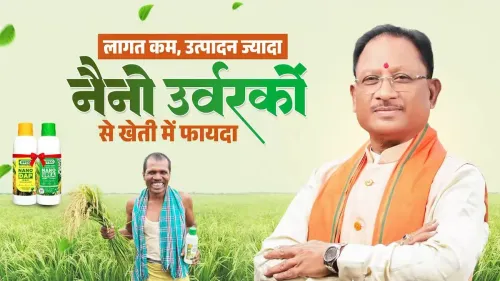
He also instructed agricultural officers to conduct village-level outreach to educate farmers on the benefits of Nano Urea and Nano DAP — liquid nano-fertilizers launched nationally by IFFCO in 2021 as part of India's precision nutrient management push — to maximise the adoption of modern agricultural techniques. Chhattisgarh governments have conducted regular divisional reviews since the state's formation in 2000 to monitor scheme delivery and law-and-order; the post-2023 BJP administration has continued emphasis on micro-irrigation projects and modern farm inputs across central and southern districts.
Stakeholders and Impact
The decisions most directly affect small and marginal farmers across the five reviewed districts, who depend on timely access to subsidised seeds and fertilisers at the start of the kharif (monsoon crop) season. Farmer outreach on Nano Urea and Nano DAP is intended to reduce over-dependence on conventional chemical fertilisers and improve soil health over time.
Residents of the Supebeda area stand to benefit from the Rs 7 crore anicut project, which the administration has framed as a permanent, infrastructure-based remedy rather than a temporary supply measure. District administrations of all five districts have been put on notice regarding accountability for agricultural input supply.
What's Next
Physical progress on the Tel River anicut and district-wise reports on nano-fertilizer farmer outreach will be the key indicators to watch in the coming weeks. With the kharif sowing season approaching, the pace of seed and fertiliser distribution — and the accountability mechanism tied to collectors — will determine whether the directives translate into ground-level impact.
The divisional review format, with its direct accountability assignments, signals that the Sai government intends to use administrative pressure on district machinery to accelerate delivery of both welfare programmes and infrastructure commitments across Raipur division.
Point of View
Where water insecurity has historically undermined both livelihoods and political goodwill. The push for Nano Urea and Nano DAP village outreach aligns Chhattisgarh with a national agrarian modernisation agenda, though on-ground adoption will depend on how effectively district machinery executes the outreach mandate. Together, these decisions suggest the government is seeking visible, localised wins in its home division ahead of a potentially competitive political cycle.
NationPress
21 Oct 2026
Frequently Asked Questions
Why did CM Sai approve Rs 7 crore for an anicut in Gariaband?
The Rs 7 crore was approved for constructing an anicut on the Tel River to provide a permanent solution to the long-standing drinking water shortage in the Supebeda area of Gariaband district.
What is Nano Urea and why is Chhattisgarh promoting it?
Nano Urea is a liquid nano-fertilizer launched by IFFCO in 2021 to improve nutrient use efficiency in farming. CM Sai directed agricultural officers to conduct village-level outreach so farmers across Raipur division can adopt this and Nano DAP as part of modern agricultural practices.
Which districts were covered in the Gariaband divisional review?
The divisional review covered five districts: Raipur, Gariaband, Dhamtari, Mahasamund, and Balodabazar — all part of Chhattisgarh's Raipur division.
Who is responsible for fertiliser and seed supply to farmers in Chhattisgarh?
CM Vishnu Dev Sai made district collectors personally accountable for ensuring uninterrupted availability of fertilisers and seeds, with a specific directive to prioritise small and marginal farmers.
What is an anicut and how will it help Supebeda?
An anicut is a small check dam built across a river to store and regulate water flow. The planned anicut on the Tel River is intended to create a reliable water source to permanently resolve the drinking water crisis in the Supebeda area of Gariaband.