CM Sai orders Zero Fatality mission for Chhattisgarh roads
Synopsis
Chhattisgarh CM Vishnu Deo Sai chaired a high-level Transport Department review on 29 September 2026, directing officials to pursue a 'Zero Fatality' road-safety goal, expand the rural bus scheme to forest-belt villages, and introduce computerised driving tests statewide.
Key Takeaways
Zero Fatality mandate: CM Vishnu Deo Sai directed Transport Department officials to work in mission mode with zero road-accident deaths as the explicit target.
End-to-end safety chain: The review covered accident prevention, emergency response, and timely medical treatment for the injured as a single integrated system.
Mukhyamantri Gramin Bus Yojana: The state's rural bus scheme will be expanded, prioritising remote and forested tribal areas currently without scheduled transport.
Tech-driven licensing reform: Computerised driving tests and stricter vehicle fitness inspections are to be introduced to reduce human-error points in the system.
Tourism connectivity: Routes to Chhattisgarh's heritage and natural attractions will be upgraded as part of the same modernisation drive.
National context: India's National Road Safety Policy (2010) set fatality-reduction targets; Chhattisgarh's push reflects ongoing state-level efforts to close the gap between policy and ground-level outcomes.
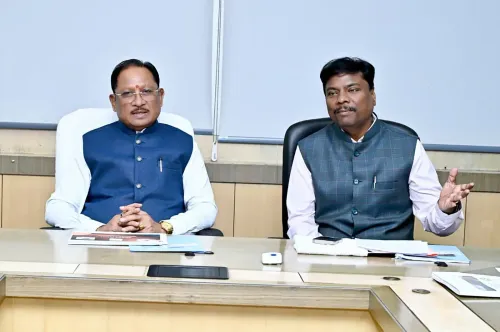
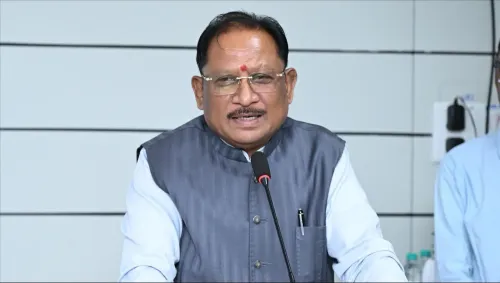
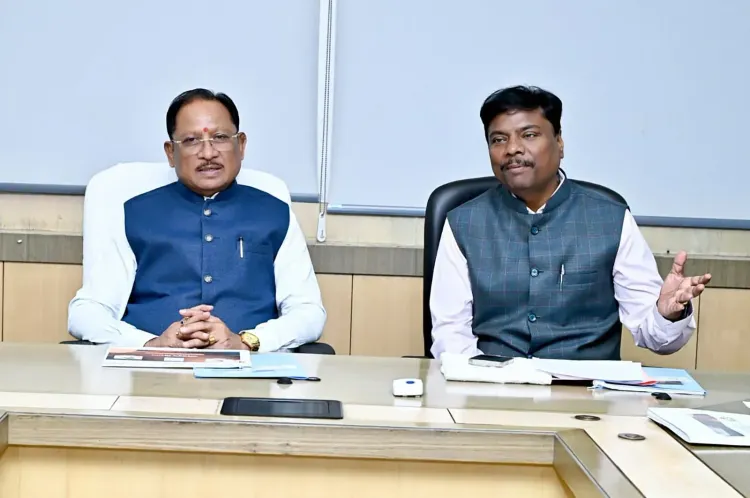
A high-level review meeting at the state ministry on Tuesday, 29 September 2026 set an unambiguous target: zero road-accident deaths in Chhattisgarh. Chhattisgarh Chief Minister Vishnu Deo Sai chaired the Transport Department session and directed officials to operate in mission mode, with the entire chain — accident prevention, emergency response, and timely medical treatment for the injured — to be strengthened end to end.
Posting about the review on X, CM Sai wrote: 'Surakshit safar, sugam parivahan — janhit mein hamari pratibaddh pehel' ('Safe travel, smooth transport — our committed initiative in public interest'). He outlined directions for a 'Zero Fatality' goal and signalled that transport reform in the state would go well beyond urban corridors.
Rural and forest villages move to the front of the queue
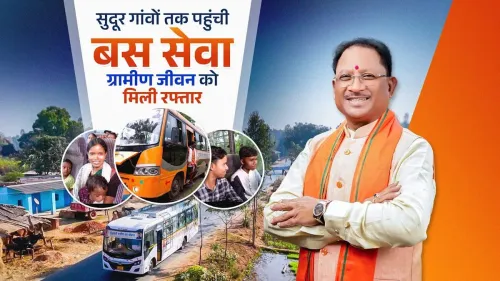
The headline connectivity push is the expansion of the Mukhyamantri Gramin Bus Yojana (Chief Minister Rural Bus Scheme), the state programme designed to stitch bus services into remote and forested areas that currently have none. CM Sai said districts in the tribal hinterland — long underserved by scheduled transport — will be given first priority as new routes are added. For thousands of residents of Chhattisgarh's vananchal (forest-belt) regions, a reliable bus to the nearest town is not a convenience; it is the difference between reaching a hospital or not.
Tech overhaul: computerised tests and vehicle fitness checks
The review also turned to the supply side of road safety: who is behind the wheel and how roadworthy the vehicle is. CM Sai directed the department to enforce rigorous vehicle fitness inspections and to roll out computerised driving tests — a shift away from examinations that critics have long argued are susceptible to irregularities. Modern technology, the CM indicated, will be deployed across the transport system to reduce human-error points.
Tourism connectivity received a separate mention: routes linking Chhattisgarh's heritage and natural attractions will be upgraded as part of the same modernisation drive, threading economic opportunity into the safety-and-access agenda.
Where Chhattisgarh's push fits a national pattern
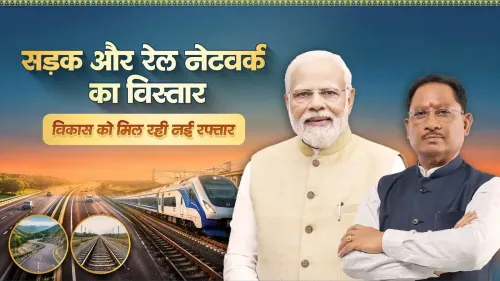
India adopted a National Road Safety Policy in 2010 with explicit fatality-reduction targets, but implementation has varied sharply across states. Interior districts — where roads are narrower, emergency services are sparse, and traffic enforcement is thinner — consistently account for a disproportionate share of deaths. Chhattisgarh's combination of a zero-fatality mandate, last-mile bus expansion, and tech-driven licensing reform tracks a model that several states have attempted with mixed results. The test, as always, will be in the rollout: whether computerised test centres reach smaller district towns, and whether new rural bus routes are actually operationalised on a firm timeline.
The state's vast forested geography and significant tribal population make both the challenge and the stakes higher than the numbers alone suggest. A single road death in a remote block can mean a family loses its only earner with no nearby hospital ever having been a realistic option.
CM Sai, who took office in December 2023, has framed transport as a pillar of governance credibility — and Tuesday's review signals that Chhattisgarh intends to be measured against the sharpest possible benchmark: none.
Point of View
Whether computerised test centres and new bus routes reach sub-district level, or remain concentrated in towns that already have some connectivity. States that have announced similar zero-fatality programmes have found that interior districts, which account for the highest fatality rates, are also the hardest to reach with enforcement and infrastructure simultaneously.
NationPress
29 Sept 2026
Frequently Asked Questions
What is the Zero Fatality mission announced by CM Vishnu Deo Sai?
It is a directive issued by Chhattisgarh Chief Minister Vishnu Deo Sai on 29 September 2026 during a Transport Department review, instructing officials to work in mission mode with the goal of eliminating road-accident deaths in the state by strengthening prevention, emergency response, and timely medical care for the injured.
What is the Mukhyamantri Gramin Bus Yojana in Chhattisgarh?
The Mukhyamantri Gramin Bus Yojana (Chief Minister Rural Bus Scheme) is a state programme that extends scheduled bus services to remote and forested tribal areas of Chhattisgarh that currently lack reliable public transport. CM Sai announced its expansion with priority for the most underserved forest-belt regions.
What transport technology changes did CM Sai announce for Chhattisgarh?
CM Sai directed the introduction of computerised driving tests and stricter vehicle fitness inspections as part of a broader modernisation of Chhattisgarh's transport system aimed at reducing human-error vulnerabilities in licensing and road worthiness checks.
How does Chhattisgarh's road safety push relate to India's national policy?
India adopted a National Road Safety Policy in 2010 with explicit targets for reducing fatalities. Chhattisgarh's 'Zero Fatality' mission and technology-driven reforms reflect a broader state-level effort to translate that national framework into concrete ground-level action, particularly in interior districts where accident rates are high and emergency services are sparse.
Which areas of Chhattisgarh will benefit first from the rural bus expansion?
CM Sai specified that remote and forested tribal areas — referred to as vananchal regions — will be given first priority in the expansion of the Mukhyamantri Gramin Bus Yojana, as these communities currently have the least access to scheduled public transport.