CM Sai pitches ₹5.60L cr green energy vision at summit
Synopsis
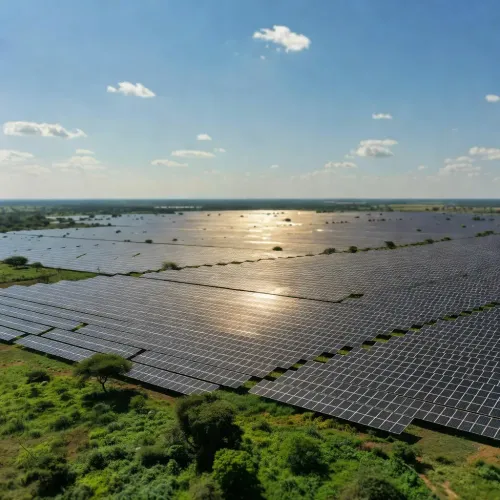
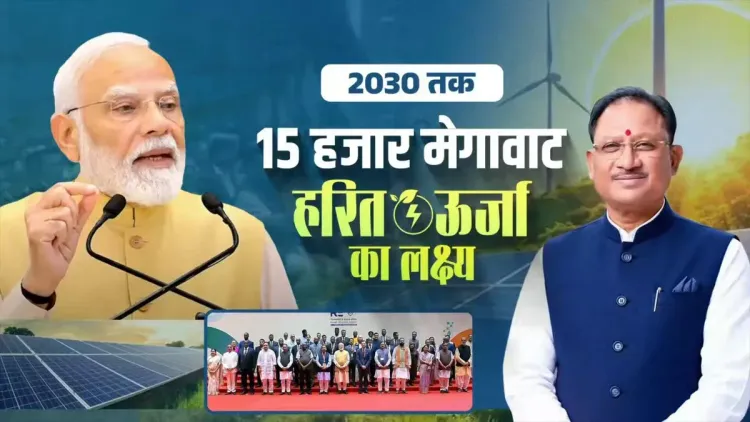
Chief Minister Vishnu Dev Sai presented Chhattisgarh's green energy roadmap at the India Renewable Energy Summit 2026, targeting 15,000 MW of clean energy capacity by 2030 and projecting investment potential of ₹5.60 lakh crore, aligning with India's national 500 GW non-fossil fuel goal.
Key Takeaways
Chhattisgarh has set a target of 15,000 MW of green energy capacity by 2030 , as announced at the India Renewable Energy Summit 2026 .
CM Vishnu Dev Sai projected investment potential of ₹5.60 lakh crore in the state's renewable energy sector.
The initiative is framed under PM Narendra Modi's guidance and aligns with India's Panchamrit commitment of 500 GW non-fossil fuel capacity by 2030, made at COP26 in 2021 .
Chhattisgarh, historically a coal and thermal power state, is repositioning itself as a destination for solar, wind, and clean energy investment.
Post-summit follow-through — including state budget allocations and project-level policy notifications — will determine whether the roadmap translates into installed capacity.
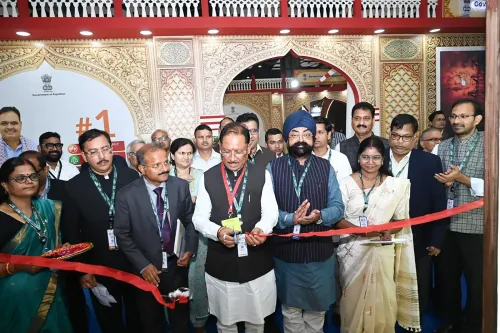
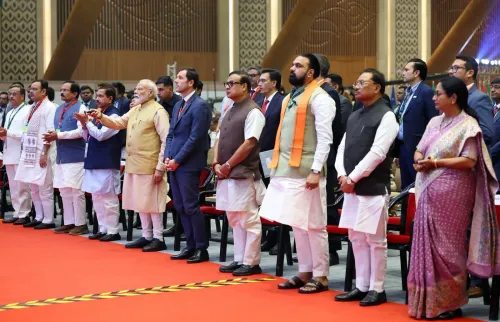
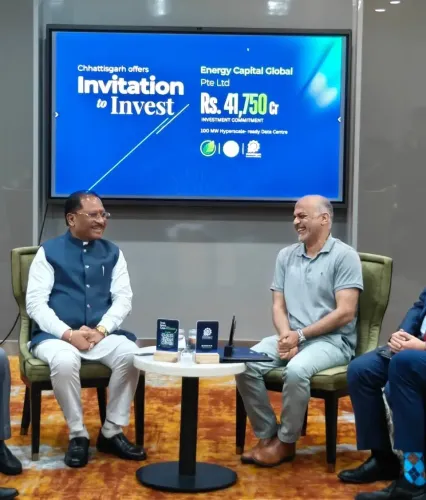
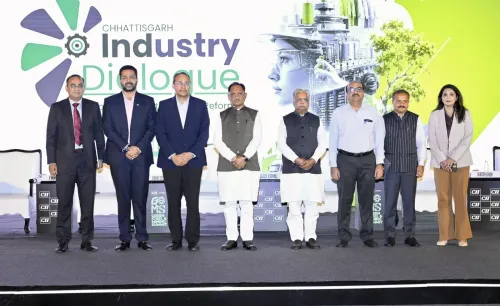
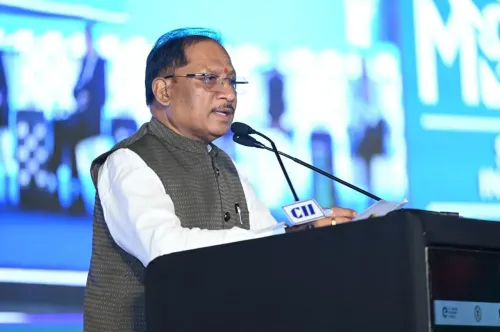
A coal-rich state is now betting on the sun, the wind, and a ₹5.60 lakh crore promise. At the India Renewable Energy Summit 2026, Chief Minister Vishnu Dev Sai of Chhattisgarh unveiled an ambitious roadmap on Sunday, 8 November 2026 — a target of 15,000 megawatts of green energy capacity by 2030, signalling a sharp pivot in the state's energy identity.
From the coal belt to the green grid
Chhattisgarh has long been defined by its mineral wealth and thermal power output — it is one of India's major coal-producing states, contributing significantly to the national power grid. That identity is now being recast. The Chief Minister's Office posted on X that the state is 'नई संभावनाओं के द्वार खोल रहा है' — opening doors to new possibilities in the green energy sector — framing the summit as a turning point in the state's economic story.
CM Sai presented the investment potential and capacity targets at the national summit, positioning Chhattisgarh as an emerging destination for solar, wind, and clean-energy capital. The post explicitly credits the direction to Prime Minister Narendra Modi's guidance, anchoring the state's initiative within the broader national energy transition framework.
India's 500 GW ambition and Chhattisgarh's piece of the puzzle
The state's declared target fits into a larger national architecture. At COP26 in 2021, India committed to its 'Panchamrit' goals — including achieving 500 GW of non-fossil fuel energy capacity by 2030. Meeting that number requires every major state to carry its share of the load. For Chhattisgarh, a state historically dependent on coal royalties and thermal generation, a 15,000 MW green energy goal by 2030 would represent a structural economic shift — not just an energy one.
Across India, resource-rich states are recalibrating. The pattern is consistent: sub-national roadmaps, announced at platforms like this summit, serve a dual purpose — aligning with central climate targets and signalling to private investors that policy certainty exists at the state level. Chhattisgarh's investment pitch at the 2026 summit fits that playbook precisely.
What the ₹5.60 lakh crore figure means in practice
The investment potential figure — ₹5.60 lakh crore — is an expression of projected opportunity across solar parks, wind corridors, green hydrogen pilots, and transmission infrastructure, though specific project-level commitments are yet to be formalised in the public domain. Analysts watching India's energy transition will track whether post-summit follow-through — in state budget allocations, land acquisition policy, and grid connectivity — matches the ambition on display.
The hashtags accompanying the post — #ViksitChhattisgarh and #Sushasansarkar — place the green energy drive within the government's broader development narrative, echoing the national 'Viksit Bharat' (Developed India) messaging ahead of 2047.
Chhattisgarh has laid the number on the table. The harder work — turning megawatts on a roadmap into megawatts on the grid — starts now.
Point of View
Grid upgrades, and state policy notifications will determine whether this joins a long list of ambitious renewable pledges or becomes a genuine structural shift. With India's 2030 non-fossil targets growing more urgent by the year, the pressure to convert roadmaps into running infrastructure has never been higher.
NationPress
8 Nov 2026
Frequently Asked Questions
What is Chhattisgarh's green energy target by 2030?
Chhattisgarh has set a target of 15,000 megawatts of green energy capacity by 2030, as announced by Chief Minister Vishnu Dev Sai at the India Renewable Energy Summit 2026.
How much investment is Chhattisgarh seeking for renewable energy?
The Chief Minister's Office cited investment potential of ₹5.60 lakh crore in Chhattisgarh's renewable energy sector, presented at the India Renewable Energy Summit 2026.
What is the India Renewable Energy Summit 2026?
The India Renewable Energy Summit 2026 is a national platform where states present their renewable energy roadmaps and investment opportunities to central government stakeholders and private investors.
How does Chhattisgarh's plan fit India's national renewable energy goals?
India committed at COP26 in 2021 to achieving 500 GW of non-fossil fuel capacity by 2030 under its Panchamrit targets. Chhattisgarh's 15,000 MW state target is part of the sub-national contributions required to meet that national goal.
Who is Vishnu Dev Sai?
Vishnu Dev Sai is the Chief Minister of Chhattisgarh and the leader responsible for the state's energy and development policy, including its new green energy roadmap.