CM Sai Presents Bastar's Development Vision to PM Modi
Synopsis
Chief Minister Vishnu Deo Sai presented Bastar's development journey and future vision to Prime Minister Narendra Modi on August 3, 2026, committing to self-reliance and inclusive growth for the historically insurgency-affected tribal region of southern Chhattisgarh.
Key Takeaways
CM Vishnu Deo Sai met PM Narendra Modi on August 3, 2026 to present Bastar's development roadmap.
Bastar , a tribal division in southern Chhattisgarh, has historically been affected by left-wing extremism and infrastructure deficits.
The vision is built on three pillars: good governance ( sushasan ), public trust ( janvishwas ), and inclusive development ( samaveshi vikas ).
The BJP government in Chhattisgarh, in power since December 2023 , has made Bastar's revival a flagship priority.
Central and state governments have coordinated on a 'security-plus-development' approach in LWE-affected districts since the 2010s, including through the Aspirational Districts Programme .
The meeting signals Bastar's transformation is now a matter of active, top-level federal attention, with follow-up project announcements expected.
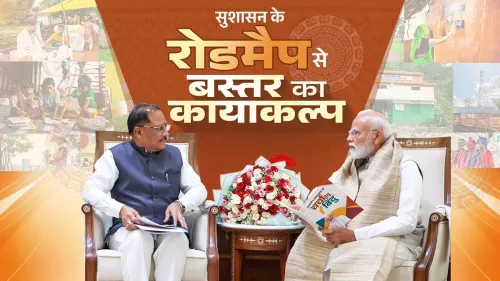
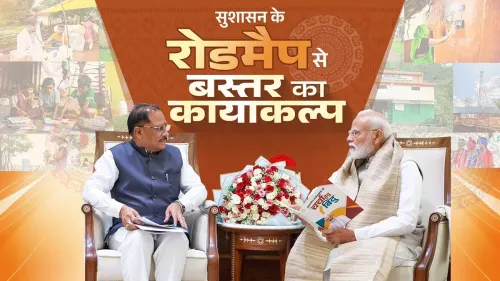
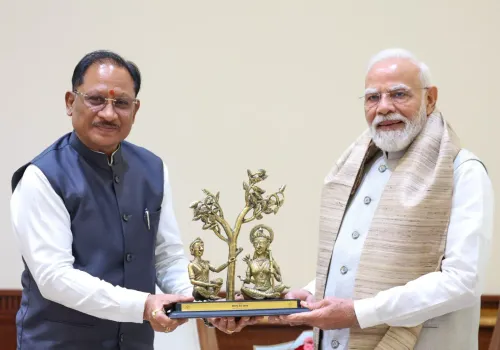
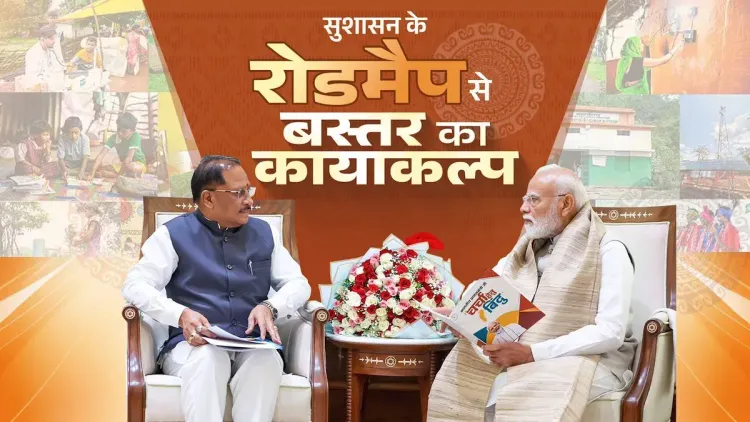
A region once defined by conflict is now being recast as a story of possibility. On Monday, August 3, 2026, the Chief Minister's Office of Chhattisgarh confirmed that Chief Minister Vishnu Deo Sai met Prime Minister Narendra Modi and laid out a comprehensive vision for the transformation of Bastar — anchoring the conversation in good governance, public trust, and inclusive development.
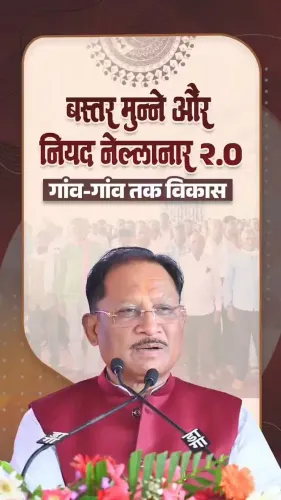
Sharing the development journey and future roadmap of Badalta Bastar ('Changing Bastar'), CM Sai expressed a firm commitment to steering the region toward 'new possibilities, prosperity, and self-reliance' — the post's words, not a slogan borrowed from a press release. The meeting with the Prime Minister signals that Bastar's trajectory is now a matter of active, highest-level federal attention.
Why Bastar, and Why Now
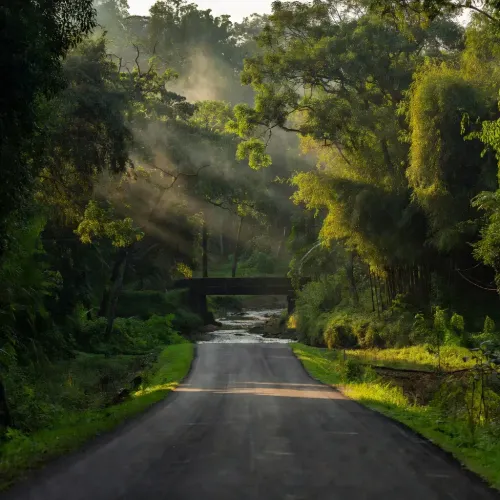
Bastar division, a sprawling tribal heartland in southern Chhattisgarh, has for decades carried the weight of left-wing extremism, infrastructure deficits, and deep welfare gaps. Since the BJP government took charge in Chhattisgarh in December 2023, CM Sai — himself from a tribal community — has made Bastar's revival a centrepiece of the state's identity.
The broader policy architecture is not new. Since the 2010s, the central and state governments have pursued a 'security-plus-development' model in Left Wing Extremism-affected districts, channelling funds through programmes like the Aspirational Districts Programme — road connectivity, skill development, and direct welfare delivery designed to pull communities into the mainstream economy. What is new is the pace and political priority being signalled from the top.
Sai's Pitch: Governance, Trust, Self-Reliance
The three pillars CM Sai placed before the Prime Minister — sushasan (good governance), janvishwas (public trust), and samaveshi vikas (inclusive development) — are not abstract ideals in Bastar's context. They represent a deliberate reframing: that security gains in a region long troubled by insurgency are only durable when backed by visible, felt improvement in daily life for tribal communities.
The meeting's significance lies in what comes next. A CM presenting a regional vision directly to the Prime Minister typically precedes central funding reviews, ministerial-level follow-up meetings, or the green-lighting of specific infrastructure and welfare projects. Bastar's residents, and the political watchers tracking India's LWE-affected districts, will be watching for those announcements.
Bastar is no longer just a security file on Delhi's desk — it is being positioned as a development showcase. Whether the vision CM Sai pitched on August 3 translates into concrete project timelines will be the real measure of this moment.
Point of View
But the pace of visible delivery — roads, welfare, connectivity — determines whether tribal communities stay invested in the democratic process. By framing Bastar's story around self-reliance and public trust rather than security metrics alone, Sai is attempting to shift the national narrative on the region. The real test will be whether this high-profile meeting produces measurable project announcements or remains a political optic.
NationPress
3 Aug 2026
Frequently Asked Questions
What did CM Vishnu Deo Sai discuss with PM Modi about Bastar?
CM Sai presented Bastar's development journey and future vision to PM Modi on August 3, 2026, focusing on good governance, public trust, and inclusive development aimed at steering the region toward prosperity and self-reliance.
What is Badalta Bastar?
'Badalta Bastar' translates to 'Changing Bastar' and is a framing used by the Chhattisgarh government to highlight the transformation of the Bastar division — a tribal region in southern Chhattisgarh historically affected by left-wing extremism.
Who is Vishnu Deo Sai and why is he significant for Bastar?
Vishnu Deo Sai is the Chief Minister of Chhattisgarh since December 2023. He is from a tribal background and has made the development of Bastar, a predominantly tribal region, a central priority of his government.
What is the Aspirational Districts Programme and how does it relate to Bastar?
The Aspirational Districts Programme is a central government initiative targeting underdeveloped districts for accelerated development in areas like health, education, and infrastructure. Bastar, given its tribal population and historical insurgency challenges, has been among the districts targeted under such frameworks.
What should we watch for after CM Sai's meeting with PM Modi on Bastar?
Key things to watch include follow-up announcements on specific Bastar infrastructure or welfare projects, central funding releases for the region, and any review meetings between the Chhattisgarh government and central ministries.