CM Sai Reviews Revenue Dept, Pushes Digital Land Services
Synopsis
Chhattisgarh CM Vishnu Deo Sai chaired a review of the Revenue and Disaster Management Department on 7 July 2026, directing technology-driven reforms, faster disposal of pending cases, and simpler land services for farmers and citizens under the Viksit Chhattisgarh vision.
Key Takeaways
Chief Minister Vishnu Deo Sai chaired a review of the Revenue and Disaster Management Department on 7 July 2026 .
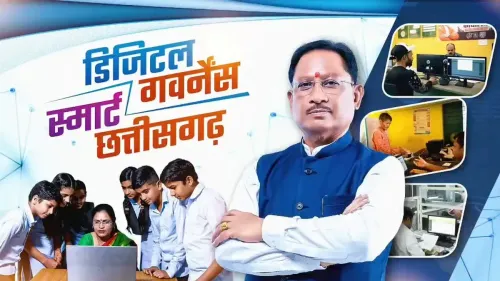
Directives were issued to accelerate technology-based innovations and expand digital services in revenue administration.
Special emphasis was placed on delivering land-related services to farmers and citizens in a simple, accessible and time-bound manner.
The push builds on Chhattisgarh's Bhuiyan land records system and the national Digital India programme launched in 2015 .
The reforms are framed as central to the Viksit Chhattisgarh vision and to strengthening public trust in the state government.
Progress will be measured by the pace of clearing pending revenue cases and the rollout of expanded digital land services.
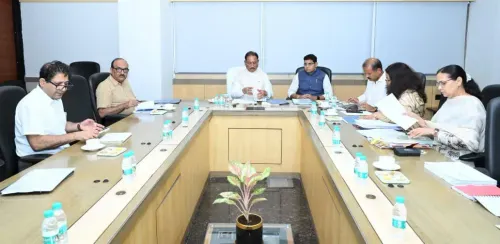
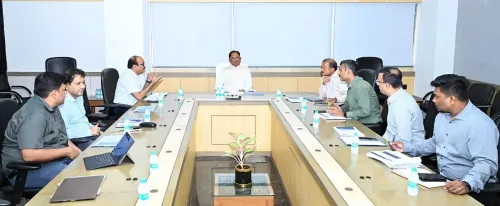
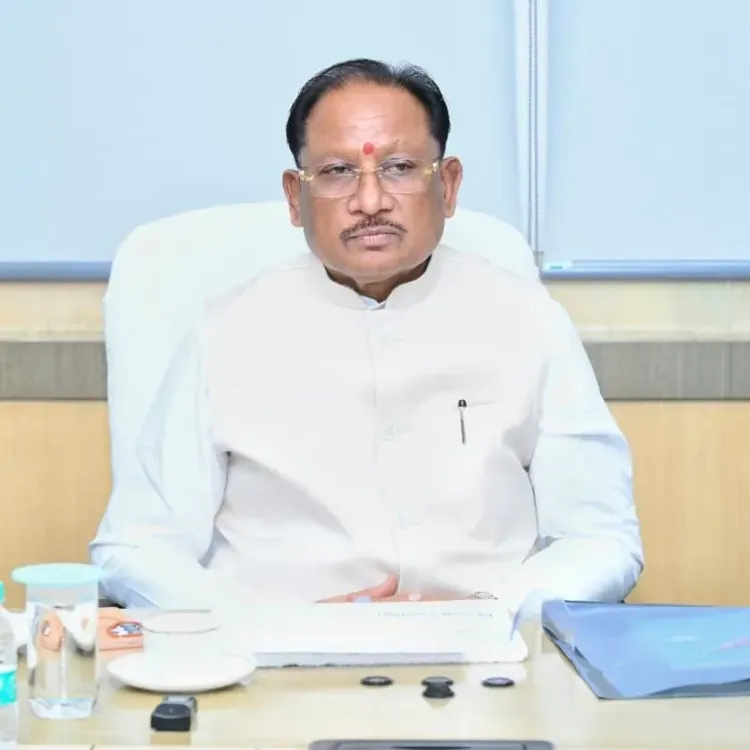
Chhattisgarh Chief Minister Vishnu Deo Sai on Tuesday, 7 July 2026 chaired a review meeting of the state's Revenue and Disaster Management Department, issuing directives to accelerate technology-driven innovations, resolve pending cases faster, and make land-related services simpler and more accessible for farmers and ordinary citizens.
Context
Posting on X after the meeting, Chief Minister Sai wrote: 'सुशासन की पहचान ऐसी राजस्व व्यवस्था है, जो सरल, पारदर्शी, तकनीक-सक्षम और जनकेंद्रित हो' — 'Good governance is defined by a revenue system that is simple, transparent, technology-enabled and citizen-centric.' He said necessary instructions were issued to expand digital services, speed up the disposal of pending cases, and make revenue administration more transparent, accountable and effective.
The Chief Minister placed special emphasis on ensuring that farmers and common citizens receive land-related services in a simple, accessible and time-bound manner. He expressed confidence that technology-based reforms would make revenue services 'more simple, transparent and trustworthy', strengthening public trust in the government and giving new momentum to the vision of a Viksit Chhattisgarh (Developed Chhattisgarh).
Policy Backdrop
Chhattisgarh's push for digital revenue administration builds on a decade-long trajectory. The state rolled out the Bhuiyan online land records system in the 2010s, computerising revenue records and reducing dependence on manual processes — an early step toward reducing pendency and improving citizen access.
At the national level, the Digital India programme, launched in 2015, created the framework for e-governance and technology adoption across state departments. Chhattisgarh's current reform push aligns squarely with that national architecture, as well as with the broader Viksit Bharat 2047 vision of efficient, tech-driven public administration championed by the BJP-led central government.
Chief Minister Sai, who took office in December 2023, has positioned good governance and administrative efficiency as central planks of the state's development agenda. Tuesday's review meeting reflects that continuity.
Stakeholders and Impact
Farmers stand to benefit most directly from streamlined land-record services, as disputes over land ownership, mutation entries, and rights certificates have historically been among the most persistent grievances in rural Chhattisgarh — a state with a significant tribal population for whom land rights carry particular economic and cultural weight.
Urban residents and small business owners who depend on revenue department services for property transactions and tenancy records are also expected to see faster processing times if the directives translate into measurable change on the ground. The emphasis on accountability within the department signals an intent to reduce bureaucratic delays that have long plagued revenue services across Indian states.
What's Next
The immediate indicator to watch will be the pace at which pending revenue cases are cleared in the weeks following the review meeting. Subsequent departmental reviews and any public dashboard updates on digital service delivery will reveal whether Tuesday's directives produce concrete results.
If Chhattisgarh succeeds in measurably cutting pendency and expanding digital land services, the model could inform best-practice benchmarks for other states pursuing similar reforms under the national e-governance framework — reinforcing the state's ambition to be a reference point for citizen-centric administration in central India.
Point of View
Citizen-first governance. By anchoring the directive in the language of 'good governance' and technology, Chief Minister Sai is aligning Chhattisgarh's state-level narrative with the BJP's broader national pitch of tech-enabled, corruption-free administration. Land revenue reform is politically potent in a state with a large tribal and agrarian population, where delays in land records have historically fuelled grievances. The real test will be whether departmental directives translate into measurable reductions in pending cases — a metric that will matter far more to voters than the review meeting itself.
NationPress
7 Jul 2026
Frequently Asked Questions
What did Chhattisgarh CM Vishnu Deo Sai announce on 7 July 2026?
Chief Minister Vishnu Deo Sai chaired a review of the Revenue and Disaster Management Department and issued directives to speed up digital land services, resolve pending revenue cases faster, and make revenue administration more transparent and accountable.
What is the Bhuiyan system in Chhattisgarh?
Bhuiyan is Chhattisgarh's online land records platform, introduced in the 2010s to computerise revenue records and reduce manual processes, giving citizens digital access to land-related documents.
How does this review relate to Digital India?
The national Digital India programme, launched in 2015, provides the overarching framework for e-governance across Indian states. Chhattisgarh's push to digitise revenue services and expand online land records is consistent with that national initiative.
Who benefits most from digital land record reforms in Chhattisgarh?
Farmers and tribal communities benefit most, as land ownership disputes, mutation entries and rights certificates are among the most common grievances in rural Chhattisgarh. Faster digital services reduce the need for repeated visits to revenue offices.
What is Viksit Chhattisgarh?
Viksit Chhattisgarh, meaning 'Developed Chhattisgarh', is the state government's development vision under Chief Minister Vishnu Deo Sai, aligned with the national Viksit Bharat 2047 goal of building an efficient, prosperous and well-governed India by 2047.