CM Sai Seeks Central Funds to Electrify 461 Naxal-Hit Bastar Villages
Synopsis
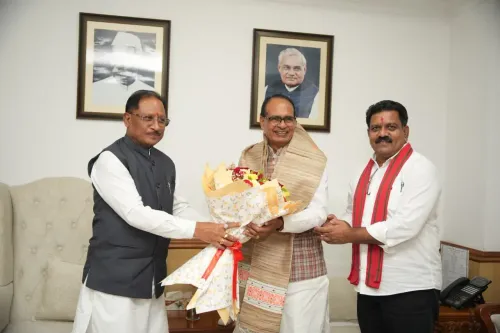
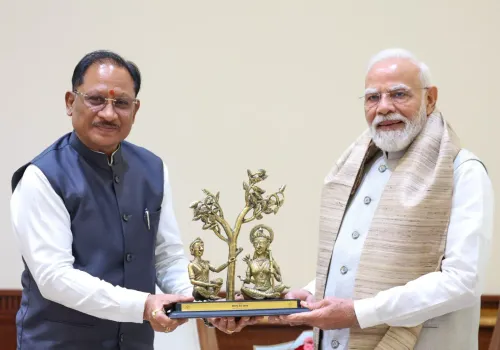
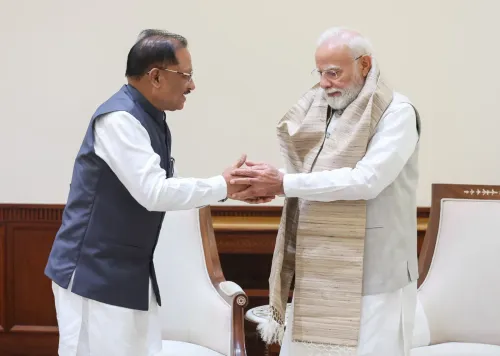
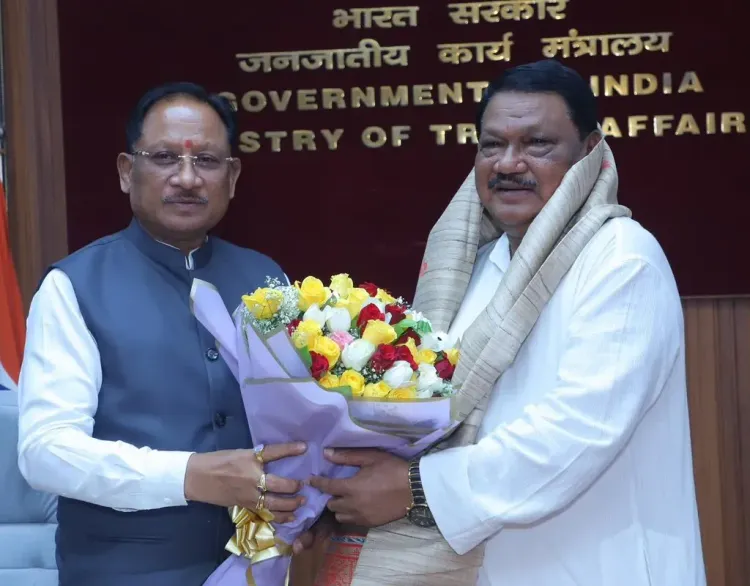
Chief Minister Vishnu Deo Sai travelled to New Delhi and met Union Tribal Affairs Minister Juel Oram on 31 July 2026, formally requesting special central financial assistance to extend grid electricity to 461 remote, formerly Naxal-affected villages in Chhattisgarh's Bastar division.
Key Takeaways
461 villages in Bastar division — remote and formerly Naxal-affected — are the target of a new grid electrification push by the Chhattisgarh government.
CM Vishnu Deo Sai met Union Minister Juel Oram in New Delhi on 31 July 2026 to seek special central financial assistance for the project.
The state government has declared grid electricity for these villages its 'highest priority,' citing years of development denial due to Naxal violence.
Electrification is positioned as the gateway to education, healthcare, employment and livelihood opportunities in the region.
The push builds on existing central frameworks including the Saubhagya scheme (2017) and the Integrated Action Plan for LWE districts .
The outcome of the funding request — and any formal inclusion under central tribal or power-sector schemes — will be the key development to watch.
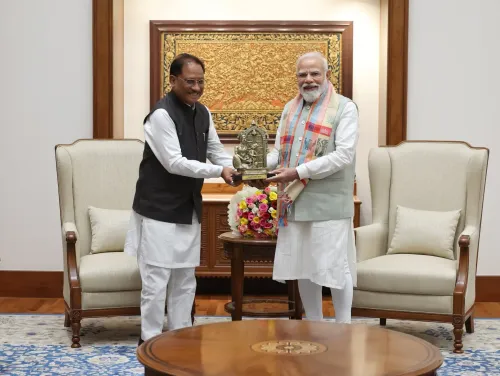
For decades, darkness was the price Bastar paid for conflict. Now, Chief Minister Vishnu Deo Sai is in New Delhi making the case that the lights must finally come on — meeting Union Minister for Tribal Affairs Juel Oram on Friday, 31 July 2026 to seek special central financial assistance for grid electrification of 461 remote and formerly Naxal-affected villages across the Bastar division.
What CM Sai Asked — and Why It Cannot Wait
The Chief Minister's message to the Union Minister was direct: villages that were denied development for years because of Naxal violence must now receive electricity as a non-negotiable first step. 'Jahan naxal hinsa ke karan varshon tak vikas nahi pahuncha' — where Naxal violence kept development away for years — CM Sai told Oram, grid power is now the state government's 'highest priority.'
The ask is not symbolic. Grid electricity is the precondition for everything else: a functioning school needs a light bulb; a health sub-centre needs a refrigerator for vaccines; a small enterprise needs a power socket. Bastar's seven districts know this better than anywhere else in the country.
Bastar's Long Wait — and the Policy Ladder Behind This Push
Bastar division, spanning seven districts in southern Chhattisgarh, was among the worst-affected zones of Left Wing Extremism in India. Infrastructure contractors faced threats, power line workers could not operate, and entire clusters of villages remained off the grid long after the rest of rural India was covered under the Saubhagya scheme launched in 2017.
Central policy has acknowledged this gap before — the Integrated Action Plan for LWE districts, running since 2010 and revised periodically, has channelled additional funds for roads, schools and power in Naxal-affected zones. CM Sai's current request builds on that framework, seeking a fresh tranche of special assistance now that the security situation has improved enough to actually execute the work on the ground.
Juel Oram's Seat at the Table
Juel Oram, a senior BJP leader from Odisha and the Union Minister for Tribal Affairs, is a natural interlocutor for this request. His ministry controls welfare and development funds directed specifically at Scheduled Tribe populations — and Bastar's villages are overwhelmingly tribal. A positive response from his office could unlock not just power-sector money but convergent tribal development funding that accelerates schools, healthcare and livelihood programmes in the same stroke.
CM Sai himself brings credibility to the table: a BJP MP who represented tribal constituencies before becoming Chief Minister in December 2023, he understands the political and human weight of what he is asking for.
What Electrification Actually Unlocks in These Villages
The Chhattisgarh government frames this as a cascade, not a single intervention. Power to 461 villages means children studying after dark, cold-chain storage for medicines, mobile-phone charging that connects farmers to markets, and the basic dignity of a lit home. It also sends a signal — that the state's writ now runs where the Maoist writ once did.
The outcome of this funding request, and whether these villages are formally included under a central tribal or power-sector scheme, will determine how quickly that cascade begins.
Point of View
The political imperative shifts to demonstrating that state capacity can fill the vacuum. Routing the request through the Tribal Affairs Ministry — rather than purely the power sector — is strategically astute, as it opens the door to convergent tribal development funding. For the BJP, which governs both the state and the centre, delivering visible infrastructure in Bastar's tribal heartland ahead of future electoral cycles is as much a political investment as a development one. The real test will be whether the funding is sanctioned quickly enough to match the current security window.
NationPress
31 Jul 2026
Frequently Asked Questions
Which villages in Bastar will get electricity under this plan?
The Chhattisgarh government has identified 461 remote and formerly Naxal-affected villages in Bastar division for grid electrification, though a district-wise village list has not been made public yet.
Why have these Bastar villages not had electricity until now?
Decades of Left Wing Extremism in Bastar made it impossible to lay power infrastructure safely — contractors faced threats and workers could not operate in many areas, leaving these villages off the grid long after national electrification schemes covered the rest of rural India.
What did CM Vishnu Deo Sai ask from the central government?
CM Sai requested special central financial assistance from Union Tribal Affairs Minister Juel Oram during a meeting in New Delhi on 31 July 2026 to fund grid electricity connections to the 461 identified villages.
What is the Saubhagya scheme and does it cover Bastar?
The Saubhagya scheme , launched in 2017 , aimed at last-mile household electrification across India including remote areas. However, the most conflict-affected pockets of Bastar remained difficult to cover under standard scheme timelines, which is why a special funding request is now being made.
What will electrification mean for Bastar's tribal communities?
Grid power is expected to unlock access to education (lighting for evening study), healthcare (cold-chain storage for vaccines), employment (powered small enterprises), and digital connectivity — making it the foundational intervention for broader development in the region.