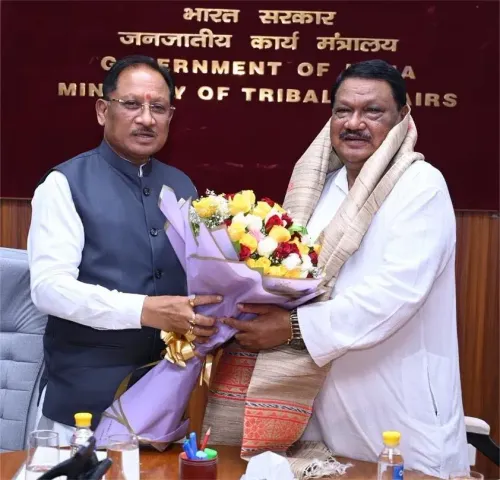
CM Sai: Veer Gundadhur Seva Dera Brings Services to Bastar
Synopsis
Chhattisgarh CM Vishnu Deo Sai highlights the Veer Gundadhur Seva Dera scheme, which brings Aadhaar enrolment, banking and certificates to remote tribal villages in Bastar — areas long cut off by insurgency and administrative neglect.
Key Takeaways
CM Vishnu Deo Sai posted on November 11, 2026 about the Veer Gundadhur Seva Dera initiative in Bastar.
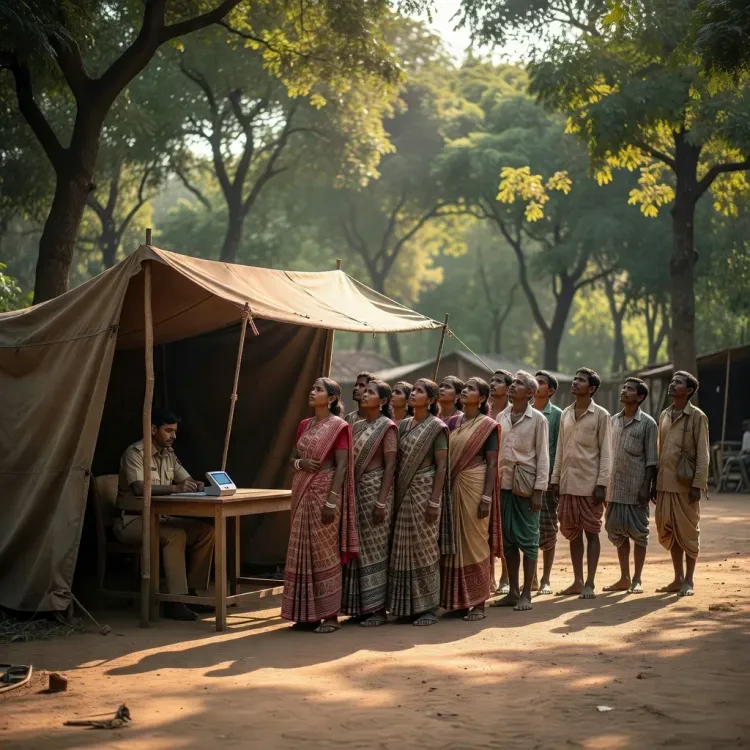
The scheme delivers Aadhaar enrolment, banking services, and government certificates directly to remote tribal villages.
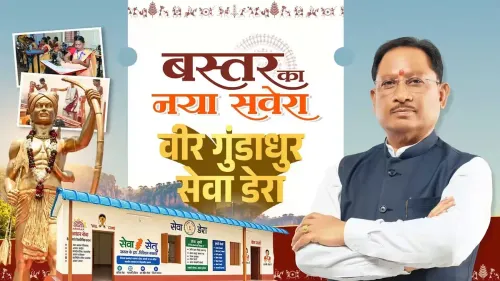
It is named after Veer Gundadhur , a revered early 20th-century tribal resistance figure from Bastar.
Bastar, in southern Chhattisgarh, was long at the heart of the Maoist insurgency and lagged on civic infrastructure.
The initiative follows a wider Red Corridor governance model pairing security gains with welfare delivery.
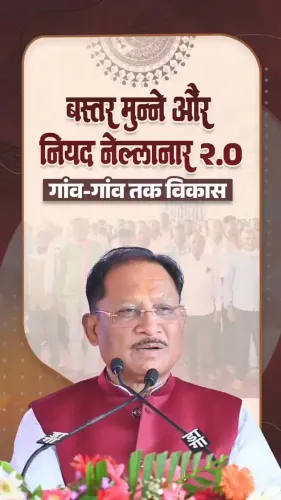
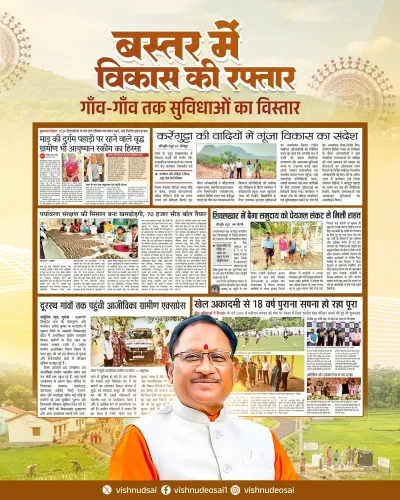
CM Sai pledged that every village in Bastar will receive development and welfare services with no family left behind.
For years, remote tribal villages in Bastar had no road to a bank, no counter for an Aadhaar card, no clerk to issue a certificate — the most basic paperwork of citizenship felt miles away. Now, Chhattisgarh Chief Minister Vishnu Deo Sai says that is changing, as a state initiative named after a legendary tribal martyr carries those services directly to the village doorstep.
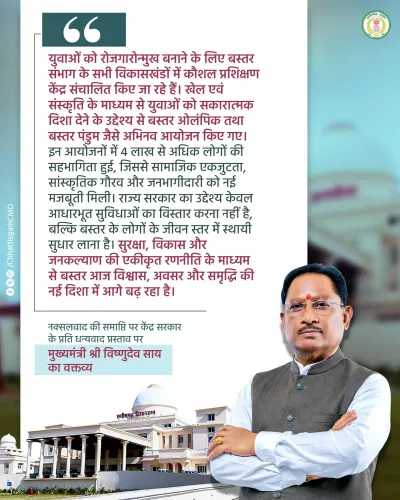
Posting on Wednesday, November 11, 2026, CM Sai wrote in Hindi: 'नक्सलमुक्त बस्तर में अब विकास की रोशनी उन दूरस्थ गाँवों तक पहुँच रही है' — 'In a Naxal-free Bastar, the light of development is now reaching those distant villages that were deprived of basic facilities for years.'
What the 'Veer Gundadhur Seva Dera' scheme does
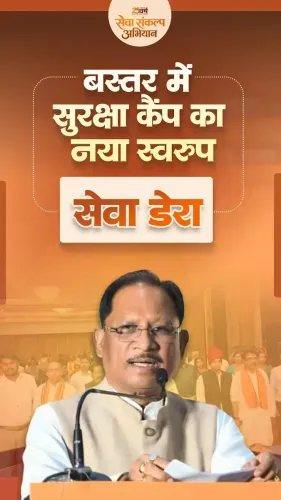
The Veer Gundadhur Seva Dera initiative is named after Veer Gundadhur, a revered tribal figure from Bastar associated with early 20th-century resistance movements. Under the scheme, state teams travel to remote villages to deliver Aadhaar enrolment, banking access, and essential government certificates — the identity infrastructure that unlocks welfare transfers, land rights, and health benefits — without requiring villagers to travel to distant district offices.
CM Sai framed the initiative as both a welfare commitment and a statement of reach: 'हमारा संकल्प है कि बस्तर के हर गाँव तक विकास और जनकल्याणकारी सुविधाएँ पहुँचें' — 'Our resolve is that development and welfare services reach every village in Bastar, and no family is left deprived of basic services.'
Bastar's long road from conflict to civic inclusion
Bastar division, in southern Chhattisgarh, spent decades at the centre of the Maoist insurgency that defined India's so-called Red Corridor. The violence made large swathes of the region effectively ungovernable — schools shuttered, health workers stayed away, and administrative offices never got closer than the nearest town. Financial inclusion and identity documentation lagged years behind the rest of the country.
State governments across the Red Corridor have, since the 2010s, paired security operations with welfare delivery drives, recognising that civic presence is itself a governance tool. Chhattisgarh has leaned into this convergence model in Bastar following what officials describe as significant security gains in recent years. Neighbouring states have run similar Aadhaar-and-banking outreach camps to plug the identity gap in formerly insurgency-hit pockets.
Naming the scheme after Gundadhur — and why it matters
The choice to invoke Veer Gundadhur's name is deliberate political and cultural signalling. Gundadhur is a figure of pride for Bastar's tribal communities — a symbol of resistance and self-determination. Attaching his name to a welfare delivery scheme is an attempt to build trust with communities that have historically been wary of state institutions.
The broader pattern — security gains followed by rapid service-delivery camps — is now a template Chhattisgarh is pushing hard. If the Seva Dera model scales, the next test will be whether it links to infrastructure: roads, schools, and primary health centres that make a single camp visit into a permanent connection.
The light CM Sai speaks of is real. Whether it stays on depends on what comes after the camp packs up and moves to the next village.
Point of View
The BJP government in Raipur is attempting to convert security-era goodwill into lasting electoral and administrative trust among Bastar's tribal electorate. The camp-based model echoes similar Direct Benefit Transfer and financial-inclusion pushes across the Red Corridor, but the real policy test is whether it transitions from periodic outreach to permanent infrastructure. Watch whether linked schemes — roads, schools, health sub-centres — follow the Seva Dera footprint.
NationPress
11 Nov 2026
Frequently Asked Questions
What is the Veer Gundadhur Seva Dera scheme in Chhattisgarh?
The Veer Gundadhur Seva Dera is a Chhattisgarh state initiative that sends government teams to remote tribal villages in Bastar to provide Aadhaar enrolment, banking access, and essential certificates on the spot, so villagers do not have to travel to distant district offices.
Who was Veer Gundadhur and why is a welfare scheme named after him?
Veer Gundadhur was a tribal leader from Bastar who became a symbol of resistance in the early 20th century. Naming the scheme after him is a deliberate cultural choice to build trust with tribal communities and honour their heritage.
Is Bastar fully Naxal-free in 2026?
Chief Minister Vishnu Deo Sai described Bastar as 'Naxal-free' in his post, reflecting the state government's position after reported security gains. However, independent verification of complete Naxal elimination in the entire region is not confirmed.
What services does the Seva Dera camp provide to tribal villages?
The camps provide Aadhaar card enrolment, basic banking services, and government certificates — the foundational identity documents needed to access welfare transfers, land records, and health benefits.
How does Chhattisgarh's Bastar outreach model compare to other states?
Several states in the Red Corridor have adopted similar convergence models — pairing security operations with Aadhaar enrolment and banking camps — to extend governance into previously inaccessible tribal areas. Chhattisgarh's Seva Dera model fits this broader national pattern.