CM Sai Shares President Murmu's Tribute to Bastar Dussehra
Synopsis
CM Vishnu Deo Sai amplifies President Draupadi Murmu's tribute to Bastar Dussehra 2026, praising the tribal community's collective rituals as sacred, inclusive, and a living lesson for all of India.
Key Takeaways
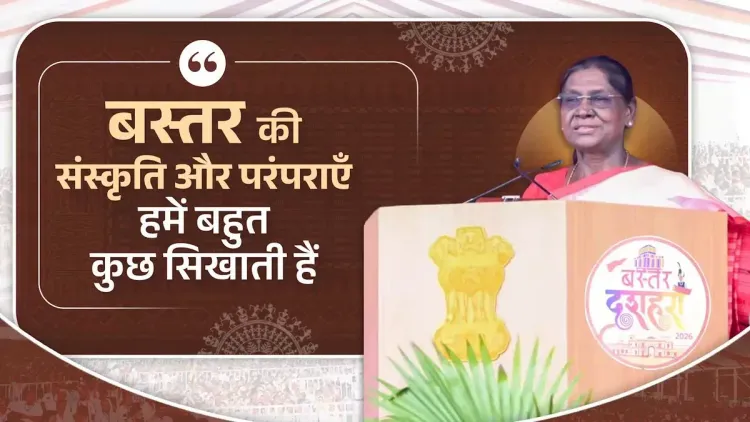
President Draupadi Murmu praised Bastar's collective ritual traditions as 'sacred and inclusive', saying there is 'much to learn' from them.
CM Vishnu Deo Sai shared the presidential message on October 23, 2026 during the ongoing Bastar Dussehra 2026 celebrations.
Bastar Dussehra is rooted in Muria and other tribal community traditions and includes the Muria Darbar , a traditional tribal assembly.
President Murmu is India's first President from a tribal background, giving her endorsement of indigenous culture particular significance.
CM Sai is himself from the Oraon tribal community , reflecting Chhattisgarh's tribal leadership at both state and national levels.
The post reflects a broader pattern of India's constitutional office-holders formally recognising indigenous cultural heritage.
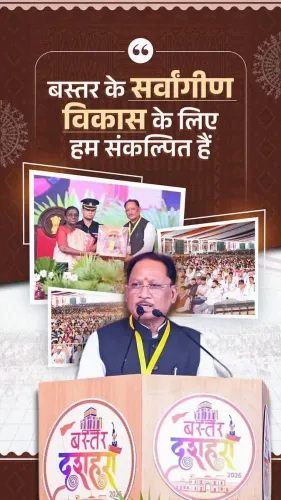
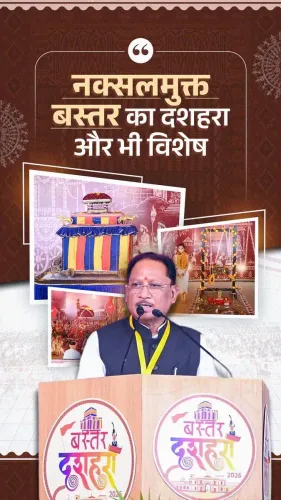
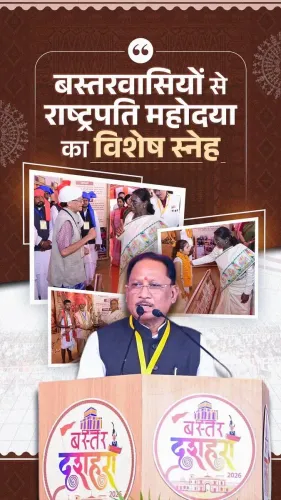
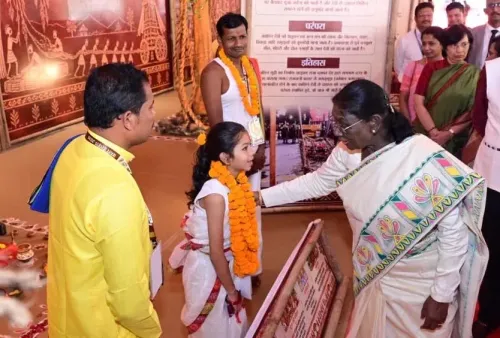
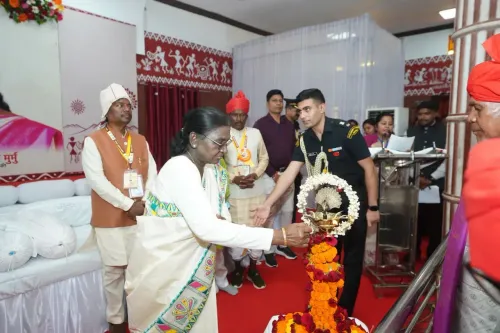
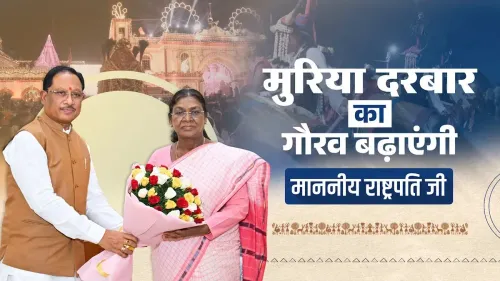
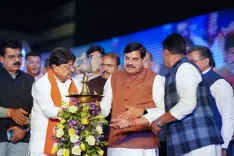
When the President of India pauses to salute a centuries-old tribal ritual, the moment carries weight far beyond ceremony. Chhattisgarh Chief Minister Vishnu Deo Sai shared a message from President Draupadi Murmu on Friday, October 23, 2026, quoting her admiration for the collective rituals of Bastar Dussehra 2026 — one of India's most distinctive and ancient tribal festivals.
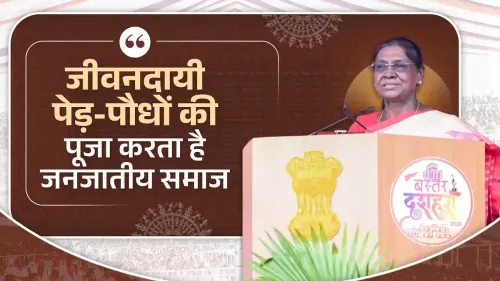
In the quoted message, President Murmu expressed: 'सामूहिक अनुष्ठानों को पीढ़ियों से उसी उत्साह के साथ करते रहने की आपकी सांस्कृतिक परंपरा का मैं अभिनंदन करती हूँ' — translated as, 'I salute your cultural tradition of performing collective rituals across generations with the same enthusiasm.' She called Bastar's heritage 'extremely sacred and inclusive', adding that there is 'much to learn' from it.
Bastar Dussehra: Not the Dussehra You Know
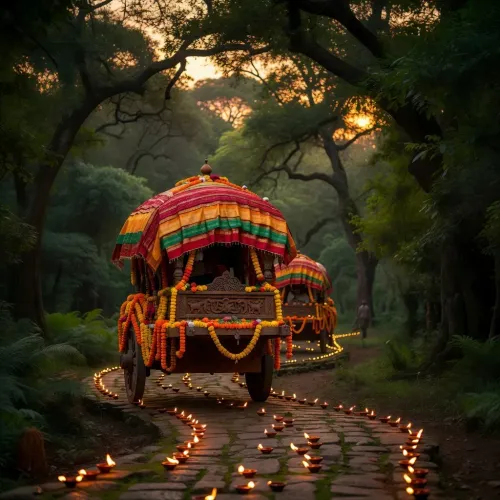
Bastar Dussehra, celebrated in southern Chhattisgarh's Bastar district, bears almost no resemblance to the mainstream Hindu festival of the same name. Rooted in the rituals of the Muria and other tribal communities, it spans several weeks and centres on collective worship, community gatherings, and the Muria Darbar — a traditional assembly where tribal representatives convene in a living expression of participatory governance and cultural continuity. The festival is documented as part of Chhattisgarh's formal cultural heritage.
What sets it apart is precisely what President Murmu praised: its samuhik anushthan — collective rituals performed generation after generation without dilution, a rare feat in a rapidly urbanising country.
Why President Murmu's Voice Carries Particular Resonance
President Draupadi Murmu is herself a member of the Santali tribal community, making her the first person from an indigenous background to hold India's highest constitutional office. When she speaks of learning from tribal traditions, it is neither diplomatic courtesy nor political optics — it is lived affinity. Her public engagement with indigenous cultural practices has been a consistent thread since she assumed office, and this message to the Bastar community deepens that thread.
CM Sai, who shared the message via @rashtrapatibhvn, is himself part of the Oraon tribal community and leads a state where tribal populations form a significant demographic bloc. His choice to amplify the presidential tribute aligns with the Chhattisgarh government's ongoing efforts to place tribal cultural identity at the centre of state messaging.
A Constitutional Endorsement of Regional Diversity
India's national leaders periodically spotlight tribal festivals — but a direct presidential commendation, shared by the sitting Chief Minister at the height of the festival season, is a moment of layered significance. It signals institutional recognition that indigenous ritual traditions are not folklorique footnotes but living, civic-grade heritage. The Muria Darbar segment, in particular, embodies a form of participatory assembly that predates modern democratic structures.
For the tribal communities of Bastar, the message from India's first tribal President — amplified by their own Chief Minister — is an affirmation that their centuries of continuity have been seen, named, and honoured at the republic's highest level.
Bastar Dussehra 2026 is underway. The Muria Darbar gathers. And from Raisina Hill, the President watches — and learns.
Point of View
Amplified by CM Sai, fits into a deliberate political and constitutional arc: the mainstreaming of tribal identity within India's official cultural narrative. With both the nation's President and Chhattisgarh's Chief Minister drawn from tribal communities, such moments carry symbolic weight that transcends routine ceremonial acknowledgment. It also reflects the BJP's strategy in tribal-majority states like Chhattisgarh — anchoring governance identity in cultural continuity rather than solely in development metrics. The spotlight on the Muria Darbar specifically signals institutional comfort with indigenous participatory traditions as heritage worth showcasing, not merely preserving.
NationPress
23 Oct 2026
Frequently Asked Questions
What is Bastar Dussehra and how is it different from regular Dussehra?
Bastar Dussehra is a multi-week tribal festival in Bastar district of Chhattisgarh rooted in Muria and other indigenous community traditions. Unlike mainstream Dussehra, it does not celebrate the victory of Ram over Ravana but instead features collective rituals, community worship, and the Muria Darbar — a traditional tribal assembly — making it a unique expression of indigenous governance and culture.
What did President Draupadi Murmu say about Bastar Dussehra 2026?
President Murmu praised the cultural tradition of performing collective rituals across generations with the same enthusiasm, calling Bastar's heritage 'extremely sacred and inclusive' and saying there is 'much to learn' from it.
Why did CM Vishnu Deo Sai share President Murmu's message?
CM Sai shared the presidential tribute to highlight the significance of Bastar Dussehra 2026 and to amplify national-level recognition of Chhattisgarh's tribal cultural heritage during the ongoing festival.
What is the Muria Darbar at Bastar Dussehra?
The Muria Darbar is a traditional assembly held during Bastar Dussehra where tribal representatives from the Muria and associated communities gather, representing a centuries-old form of participatory community governance unique to the Bastar region.
Is President Draupadi Murmu from a tribal community?
Yes. President Draupadi Murmu belongs to the Santali tribal community and is the first person from an indigenous tribal background to hold the office of President of India.