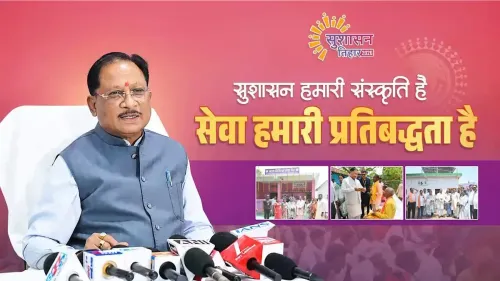
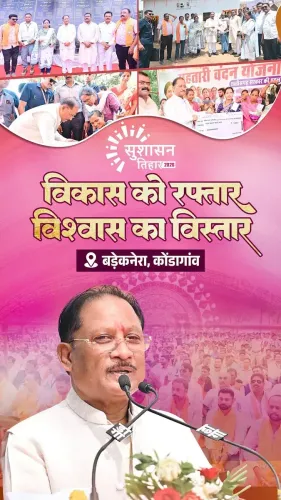
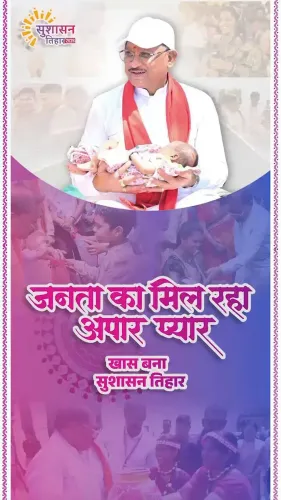
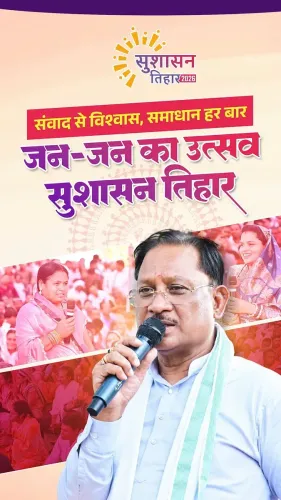
CM Sai: Sushasan Tihar Reaching Bastar's Remote Forests
Synopsis
Chhattisgarh CM Vishnu Deo Sai, after touring Bastar division, says Sushasan Tihar 2026 is successfully channelling welfare schemes to remote forest communities, reinforcing the BJP government's last-mile delivery push in tribal and LWE-affected areas.
Key Takeaways
Chief Minister Vishnu Deo Sai visited Bastar division and posted on 2 June 2026 about the reach of Sushasan Tihar 2026 .
Sushasan Tihar is a state-run good governance outreach programme deploying public hearing and scheme-delivery camps across Chhattisgarh.
The CM stated that welfare schemes are 'effectively reaching remote forest areas' and producing 'positive and hopeful change' in residents' lives.
Bastar division — historically affected by left-wing extremism and difficult terrain — is a focal zone for the government's last-mile delivery drive.
The programme mirrors similar governance outreach models in Madhya Pradesh and Jharkhand , aligned with the national push for scheme saturation among Scheduled Tribe populations.
Further district-level camps are scheduled through 2026 , with potential new directives on forest-rights and PMAY-G housing in Bastar expected.
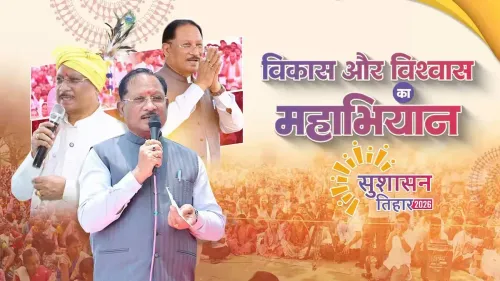
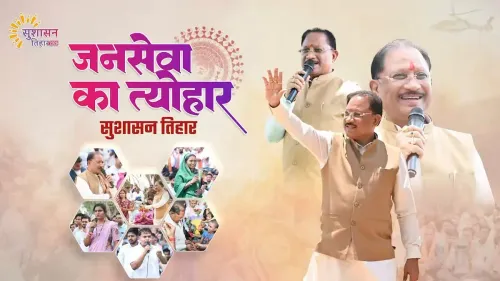
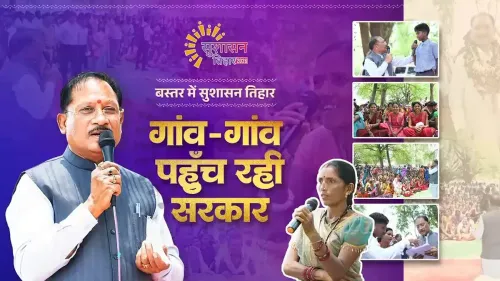
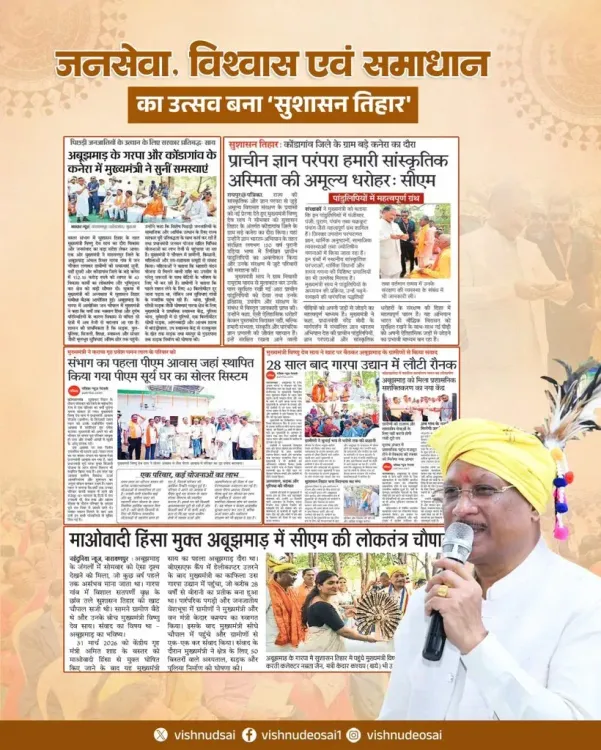
Chhattisgarh Chief Minister Vishnu Deo Sai on Tuesday, 2 June 2026, said that the state's Sushasan Tihar (Good Governance Festival) is emerging as a powerful vehicle for delivering development, trust, and public welfare to every citizen — including those in the remotest forest regions of Bastar division.
Posting on X after a tour of the Bastar region, Chief Minister Sai wrote in Hindi: 'Sushasan Tihar aaj vikas, vishwas aur jankalyan ko jan-jan tak pahunchane ka sashakt madhyam bankar ubhar raha hai' — ['Sushasan Tihar is today emerging as a powerful medium to take development, trust, and public welfare to every person']. He added that the visit reinforced his conviction that the government's welfare schemes are 'effectively reaching remote forest areas and bringing positive and hopeful change in people's lives.'
Context
Sushasan Tihar is a state-level good governance outreach programme that deploys public hearing camps and scheme-delivery drives across Chhattisgarh's districts. The 2026 edition, tagged #SushasanTihar2026, is part of the BJP government's push to saturate welfare delivery in areas that have historically faced administrative reach challenges. Chief Minister Sai's visit to Bastar division — which encompasses some of the state's most densely forested and tribally populated districts — underscores the programme's emphasis on last-mile delivery.
Bastar has long been associated with left-wing extremism and difficult terrain, making routine government outreach logistically complex. The Chief Minister's ground-level tour signals a deliberate effort to demonstrate that governance infrastructure is now penetrating areas that were once considered inaccessible to state welfare machinery.
Policy Backdrop
Following the BJP's victory in the November 2023 Chhattisgarh assembly elections, the Sai government prioritised extending central and state welfare schemes to Left Wing Extremism-affected and forest-belt communities. Vishnu Deo Sai, who served as a union minister with focus on tribal and rural development before becoming Chief Minister in December 2023, has consistently framed governance outreach in terms of reaching 'samaj ke antim vyakti' — ['the last person in society'] — a phrase he repeated in this post.
State governments across central India have increasingly adopted time-bound governance festivals to bridge last-mile delivery gaps in remote tribal belts. Chhattisgarh's model mirrors similar outreach frameworks used in neighbouring Madhya Pradesh and Jharkhand, aligning with the broader national emphasis on scheme saturation among Scheduled Tribe populations.
Stakeholders and Impact
The primary beneficiaries of Sushasan Tihar camps are tribal communities, forest-dwelling households, and residents of Bastar's interior villages who face geographic and infrastructural barriers to accessing government services. Welfare schemes related to housing, health, agriculture, and forest rights are among those typically delivered through such outreach drives.
For the state government, the programme also serves as a direct feedback mechanism — public hearings allow officials to log grievances and pending applications on the spot, reducing the backlog that accumulates in remote sub-divisions. Chief Minister Sai's personal visit to Bastar lends political weight to the exercise and signals administrative accountability at the highest level.
What's Next
Further district-level Sushasan Tihar camps are expected to continue through 2026 across Chhattisgarh. Observers will watch for any new state directives on forest-rights claims or rural housing under PMAY-G in the Bastar belt, which could follow from the Chief Minister's ground assessment. The government's ability to sustain scheme delivery momentum in LWE-sensitive zones will be a key measure of the programme's long-term impact.
Point of View
A long-standing BJP ideological touchstone, and positions Sai's government within a continuum of tribal-welfare politics that the party has amplified nationally since 2014. Whether the programme translates into measurable improvements in forest-rights settlement or housing coverage in Bastar will ultimately determine its political durability.
NationPress
16 Oct 2026
Frequently Asked Questions
What is Sushasan Tihar in Chhattisgarh?
Sushasan Tihar is a state-level good governance outreach programme run by the Chhattisgarh government that organises public hearing camps and welfare scheme delivery drives across districts, with a focus on reaching remote and tribal communities.
Why did CM Vishnu Deo Sai visit Bastar?
Chief Minister Vishnu Deo Sai visited Bastar division to assess the on-ground reach of the Sushasan Tihar 2026 programme, and he reported that government welfare schemes are effectively reaching remote forest areas in the region.
What is Sushasan Tihar 2026?
Sushasan Tihar 2026 is the current edition of Chhattisgarh's annual good governance festival, aimed at saturating welfare scheme delivery across the state, including in LWE-affected and forested districts such as those in Bastar division.
Who is Vishnu Deo Sai?
Vishnu Deo Sai is the Chief Minister of Chhattisgarh and a BJP leader. He assumed office in December 2023 following the party's victory in the state assembly elections, and previously served as a union minister with a focus on tribal and rural affairs.
Which areas does Sushasan Tihar target in Chhattisgarh?
Sushasan Tihar targets all districts of Chhattisgarh, with particular emphasis on remote forest and tribal belts such as Bastar division, where geographic and infrastructural barriers have historically limited access to government welfare schemes.