CM Sai unveils Birsa Munda statue, hosts seminar in Bilaspur
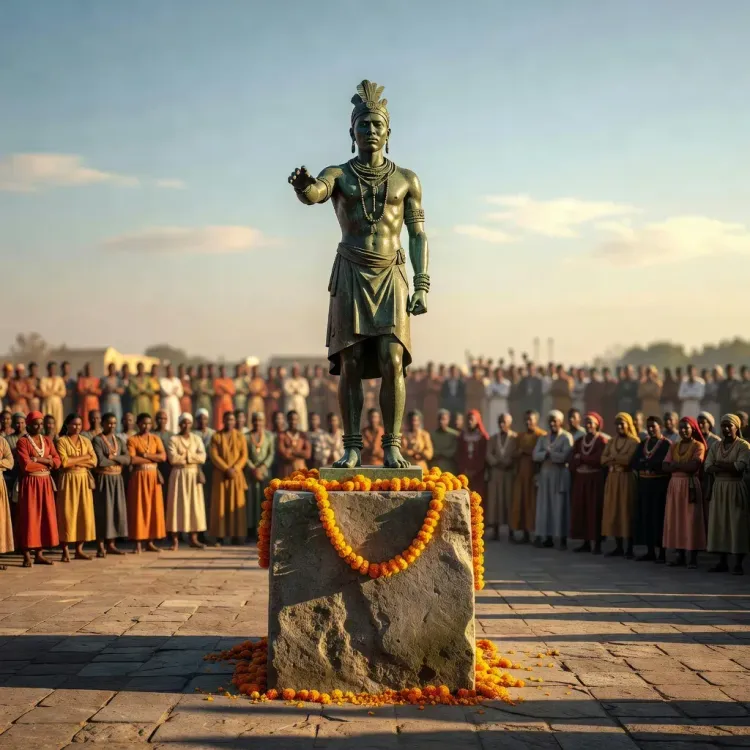
Synopsis
Chhattisgarh Chief Minister Vishnu Deo Sai unveiled a statue of tribal freedom fighter Birsa Munda and chaired a national seminar in Bilaspur on 16 November 2026, a day after Janjatiya Gaurav Divas, affirming the state's push to centre Adivasi narratives in public life.
Key Takeaways
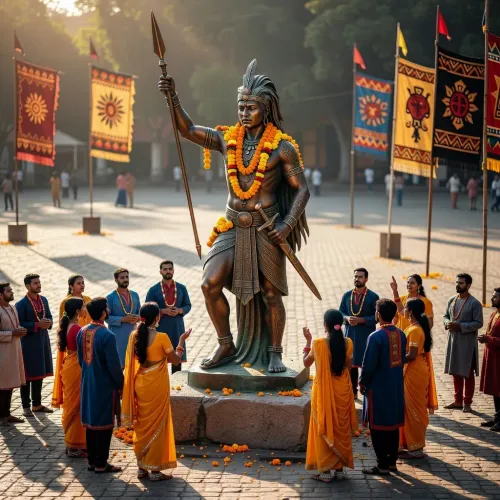
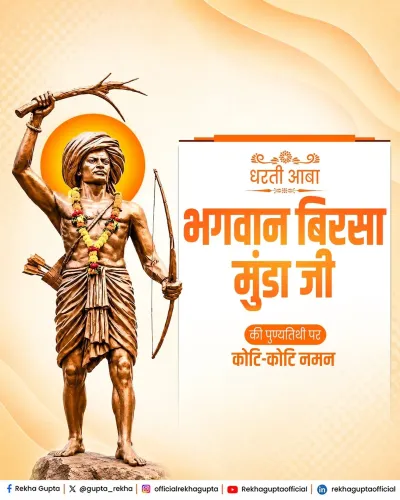
Chhattisgarh CM Vishnu Deo Sai unveiled a statue of Bhagwan Birsa Munda in Bilaspur on 16 November 2026 .
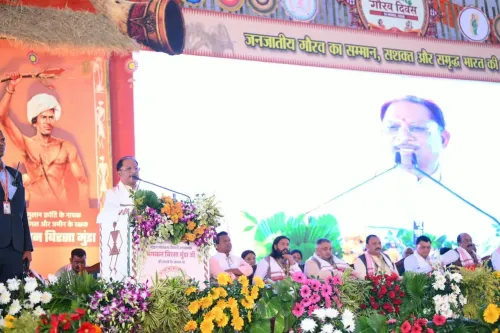
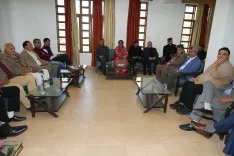
The event also included a national seminar on Birsa Munda's legacy, combining commemoration with intellectual discourse.
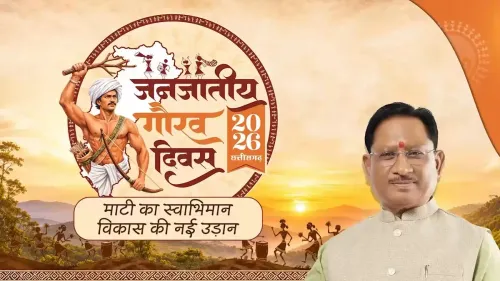
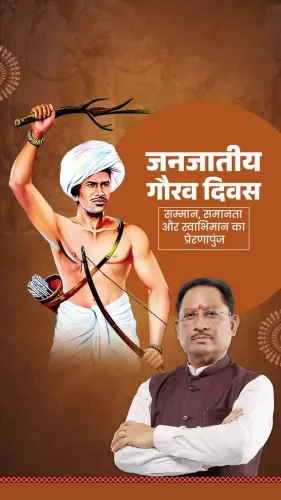
The event follows Janjatiya Gaurav Divas (15 November), instituted by the Government of India in 2021 to honour tribal contributions to the freedom struggle.
Birsa Munda led the 19th-century Ulgulan movement against British land policies in the Chotanagpur region.
Chhattisgarh has a Scheduled Tribe population of roughly a third of the state, making Adivasi heritage politically and culturally central to governance.
CM Sai is himself from a tribal community, lending personal resonance to his role in such commemorations.
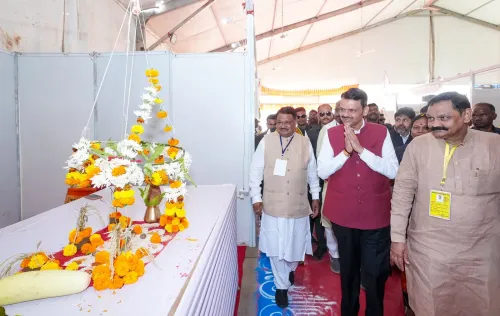
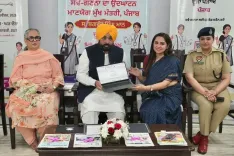
A 19th-century tribal freedom fighter was honoured in stone in Bilaspur, Chhattisgarh on Monday, 16 November 2026, as Chhattisgarh Chief Minister Vishnu Deo Sai unveiled a statue of Bhagwan Birsa Munda and presided over a national seminar marking the occasion.
Birsa Munda in Bilaspur: who was honoured and why it matters
Birsa Munda was a tribal leader from the Chotanagpur region who, in the late 19th century, led the Ulgulan — 'the great tumult' — a mass uprising against British land-dispossession policies and missionary encroachment on Adivasi land rights. He died in 1900, barely in his mid-twenties, yet his resistance became a foundational chapter in India's freedom story. For the country's tribal communities, he is not merely a historical figure — he is Bhagwan, a god-like liberator.
Bilaspur, a major administrative and cultural hub in northern Chhattisgarh, sits at the heart of a state where Scheduled Tribes make up roughly a third of the population. Bringing a national seminar on Birsa Munda's legacy to this city is a deliberate geographic statement about whose history belongs at the centre of public life.
Janjatiya Gaurav Divas and the politics of Adivasi memory
The timing is not incidental. 15 November — Birsa Munda's birth anniversary — was declared Janjatiya Gaurav Divas (Tribal Pride Day) by the Government of India in November 2021, institutionalising tributes to Adivasi contributions to the freedom struggle as an annual national observance. The Bilaspur event follows one day after that anniversary, extending the commemoration into a formal state-level programme.
Across BJP-governed states, a broader pattern has taken shape: statues, memorials, and seminars honouring 19th-century tribal figures are being woven into the official national narrative — a deliberate effort to place Adivasi resistance movements alongside Nehru, Patel, and Gandhi in the mainstream memory of India's independence. Chhattisgarh, with its dense tribal geography, has become one of the most active arenas for this effort.
What a statue in Bilaspur signals for tribal Chhattisgarh
Chief Minister Sai, who took office in December 2023 and is himself from a tribal community, has made Adivasi heritage a visible pillar of his administration's identity. The combination of a statue unveiling and a national seminar in a single event suggests an ambition beyond ceremonial tribute — it frames Birsa Munda's legacy as an active intellectual and political reference point, not a museum exhibit.
Watch for further district-level installations and possible linkage to tribal welfare scheme announcements in the weeks ahead. When a government builds statues, it is also building an argument about whose values shape governance.
Frequently Asked Questions
Who was Birsa Munda?
Birsa Munda was a 19th-century tribal leader from the Chotanagpur region who led the Ulgulan uprising against British land-dispossession policies. He died in 1900 and is revered as 'Bhagwan' by many tribal communities across Jharkhand, Chhattisgarh, and Odisha.
What is Janjatiya Gaurav Divas?
Janjatiya Gaurav Divas is observed on 15 November every year, marking Birsa Munda's birth anniversary. The Government of India instituted it in November 2021 to highlight the contributions of tribal communities to India's freedom struggle.
Why was the statue unveiled in Bilaspur?
Bilaspur is a major administrative and cultural city in northern Chhattisgarh, a state with a large Scheduled Tribe population. Hosting the event there extends the state government's Adivasi heritage programme to a prominent urban centre.
Who is Chhattisgarh Chief Minister Vishnu Deo Sai?
Vishnu Deo Sai is a BJP leader and the Chief Minister of Chhattisgarh since December 2023. He is himself from a tribal community, which gives him a distinct personal connection to events celebrating Adivasi heritage.
What was the national seminar about at the Bilaspur event?
The event combined a statue unveiling of Bhagwan Birsa Munda with a national seminar, though the specific agenda details of the seminar have not been officially disclosed. It is part of broader state and central government efforts to highlight tribal contributions to India's freedom movement.