CM Saini Backs Centre's Rabi MSP Hike for 2027-28
Synopsis
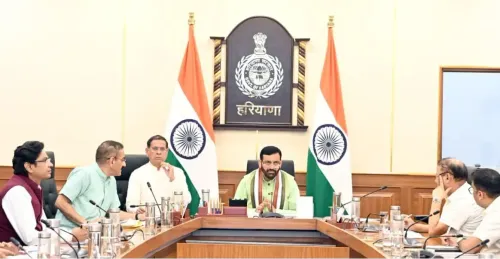
The Union Cabinet has approved higher MSP for all notified Rabi crops for the 2027-28 marketing season. Haryana CM Nayab Singh Saini welcomed the move, saying it will raise the income of lakhs of farmer families in Haryana and crores across India.
Key Takeaways
The Union Cabinet approved an MSP hike for all notified Rabi crops for the 2027-28 marketing season on 30 September 2026 .
Haryana CM Nayab Singh Saini credited Prime Minister Narendra Modi and said the revision will benefit lakhs of Haryana farmer families.
Haryana is a leading producer of wheat and mustard — two key Rabi crops — and a major contributor to central procurement.
Since 2018 , government policy mandates MSP at a minimum of 1.5 times the cost of production for notified crops.
Crop-wise MSP rates for 2027-28 are subject to official gazette notification; actual farmer gains depend on procurement operations.
A decision aimed squarely at India's farming heartland landed on Wednesday, 30 September 2026, as the Union Cabinet approved a hike in Minimum Support Prices (MSP) for all notified Rabi crops for the 2027-28 marketing season — and Haryana Chief Minister Nayab Singh Saini was quick to flag what it means for millions of farm families in his state.
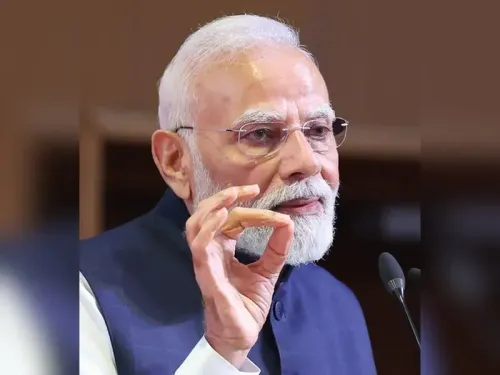
Posting in Hindi on X, CM Saini called it a 'big decision in the interest of the annadata' — the provider of food — crediting the move to Prime Minister Narendra Modi and the Union Cabinet's leadership. He said the MSP revision 'will ensure an increase in the income of crores of farmers across the country, including lakhs of farmer families in Haryana.'
Why the Rabi MSP revision matters to Haryana
Haryana is one of India's most productive wheat and mustard belts — both core Rabi crops — and a major supplier to central procurement operations. When the Union government moves the MSP floor, the ripple reaches every mandis in Ambala, Karnal, and Hisar almost immediately. For state-level leaders, it is also a concrete deliverable to point to ahead of any procurement season.
The Modi government has maintained an annual cycle of MSP revisions for Rabi crops since taking office in 2014. A 2018 policy commitment set the benchmark: MSP must be at least 1.5 times the cost of production for all notified crops — a principle the government has cited consistently in its farm-welfare messaging. Each year's revision is therefore measured not just in rupees but against that declared floor.
The BJP's farm-income framework and what comes next
The annual MSP cycle is a central pillar of the BJP's rural welfare agenda, particularly in states like Haryana where agriculture employs a large share of the workforce and where farmers have historically been a decisive electoral bloc. CM Saini's post — framing the Cabinet decision as a direct gift from the Prime Minister to the annadata — fits a well-established pattern of state-level leaders amplifying central welfare announcements to reinforce the party's ground-level connect.
The actual crop-wise MSP figures and the full schedule for notified Rabi crops for 2027-28 will be confirmed through official gazette notification. The real test, as always, arrives when procurement operations open and farmers discover whether the new floor price translates into cash at the mandi gate — or stays on paper.
Point of View
But its political weight remains undiminished — particularly in a state like Haryana, where wheat and mustard farmers are both an economic backbone and an electoral force. CM Saini's swift public endorsement reflects a deliberate state-level amplification strategy: tying the Centre's welfare decisions to the BJP's local credibility. The real policy question is whether the revised floor price, once gazette-notified, is backed by adequate procurement infrastructure so that the mandi price matches the headline number. Until that closes, MSP announcements live somewhere between promise and performance.
NationPress
30 Sept 2026
Frequently Asked Questions
What is MSP and why does it matter to farmers?
Minimum Support Price (MSP) is a government-set floor price at which the state procures designated crops from farmers, ensuring they receive a minimum income regardless of market fluctuations. For Rabi crops like wheat and mustard, it directly shapes the revenue millions of farmers can expect each harvest.
Which crops are covered under the Rabi MSP revision for 2027-28?
The Union Cabinet approved MSP increases for all notified Rabi crops for the 2027-28 marketing season. Crop-wise rates will be confirmed through an official gazette notification; wheat and mustard — key to Haryana — are among the primary Rabi crops typically notified.
How does the Rabi MSP hike affect Haryana farmers specifically?
Haryana is one of India's largest producers of wheat and mustard, both major Rabi crops, and a leading contributor to central procurement. A higher MSP directly raises the floor income for lakhs of farming households in the state, as CM Nayab Singh Saini noted in his statement.
What is the Modi government's policy on MSP and cost of production?
Since 2018, the central government's stated policy is to fix MSP at a minimum of 1.5 times the cost of production for notified crops. This benchmark has been the reference point for all subsequent annual MSP revisions.
When will the 2027-28 Rabi MSP rates be officially confirmed?
The exact crop-wise MSP figures for the 2027-28 marketing season will be confirmed through an official gazette notification. Procurement operations for Rabi crops typically begin in the spring of 2028.