CM Saini Backs Green Energy Corridor Phase-III Approval
Synopsis
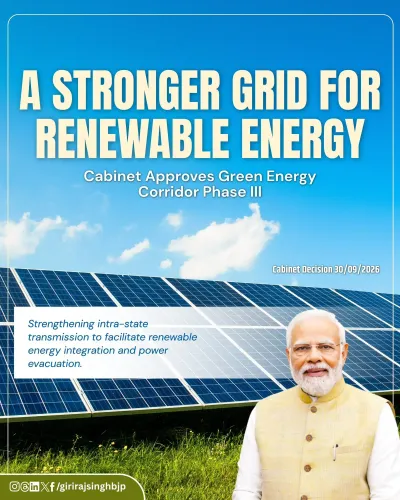
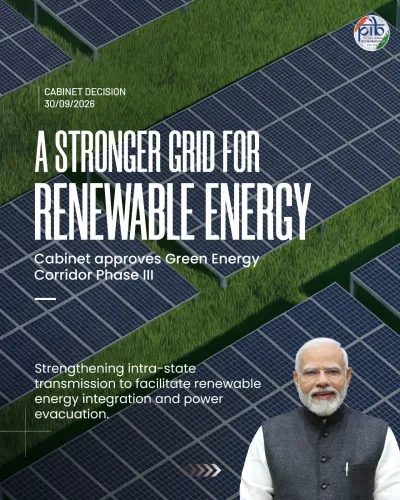
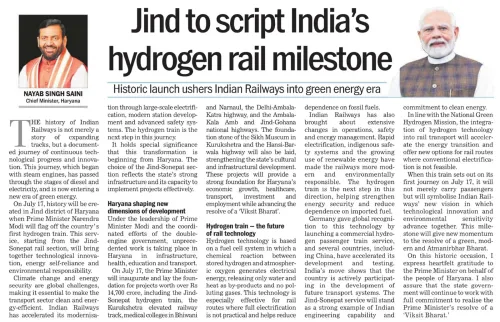
Haryana CM Nayab Singh Saini has welcomed the Union Cabinet's approval of Green Energy Corridor Phase-III, a central scheme to strengthen intra-state transmission systems and accelerate renewable energy integration across India's states and Union Territories.
Key Takeaways
Green Energy Corridor Phase-III (GEC-III) has been approved by the Union Cabinet under PM Narendra Modi's leadership.
The scheme targets intra-state transmission infrastructure to improve renewable energy evacuation across states and UTs.
Green Energy Corridor Phase-I was first approved in 2015 , focusing on inter-state transmission from high-potential renewable zones.
GEC-III is expected to strengthen energy security , reduce grid curtailment, and generate new employment in the energy sector.
Haryana CM Nayab Singh Saini publicly endorsed the decision on 30 September 2026 , crediting PM Modi's vision.
Specific funding details, state-wise project lists, and implementation timelines for GEC-III are yet to be officially detailed.
India's renewable energy grid just got a significant policy push. Haryana Chief Minister Nayab Singh Saini on Wednesday, 30 September 2026 welcomed the Union Cabinet's approval of the Green Energy Corridor Phase-III (GEC-III), calling it a landmark step toward a greener and more energy-secure nation under the leadership of Prime Minister Narendra Modi.
What GEC-III Promises to Fix
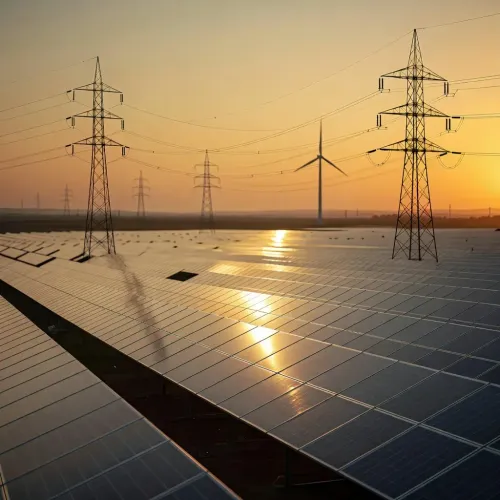
Saini's post, written in Hindi, captures the ambition of the scheme in clear terms: 'हरित ऊर्जा के विस्तार को मिलेगी नई गति' ('Green energy expansion will gain new momentum'). The corridor is designed to strengthen intra-state transmission systems across states and Union Territories, enabling better evacuation of renewable power from generation sites to the grid — a bottleneck that has long frustrated India's clean-energy ambitions.
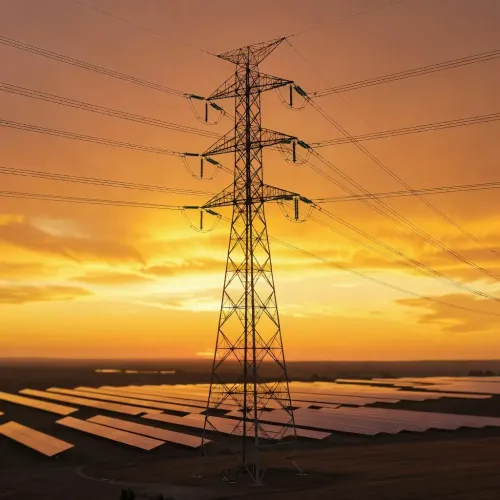
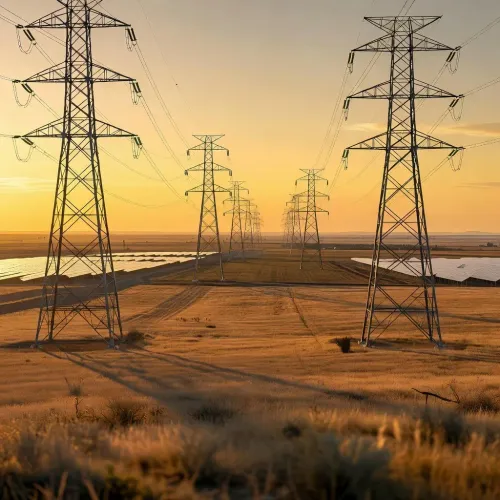
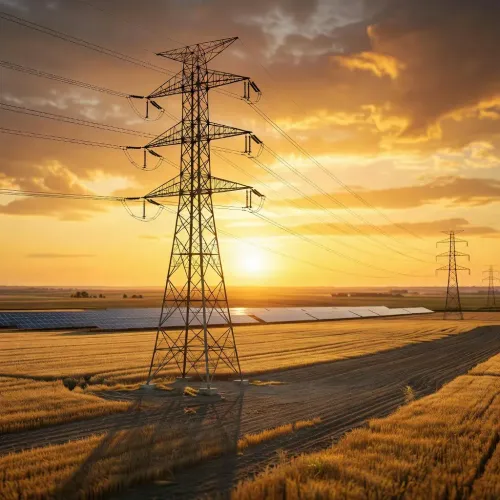
Grid curtailment — where solar and wind power is generated but cannot be transmitted because the wires simply aren't there — has been one of the most stubborn structural problems in India's energy transition. GEC-III directly targets that gap. The scheme is expected to integrate renewable energy more efficiently, improve grid stability, and create fresh employment in the energy sector.
A Corridor Built in Phases
This approval does not come from nowhere. Green Energy Corridor Phase-I was launched in 2015 to build inter-state transmission infrastructure, connecting high-potential renewable zones — think Rajasthan's solar deserts and Gujarat's wind farms — to demand centres. Successive phases have progressively shifted focus from inter-state highways to the intra-state 'last mile' of the grid, where renewable energy often gets stranded before it reaches consumers.
GEC-III continues that arc, addressing the intra-state bottlenecks that earlier phases left untouched. State power utilities and private renewable energy developers stand to benefit most directly — faster evacuation means more viable projects and more bankable investments.
Saini's Political Signal on Green Growth
For Saini, the endorsement is also a political statement. Haryana has been expanding its own renewable capacity, and aligning with a central scheme of this scale signals the state's intent to plug into India's larger green grid ambitions. His post explicitly credits PM Modi's 'visionary initiative' (दूरदर्शी पहल) and frames GEC-III as a pillar of national energy security — language that connects a technical infrastructure decision to a broader narrative of self-reliance.
The specifics of GEC-III — funding allocation, state-wise transmission line targets, substation counts, and implementation timelines — are yet to be detailed publicly. Those numbers will determine whether the corridor's ambition translates into steel towers and live wires on schedule.
India's renewable capacity race has always had two tracks: adding gigawatts of generation and building the grid to carry them. GEC-III is a bet that both can move together — and the states that move fastest will define what India's energy map looks like by the end of this decade.
Point of View
Backing such schemes allows state leaders like Saini to connect local energy priorities to a national green-growth narrative ahead of electoral cycles. The real test, however, lies in execution: India's earlier corridor phases faced delays in land acquisition and utility coordination, and GEC-III will face the same structural pressures. How quickly states move on project lists and funding drawdowns will signal whether this approval is a policy inflection point or another ambitious plan awaiting follow-through.
NationPress
30 Sept 2026
Frequently Asked Questions
What is Green Energy Corridor Phase-III (GEC-III)?
GEC-III is a central government scheme approved by the Union Cabinet to strengthen intra-state transmission systems across India's states and Union Territories, enabling better evacuation and integration of renewable energy into the grid.
How is GEC-III different from earlier Green Energy Corridor phases?
Green Energy Corridor Phase-I, launched in 2015, focused on inter-state transmission infrastructure. GEC-III shifts focus to intra-state bottlenecks — the 'last mile' of the grid where renewable power often gets stranded before reaching consumers.
Why did Haryana CM Nayab Singh Saini comment on GEC-III?
Saini welcomed the Union Cabinet's approval of GEC-III as a step toward national energy security and green growth, aligning Haryana's renewable energy ambitions with the broader central scheme.
What are the benefits of GEC-III for India?
The scheme is expected to reduce renewable energy curtailment, improve grid stability, strengthen energy security, and create new employment opportunities in the energy sector across states and UTs.
When was Green Energy Corridor Phase-III approved?
The Union Cabinet approved GEC-III as announced around 30 September 2026, though the specific cabinet meeting date and full project scope are yet to be officially detailed.