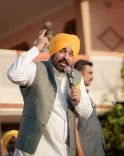
CM Samrat Choudhary Backs PM VGSY, Rs 7,395 Cr Rural Push
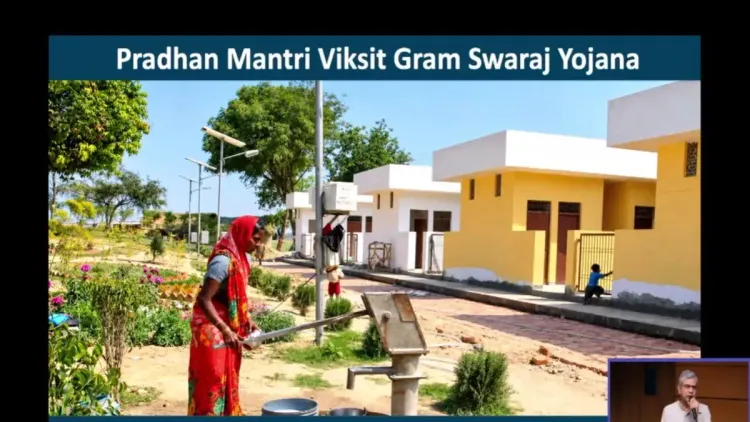
Synopsis
The Union Cabinet approved PM Viksit Gram Swaraj Yojana with a Rs 7,395.55 crore outlay to strengthen over 2.55 lakh panchayats. Bihar CM Samrat Choudhary praised the decision as a major step toward effective grassroots governance, with 32 lakh elected representatives set to benefit.
Key Takeaways
The Union Cabinet approved PM Viksit Gram Swaraj Yojana (PM VGSY) with a total outlay of Rs 7,395.55 crore .
Bihar CM Samrat Choudhary publicly welcomed the decision on October 28, 2026 , attributing it to PM Modi's leadership.
The scheme targets more than 2.55 lakh panchayats and traditional local bodies across India.
32 lakh elected representatives are the primary direct beneficiaries of PM VGSY.
The scheme continues a policy lineage stretching from the 73rd Constitutional Amendment (1992) to the Rashtriya Gram Swaraj Abhiyan (2018) .
State-wise fund allocation and training module rollout are the key implementation milestones to watch.
A Rs 7,395.55 crore bet on India's grassroots democracy just cleared the Union Cabinet — and Bihar Chief Minister Samrat Choudhary is calling it a turning point for rural governance. On Wednesday, October 28, 2026, CM Choudhary took to X to welcome the Cabinet's approval of the Pradhan Mantri Viksit Gram Swaraj Yojana (PM VGSY), crediting Prime Minister Narendra Modi's leadership for what he described as a decisive push toward effective administration at the ground level.
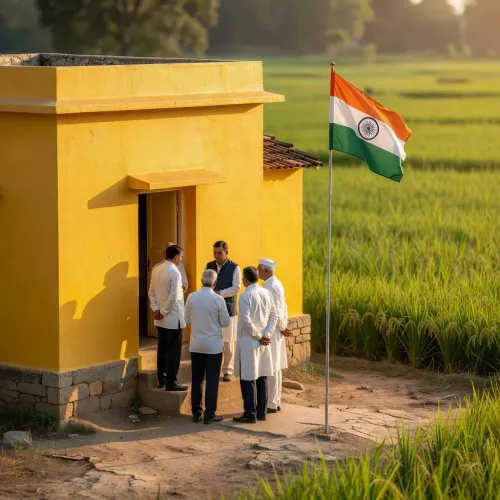
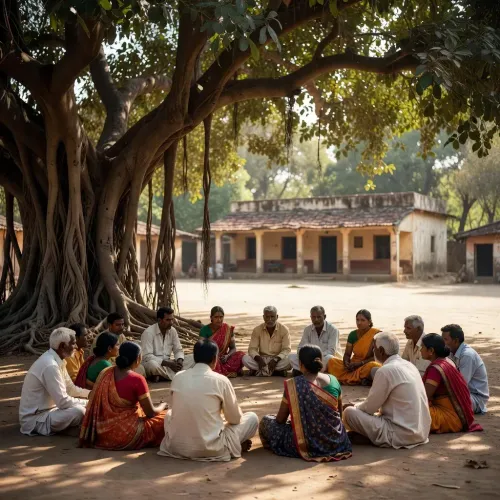
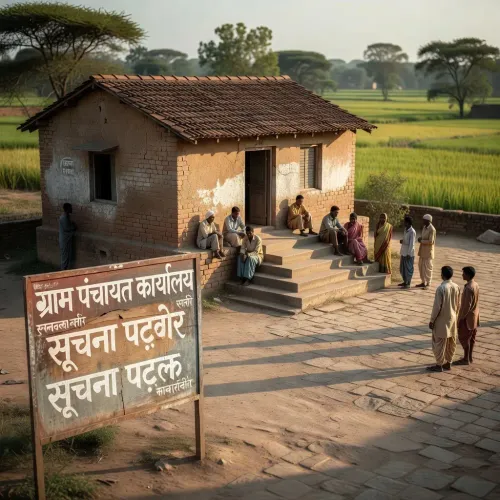
In his post, CM Choudhary wrote that the scheme's approval is 'स्थानीय स्वशासन को सुदृढ़ करने की दिशा में एक महत्वपूर्ण पहल' — 'an important initiative toward strengthening local self-governance.' The numbers behind that phrase are substantial: PM VGSY is designed to reach more than 2.55 lakh panchayats and traditional local bodies, and its most direct beneficiaries will be the 32 lakh elected representatives who run them — from sarpanches in Bihar's floodplains to ward members in Rajasthan's desert blocks.
What PM VGSY Promises for India's Panchayats
The scheme sits squarely within a three-decade constitutional mandate. The 73rd Constitutional Amendment Act of 1992 gave panchayats formal status and required regular elections, but capacity and funding gaps have long blunted their effectiveness. PM VGSY is framed as a structural answer to that gap — channelling resources toward governance training, institutional strengthening, and functional devolution at the village level.
It builds on the Rashtriya Gram Swaraj Abhiyan, launched in 2018, which similarly targeted the capacity of panchayati raj institutions. Where that programme laid the foundation, PM VGSY is positioned as the scale-up — broader in reach, larger in outlay, and explicitly tied to the 'Viksit Bharat' development framework.
Why Bihar's CM is Watching This Closely
Bihar has one of India's densest panchayat networks, with thousands of gram panchayats serving a largely rural population. For a state where grassroots governance directly shapes the delivery of welfare schemes — from ration distribution to MNREGS wages — the quality and training of elected representatives is not an administrative footnote. It is the difference between a scheme landing and a scheme failing.
CM Choudhary's endorsement, framed under the #CabinetDecisions hashtag, signals BJP state leadership rallying behind the Centre's governance agenda. The real test will come in the rollout: how state-wise fund allocation guidelines are drawn up and how training modules for the 32 lakh representatives are actually deployed on the ground.
Thirty-two lakh people govern India's villages. A scheme designed to sharpen their skills — and backed by over seven thousand crore rupees — could quietly reshape the last mile of Indian democracy.
Point of View
Moving from constitutional intent to funded capacity-building at scale. For the BJP, tying a Rs 7,395 crore outlay to the 'Viksit Bharat' narrative ahead of the political cycle is a deliberate signal that rural governance is being treated as delivery infrastructure, not just electoral vocabulary. CM Choudhary's swift endorsement positions Bihar's ruling dispensation as a willing implementation partner, raising the stakes for demonstrable outcomes. The scheme's true test will be whether the training and resource pipeline reaches the 32 lakh representatives who need it most — or dissipates in the layers between New Delhi and the gram sabha.
NationPress
28 Oct 2026
Frequently Asked Questions
What is PM Viksit Gram Swaraj Yojana (PM VGSY)?
PM Viksit Gram Swaraj Yojana is a central government scheme approved by the Union Cabinet with an outlay of Rs 7,395.55 crore. It aims to strengthen local self-governance by building the capacity of panchayats, traditional local bodies, and their elected representatives across India.
How much money has been approved for PM VGSY?
The Union Cabinet approved PM VGSY with a total financial outlay of Rs 7,395.55 crore.
How many panchayats and representatives will benefit from PM VGSY?
The scheme is designed to benefit more than 2.55 lakh panchayats and traditional local bodies, along with 32 lakh elected representatives serving in them.
Why did Bihar CM Samrat Choudhary praise PM VGSY?
CM Samrat Choudhary called PM VGSY an important initiative toward strengthening local self-governance and accelerating comprehensive rural development, crediting Prime Minister Narendra Modi's leadership for the Cabinet decision.
What earlier schemes does PM VGSY build on?
PM VGSY builds on the policy legacy of the 73rd Constitutional Amendment Act of 1992, which granted panchayats constitutional status, and the Rashtriya Gram Swaraj Abhiyan launched in 2018 to strengthen panchayati raj institutions.