CM Samrat Choudhary Clears Bihar Green Hydrogen Policy 2026
Synopsis
Bihar CM Samrat Choudhary announced cabinet approval of the draft Bihar Harit Hydrogen Niti 2026, aimed at promoting green hydrogen production, investment, and use — aligning the state with India's National Green Hydrogen Mission and its 2030 target of 5 million tonnes annually.
Key Takeaways
Bihar cabinet approved the draft Bihar Harit Hydrogen Niti, 2026 on September 30, 2026 .
The policy targets green hydrogen production, investment, and usage within the state.
The move aligns with the central government's National Green Hydrogen Mission (launched 2023), which targets 5 million tonnes of annual green hydrogen production by 2030 .
Bihar joins a growing list of Indian states drafting complementary hydrogen policies to attract private sector investment.
The policy is currently in draft form; the final notification and any pilot project announcements are the next key milestones to watch.
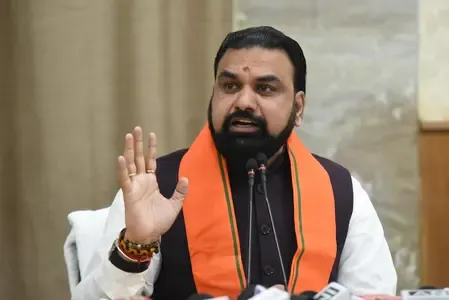
Bihar has just placed itself on India's green energy map. Bihar Chief Minister Samrat Choudhary announced on Wednesday, September 30, 2026, that the state cabinet has approved the draft of the 'Bihar Harit Hydrogen Niti, 2026' — a dedicated policy framework aimed at promoting green hydrogen production, investment, and usage across the state.
Posting on X under the hashtag #CabinetDecisions, CM Choudhary stated that the approval is intended 'rajya mein harit hydrogen ke utpadan, nivesh aur upyog ko badhawa dene' — 'to promote the production, investment and use of green hydrogen in the state.' The move signals Bihar's intent to actively participate in India's clean energy transition, moving well beyond its traditional image as an agriculture-dependent economy.
Bihar steps into India's green hydrogen race
The Bihar cabinet's decision does not arrive in a vacuum. The National Green Hydrogen Mission, launched by the Government of India in 2023, set an ambitious national target of producing 5 million tonnes of green hydrogen annually by 2030. That central mission created the architecture; states are now being expected to build the walls. Bihar is now among the states drafting complementary frameworks to attract private capital into production facilities and supporting infrastructure.
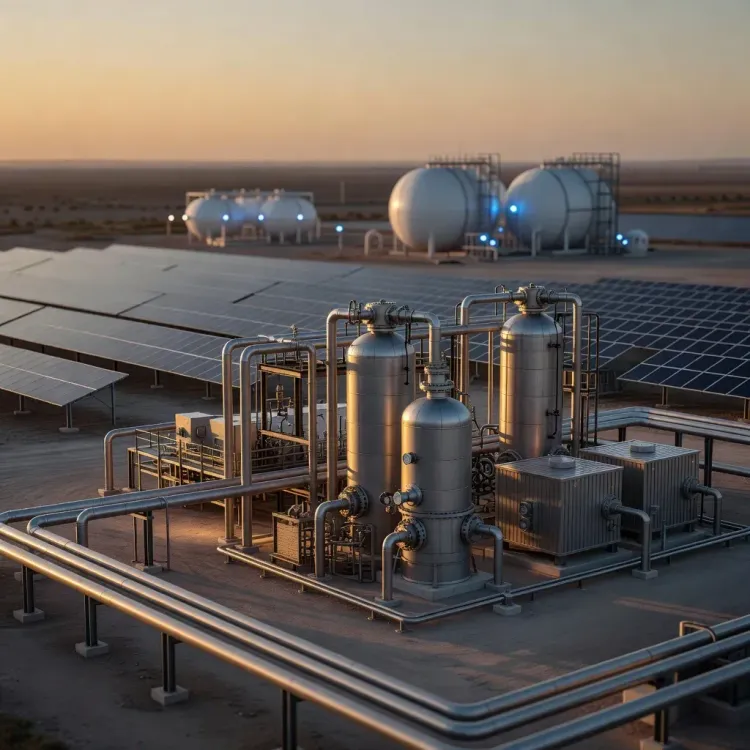
Green hydrogen — produced by splitting water using electricity from renewable sources — sits at the heart of India's strategy to decarbonise hard-to-abate sectors like fertilisers, steel, and heavy transport. It also underpins India's broader pledge to reach net-zero emissions by 2070. For a state like Bihar, which has significant agricultural demand for fertilisers and growing industrial ambitions, a dedicated hydrogen policy could open a direct pipeline to both green investment and energy security.
What the draft policy is designed to do
The approved draft sets out a framework specifically targeting three levers: production of green hydrogen within Bihar, investment attraction from the renewable energy and industrial sectors, and end-use promotion across eligible industries. The policy is currently in draft form — the final version, along with any announced incentive structures or pilot projects, will be the next critical marker to watch.
Renewable energy investors and industrial consumers are the primary stakeholders this policy is designed to engage. Bihar's cabinet clearance of the draft is the first formal step; the real test will come when the final policy is notified and the government signals how it plans to translate intent into operational projects on the ground.
India's green hydrogen story is now being written state by state — and Bihar has just picked up the pen.
Point of View
The policy also serves a political-economic purpose: repositioning Bihar as an investment destination in the clean energy value chain, not merely an agrarian economy. The draft-stage approval is just the opening bid; the real signal of seriousness will come with the incentive structure and whether anchor investors follow. If Bihar can attract even one large-scale green hydrogen or green ammonia project, the policy will have justified itself — and set a template for the Hindi heartland.
NationPress
30 Sept 2026
Frequently Asked Questions
What is the Bihar Green Hydrogen Policy 2026?
The Bihar Harit Hydrogen Niti 2026 is a state government policy framework approved in draft form by the Bihar cabinet on September 30, 2026, designed to promote the production, investment, and use of green hydrogen within the state.
Who announced the Bihar Green Hydrogen Policy?
Bihar Chief Minister Samrat Choudhary announced the cabinet approval of the draft policy on September 30, 2026, via a post on X.
How does Bihar's policy connect to the National Green Hydrogen Mission?
India's National Green Hydrogen Mission, launched in 2023, targets 5 million tonnes of green hydrogen production annually by 2030. Bihar's state-level policy is designed to complement this central mission by attracting investment and enabling production at the state level.
What is green hydrogen and why does it matter for Bihar?
Green hydrogen is produced by splitting water using electricity from renewable energy sources, emitting no carbon. For Bihar, it matters because the state has significant fertiliser demand from agriculture and growing industrial activity — both sectors where green hydrogen can reduce dependence on fossil fuels.
What happens next after the Bihar cabinet approved the green hydrogen policy draft?
The policy is currently in draft form. The next steps to watch are the notification of the final policy, the announcement of specific incentive structures, and any pilot projects or investment proposals from the renewable energy or industrial sectors.