CM Samrat Choudhary: Gaya tops India under PM farm scheme
Synopsis
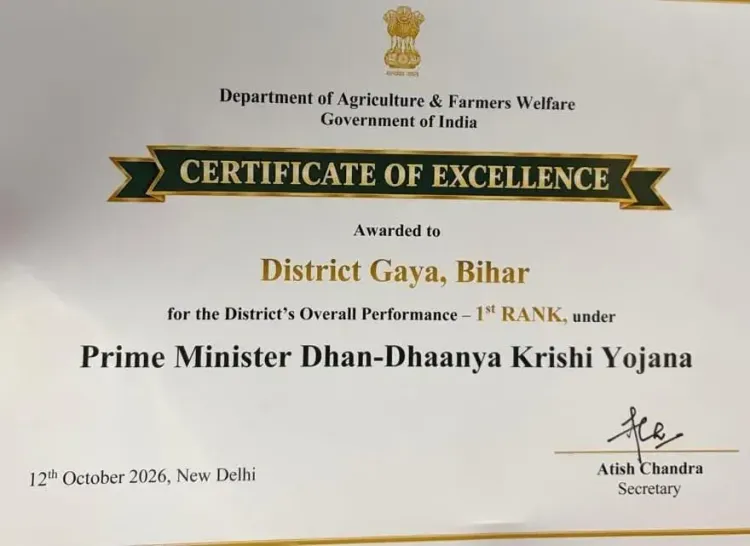
Bihar Chief Minister Samrat Choudhary announced on 13 October 2026 that Gaya district has secured first place nationally under the Pradhan Mantri Dhan-Dhanya Krishi Yojana, crediting PM Modi and Union Minister Shivraj Singh Chouhan for the push on agricultural development.
Key Takeaways
Gaya district has ranked first in India under the Pradhan Mantri Dhan-Dhanya Krishi Yojana (PMDDKY) , as announced by Bihar CM Samrat Choudhary on 13 October 2026 .
The ranking is based on performance across multiple agricultural development parameters and effective scheme implementation.
PMDDKY aims to boost farm productivity, improve farmer facilities, and strengthen rural economic conditions.
CM Choudhary credited PM Narendra Modi and Union Agriculture Minister Shivraj Singh Chouhan for central guidance and support.
The achievement marks a significant step for Bihar's agricultural governance scorecard in centrally-sponsored schemes.
Subsequent district-level ranking cycles will test whether Gaya can sustain its top position and whether other Bihar districts can replicate its performance.
Gaya district has punched its way to the top of a national ranking — and Bihar Chief Minister Samrat Choudhary wants the country to know it. On Tuesday, 13 October 2026, the CM announced that Gaya had secured first place across India under the Pradhan Mantri Dhan-Dhanya Krishi Yojana (PMDDKY), a central government scheme designed to raise agricultural productivity and strengthen rural incomes.
Gaya's national-first finish under PMDDKY
In his post, CM Choudhary wrote: 'Gaya ji jile ne deshbhar mein pratham sthan prapt kar Bihar ko gauranvit kiya hai' — 'Gaya district has made Bihar proud by securing first place across the country.' He attributed the achievement to strong performance across 'various agricultural development parameters' and effective on-the-ground implementation of the scheme.
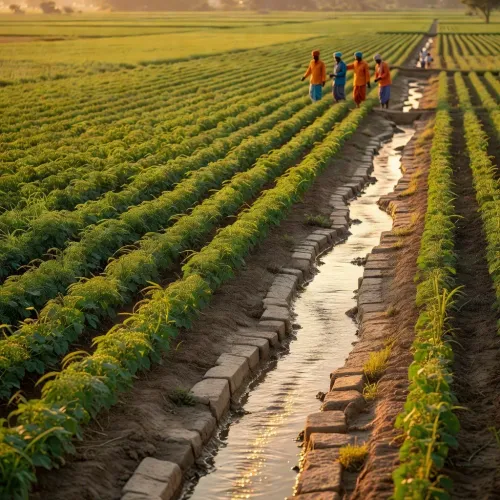
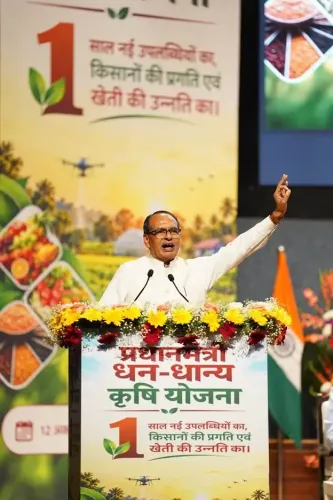
The Pradhan Mantri Dhan-Dhanya Krishi Yojana is a centrally-driven initiative focused on boosting farm productivity, improving facilities available to farmers, and reinforcing the economic foundations of rural households. District-level performance rankings under such schemes serve as a key accountability and publicity mechanism — states compete openly, and topping the chart carries both administrative and political weight.
Central leadership and Bihar's rural push
CM Choudhary directly credited Prime Minister Narendra Modi for his guidance, and Union Minister for Agriculture, Farmers Welfare and Rural Development Shivraj Singh Chouhan for his support in driving the initiative. 'The efforts to strengthen the welfare of farmers, the comprehensive development of the agricultural sector, and the empowerment of the rural economy are continuously gaining momentum,' Choudhary said.
Bihar has historically been a significant participant in centrally-sponsored agricultural programmes, given its large rural population and substantial farming community. A number-one national rank for any of its districts marks a conspicuous step up in the state's implementation scorecard — and a signal that district administration in Gaya is translating policy intent into measurable outcomes.
What Gaya's ranking means on the ground
For Gaya's farmers, the ranking is more than a trophy — it reflects a pipeline of investments: better facilities, improved productivity inputs, and targeted economic support. The broader pattern across India's agricultural governance is clear: districts that top central scheme rankings tend to attract follow-on attention from state and central reviewers, which can translate into additional resources and focused visits.
Bihar's political leadership has consistently highlighted such milestones as proof of governance delivery — a narrative that carries particular resonance ahead of any state-level political cycle. The spotlight is now on whether Gaya's first-place showing can be sustained in subsequent ranking cycles, and whether other Bihar districts can replicate the model.
Point of View
Publicly attributing the success to PM Modi and Shivraj Singh Chouhan is textbook coalition reinforcement: it ties state-level achievement tightly to the central leadership brand. The broader arc here is India's shift toward competitive, rankings-driven federalism in social and agricultural schemes, where districts are increasingly incentivised to outperform each other on measurable indicators. Whether Gaya's ranking translates into sustained on-ground improvement for its farming households — rather than a one-cycle administrative sprint — is the real question to track.
NationPress
13 Oct 2026
Frequently Asked Questions
What is the Pradhan Mantri Dhan-Dhanya Krishi Yojana (PMDDKY)?
PMDDKY is a central government agricultural scheme focused on increasing farm productivity, improving facilities for farmers, and strengthening the rural economy across India.
Why has Gaya district ranked first in India under PMDDKY?
Bihar CM Samrat Choudhary stated that Gaya ranked first nationally due to outstanding performance across various agricultural development parameters and effective implementation of the scheme at the district level.
Who is Samrat Choudhary?
Samrat Choudhary is the Chief Minister of Bihar and a senior BJP leader who has been vocal about showcasing Bihar's performance under central government schemes.
What role did PM Modi and Shivraj Singh Chouhan play in Gaya's achievement?
CM Choudhary credited PM Narendra Modi's guidance and Union Agriculture Minister Shivraj Singh Chouhan's support as key drivers behind the momentum in farmer welfare and agricultural development in Bihar.
What does the PMDDKY ranking mean for Gaya's farmers?
The top national ranking reflects targeted investments in better agricultural facilities, improved productivity inputs, and economic support for farmers in Gaya, and may attract further attention and resources from state and central reviewers.