CM Samrat Choudhary Launches DBT Social Security Pension Transfer
Synopsis
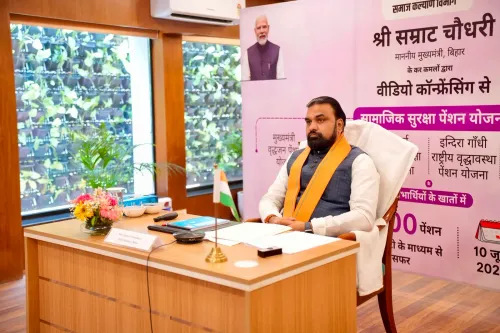
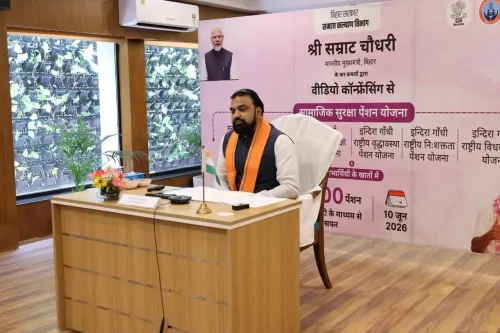
Bihar Chief Minister Samrat Choudhary on 10 July 2026 presided over a live programme transferring social security pensions directly into beneficiaries' bank accounts via DBT, advancing the state's digital welfare delivery under India's JAM trinity framework.
Key Takeaways
Bihar CM Samrat Choudhary held a live programme on 10 July 2026 for DBT-based social security pension transfers.
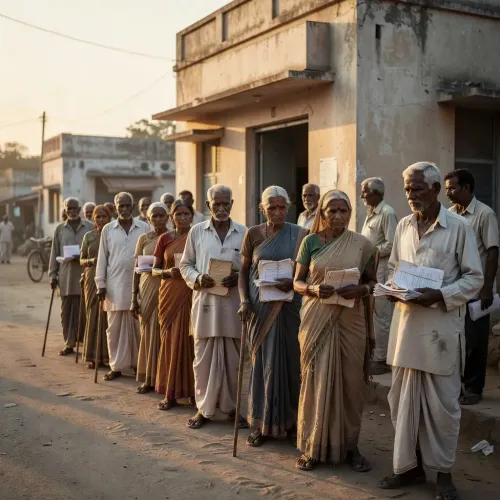
The programme targets elderly citizens, widows, and persons with disabilities who receive monthly state pensions.
Bihar's DBT pension drive is part of India's broader JAM trinity framework, active since 2014–15 .
The DBT Mission was formalised in 2013 to eliminate leakages estimated at 30–40 per cent in manual welfare systems.
Pension funds flow under schemes including the National Social Assistance Programme (NSAP) , jointly funded by centre and state.
Future milestones include potential pension amount revisions in the next Bihar budget and updates to NSAP portal integration.
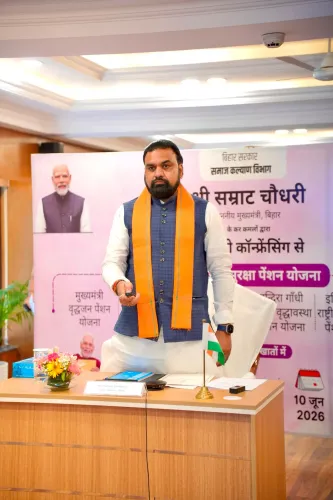
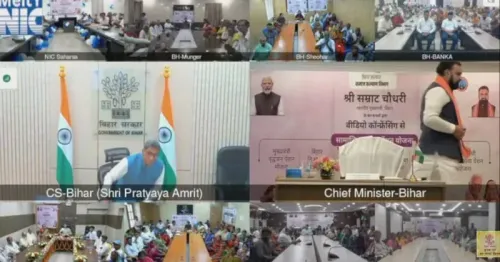
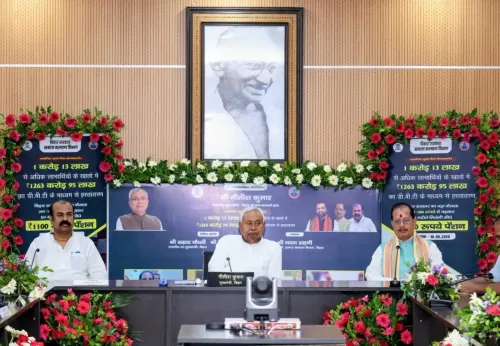
Bihar Chief Minister Samrat Choudhary on Friday, 10 July 2026, presided over a live programme for the transfer of social security pension amounts directly into beneficiaries' bank accounts through the Direct Benefit Transfer (DBT) mechanism, marking a significant step in the state's digital welfare delivery drive.
Context
The Chief Minister shared a live broadcast link on social media announcing the event, captioned 'DBT ke madhyam se samajik suraksha pension rashi ka antaran karyakram' ('Programme for transfer of social security pension amount through DBT'). The event underlines Bihar's continued push to route welfare payments electronically, bypassing intermediaries and reducing delays for vulnerable citizens.
Social security pensions in Bihar cover elderly citizens, widows, and persons with disabilities, funded jointly by the central and state governments under schemes including the National Social Assistance Programme (NSAP). These monthly payments represent a critical income source for some of the state's most economically marginalised households.
Policy Backdrop
The DBT Mission, formalised under the Cabinet Secretariat from 2013 onward, was designed to link Aadhaar, bank accounts, and mobile numbers to ensure welfare funds reach intended recipients without leakage. Estimates from the early years of the programme suggested that manual welfare distribution systems suffered leakages of between 30 and 40 per cent across states, including Bihar.
The broader framework driving this shift is India's JAM trinity — Jan Dhan bank accounts, Aadhaar biometric identity, and Mobile connectivity — launched as a national policy architecture in 2014–15. Bihar's adoption of DBT for social pensions fits squarely within this decade-long national trajectory toward digital-first governance.
Stakeholders and Impact
The primary beneficiaries of this transfer programme are elderly citizens, widows, and persons with disabilities across Bihar who rely on monthly pension disbursements for basic subsistence. Direct electronic transfer eliminates the need for beneficiaries to visit government offices or depend on local intermediaries, which has historically been a source of both delay and corruption.
For the state administration, DBT-linked pension transfers generate a verifiable digital trail, enabling real-time tracking of disbursements and simplifying audit processes. The programme also strengthens financial inclusion by anchoring more rural and semi-urban households to formal banking infrastructure.
What's Next
Analysts tracking Bihar's welfare architecture will watch for any announcements on expansion of pension coverage or upward revision of pension amounts in the next state budget cycle. Integration updates with the central NSAP portal and state-level DBT performance audits will also be key indicators of how effectively this round of transfers reaches its intended recipients.
As Bihar deepens its reliance on digital infrastructure for welfare delivery, the success of programmes like this one will likely inform the state's broader social protection strategy heading into the next fiscal year.
Point of View
Not merely a bureaucratic exercise. By livestreaming the disbursement, the administration is making transparency itself a governance message — a pattern consistent with the BJP's national playbook of making DBT transfers visible and attributable to elected leadership. The move also reflects competitive federalism: Bihar has historically lagged on social welfare delivery metrics, and demonstrating real-time digital disbursement helps reposition the state's administrative image. Longer term, the depth of Aadhaar-bank linkage penetration in rural Bihar will determine whether the political optics translate into genuine last-mile impact.
NationPress
10 Jul 2026
Frequently Asked Questions
What is the DBT social security pension programme in Bihar?
It is a system under which monthly pension amounts for elderly citizens, widows, and persons with disabilities are transferred directly into their Aadhaar-linked bank accounts, bypassing intermediaries and reducing payment delays.
Who are the beneficiaries of Bihar's social security pension?
The primary beneficiaries are elderly citizens, widows, and persons with disabilities who qualify under state and central schemes including the National Social Assistance Programme (NSAP).
What is the DBT Mission and when was it launched?
The Direct Benefit Transfer Mission was formalised under India's Cabinet Secretariat from 2013 onward to electronically route welfare payments using Aadhaar, bank accounts, and mobile numbers, aiming to cut leakages of 30–40 per cent seen in manual systems.
What is the JAM trinity and how does it relate to Bihar's pension transfers?
JAM stands for Jan Dhan bank accounts, Aadhaar biometric identity, and Mobile connectivity — a national policy framework launched in 2014–15. Bihar's DBT pension programme uses this infrastructure to ensure funds reach intended recipients digitally.
What should we watch for after Bihar's DBT pension transfer event?
Key developments to track include any pension amount revisions in the next Bihar state budget, expansion of beneficiary coverage, and updates to integration with the central NSAP portal.