CM Samrat Choudhary Orders Bihar Groundwater Policy Draft
Synopsis
Bihar Chief Minister Samrat Choudhary, chairing a review of the Minor Water Resources Department on 22 June 2026, directed officials to swiftly draft a groundwater policy covering conservation, management and sustainable use — a significant step for a state facing aquifer stress and arsenic contamination risks across the Gangetic plains.
Key Takeaways
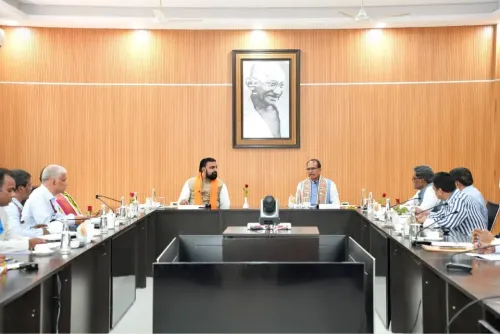
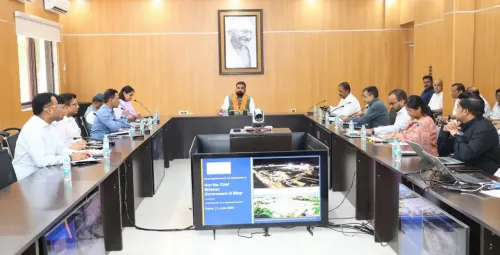
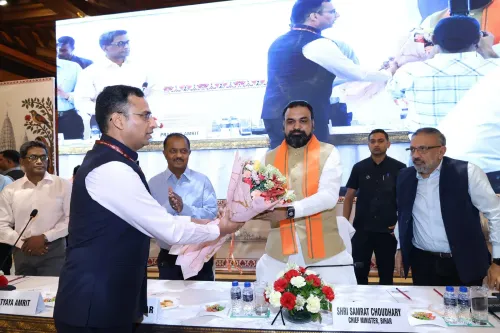
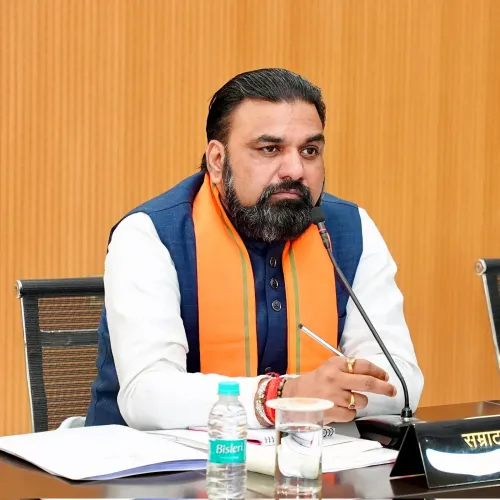
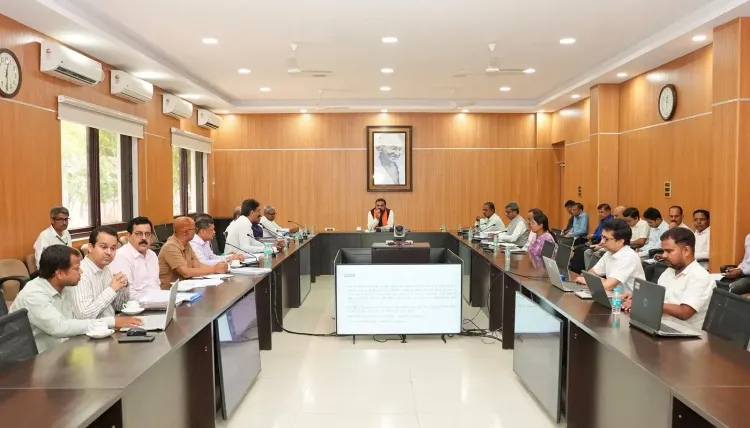
CM Samrat Choudhary chaired a review meeting of Bihar's Minor Water Resources Department on 22 June 2026 at Sankalp Sabhagar, Lok Sevak Avas, Patna .
He directed officials to prepare a groundwater policy at the earliest for conservation, management and sustainable use of the state's groundwater resources.
Bihar currently lacks a standalone state groundwater policy, despite heavy agricultural and domestic dependence on aquifers across the Gangetic plains .
The state faces dual pressures: intensive extraction for paddy cultivation and arsenic contamination in shallow aquifers in several districts.
The Minor Water Resources Department is expected to lead the drafting process, potentially building on the central government's Atal Bhujal Yojana framework.
The policy's scope — whether it will include enforceable extraction limits or remain advisory — will be a key factor to watch in the drafting stage.
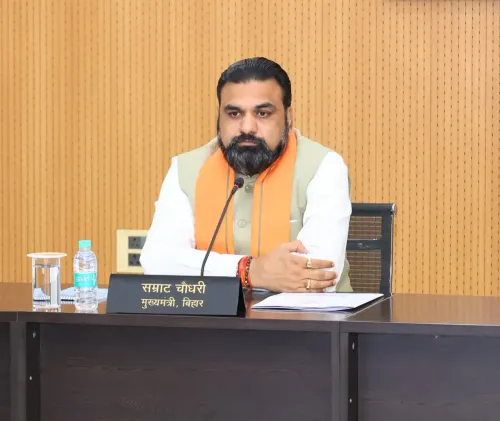
The Chief Minister's Office of Bihar announced on 23 June 2026 that Chief Minister Samrat Choudhary chaired a review meeting of the Minor Water Resources Department on 22 June 2026 at Sankalp Sabhagar, located at Lok Sevak Avas in Patna. At the meeting, he directed officials to expeditiously draft a comprehensive groundwater policy for the state of Bihar.
Context
The Chief Minister's Office posted in Hindi, stating that 'भू-जल संसाधनों के संरक्षण, प्रबंधन एवं सतत उपयोग के लिए शीघ्र भू-गर्भ जल नीति तैयार करने का निर्देश दिया' — meaning CM Choudhary instructed officials to 'prepare a groundwater policy at the earliest for the conservation, management and sustainable use of groundwater resources.' The meeting was a formal departmental review, attended by senior officials of the Minor Water Resources Department.
The directive signals that Bihar is moving toward a dedicated state-level legal and administrative framework for groundwater — a resource that underpins both drinking water supply and agricultural irrigation across the state's vast Gangetic plains.
Policy Backdrop
India's National Water Policy 2012 had already called on states to adopt sustainable groundwater management frameworks and establish regulatory mechanisms. Several states in the Indo-Gangetic belt have since undertaken aquifer mapping exercises and enacted groundwater legislation, but Bihar has not yet had a standalone groundwater policy in place.
The urgency is compounded by well-documented stresses on the region's aquifers: intensive paddy cultivation drives heavy extraction during dry months, while concerns over arsenic contamination in shallow aquifers across districts such as Bhojpur, Patna, and Vaishali have posed public health risks for rural households. Climate-driven variability in monsoon recharge further strains the resource base.
Central government schemes, including the Atal Bhujal Yojana, have promoted community-led groundwater management and aquifer mapping in water-stressed blocks, providing a framework that a new Bihar policy could build upon.
Stakeholders and Impact
Farmers represent the largest stakeholder group, as groundwater accessed through tubewells and minor irrigation structures is the primary source of irrigation for rabi and dry-season kharif crops across the state. A well-designed policy could introduce extraction limits, recharge mandates, and licensing mechanisms that affect millions of cultivators.
Rural households dependent on handpumps and shallow wells for drinking water stand to benefit from provisions addressing contamination and aquifer health. The Minor Water Resources Department, which oversees the state's network of tubewells, check dams, and minor irrigation channels, will be the primary implementing body and is expected to lead the drafting process.
What's Next
Officials are expected to circulate a draft groundwater policy for internal review before it undergoes stakeholder consultation. The policy is likely to address aquifer zoning, extraction regulation, recharge promotion, and integration with existing minor irrigation programmes. Observers will watch whether the draft sets enforceable extraction limits or remains advisory in character.
Bihar's initiative, if followed through with legislation, could serve as a model for other eastern Indian states grappling with similar groundwater stress in the Indo-Gangetic region.
Point of View
A state that has long deferred such regulation despite acute aquifer stress. The move aligns with a broader national pattern in which Indo-Gangetic states are being nudged — through central schemes and ecological pressure — toward formal groundwater governance. The real test will lie in the policy's teeth: whether it introduces binding extraction norms or remains a framework document with limited enforcement. For a state where agriculture is the backbone of the rural economy, any regulation of tubewell access will require careful political calibration alongside ecological necessity.
NationPress
23 Jun 2026
Frequently Asked Questions
What did Bihar CM Samrat Choudhary announce about groundwater?
CM Samrat Choudhary directed the Minor Water Resources Department on 22 June 2026 to urgently prepare a groundwater policy for Bihar covering conservation, management and sustainable use of the state's groundwater resources.
Why does Bihar need a groundwater policy?
Bihar's Gangetic plains face heavy groundwater extraction for agriculture, arsenic contamination in shallow aquifers in several districts, and climate-driven variability in monsoon recharge — all of which make a regulatory framework necessary.
What is Bihar's Minor Water Resources Department?
The Minor Water Resources Department is the Bihar government body responsible for minor irrigation infrastructure including tubewells, check dams and local water structures, and will lead the groundwater policy drafting process.
What is the Atal Bhujal Yojana and how does it relate to Bihar's groundwater policy?
The Atal Bhujal Yojana is a central government scheme promoting community-led groundwater management and aquifer mapping in water-stressed areas; Bihar's new policy is expected to align with or build upon this framework.
When was the Bihar groundwater policy review meeting held?
The review meeting was held on 22 June 2026 at Sankalp Sabhagar, Lok Sevak Avas, Patna, and was chaired by Chief Minister Samrat Choudhary.