CM Samrat Choudhary transfers Rs 200 cr farm relief to 3.96 lakh Bihar farmers
Synopsis
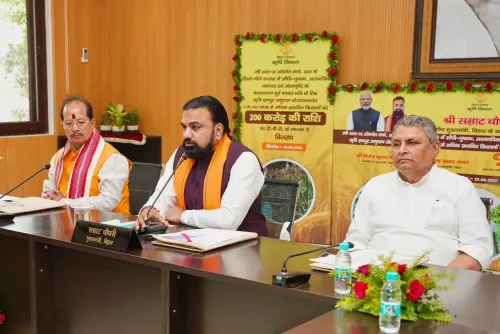
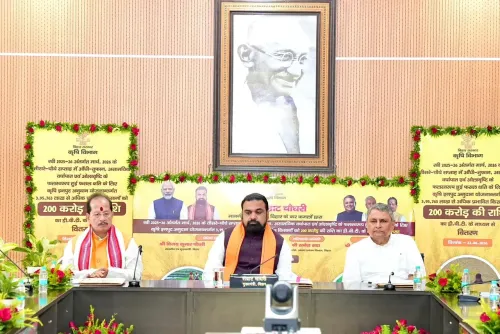
Bihar Chief Minister Samrat Choudhary transferred over Rs 200 crore in agricultural input subsidy to more than 3.96 lakh farmers affected by storms, unseasonal rain, and hailstorms during Rabi 2025-26, using the Direct Benefit Transfer mechanism.
Key Takeaways
Rs 200 crore-plus in agricultural input subsidy disbursed in a single online transfer on 22 June 2026 .
Over 3.96 lakh farmers across Bihar received funds directly in their bank accounts via DBT .
Relief covers damage from storms, unseasonal rainfall, and hailstorms during the Vasantik (Rabi) 2025-26 season.
Announcement made from Lok Sevak Awas , CM Samrat Choudhary's official residence in Patna.
Bihar has a recurring history of state-level input subsidy packages for weather-induced Rabi crop losses.
The disbursement complements central schemes like PM-KISAN as part of a layered agricultural welfare framework.
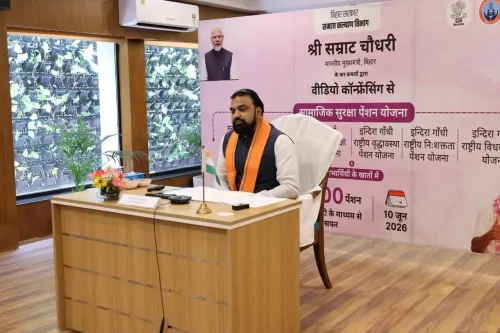
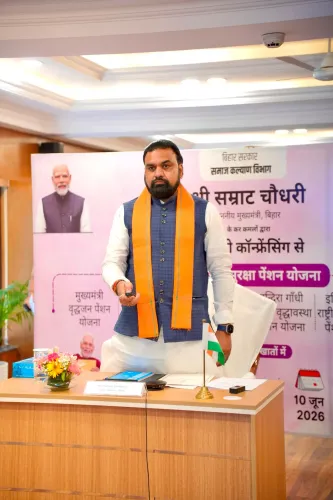
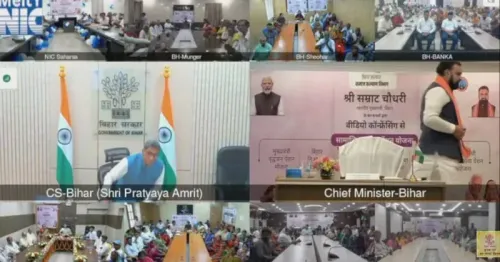
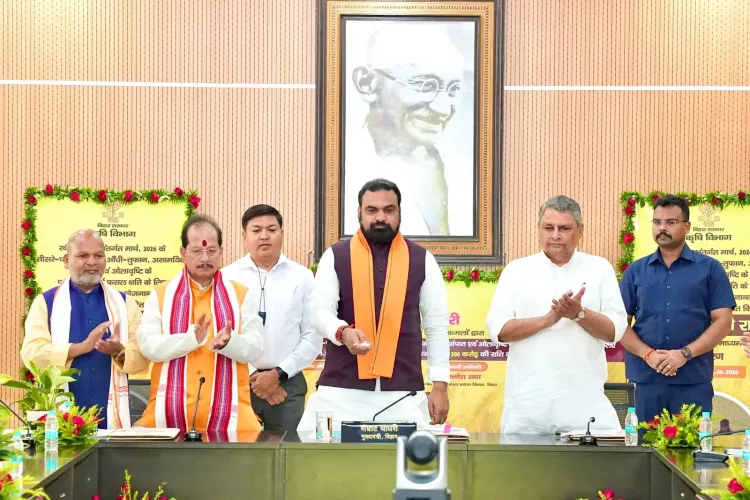
Bihar Chief Minister Samrat Choudhary on Monday, 22 June 2026, initiated an online transfer of more than Rs 200 crore in agricultural input subsidy directly into the bank accounts of over 3.96 lakh farmers affected by storms, unseasonal rainfall, and hailstorms during the Vasantik (Rabi) 2025-26 season, using the Direct Benefit Transfer (DBT) mechanism. The disbursement was announced from Lok Sevak Awas, the Chief Minister's official residence in Patna.
Context
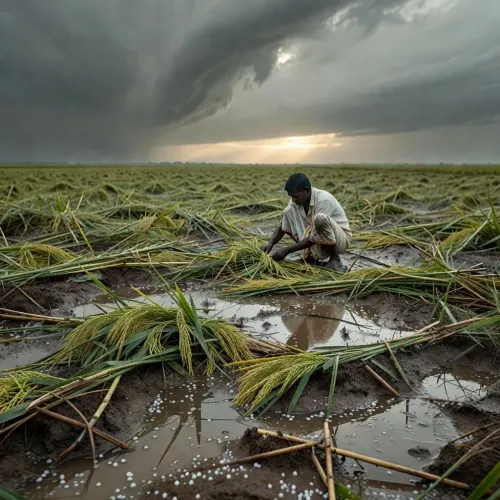
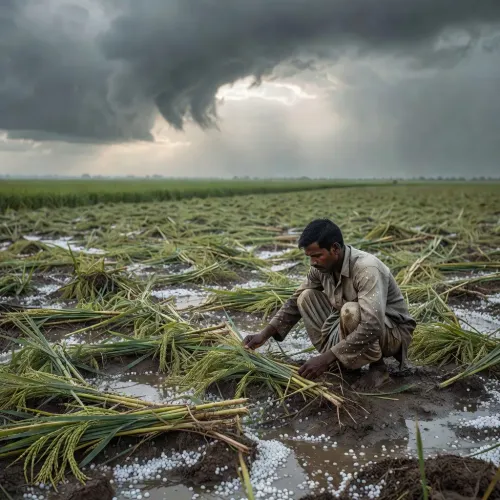
In his post, CM Choudhary stated — 'किसानों के हितों की रक्षा, कृषि सुरक्षा और उनकी समृद्धि के लिए बिहार सरकार हर परिस्थिति में अन्नदाताओं के साथ मजबूती से खड़ी है' — ('For the protection of farmers' interests, agricultural security, and their prosperity, the Bihar government stands firmly with the food providers in every circumstance'). The announcement covers damage caused by aandhi-toofan (storms), asamayik varshapat (unseasonal rain), and olavrishti (hailstorms) during the Rabi season.
Bihar is a predominantly agrarian state in eastern India where Rabi crops — primarily wheat, maize, and pulses — are regularly vulnerable to late-season weather shocks across the Gangetic plains. The state has historically activated input subsidy packages in the aftermath of such events, including similar relief measures in 2023-24 following hailstorm damage.
Policy Backdrop
The transfer was routed through the Direct Benefit Transfer (DBT) architecture, the central government mechanism introduced to deliver subsidies and grants directly into verified beneficiary bank accounts, eliminating intermediaries and reducing leakage. This approach has been the backbone of agricultural welfare delivery across Indian states since the mid-2010s.
The move aligns with the broader national framework anchored by schemes such as PM-KISAN, launched in 2019, which provides annual income support to landholding farmers. State-level input subsidies for crop damage complement such central transfers, forming a layered relief net. Neighbouring states including Uttar Pradesh and Madhya Pradesh operate comparable Rabi crop compensation mechanisms.
Stakeholders and Impact
The immediate beneficiaries are 3.96 lakh-plus farmers across Bihar whose crops sustained weather-related damage during the Rabi 2025-26 cycle. The per-farmer average payout works out to roughly Rs 5,000 based on the disclosed aggregate, though individual amounts vary by land holding and damage assessment under state norms.
For small and marginal farmers — who constitute the majority of Bihar's agricultural households — timely account-based transfers are critical to funding the next sowing cycle. Delayed or opaque relief has historically been a source of rural distress in the state, making the speed and digital traceability of this disbursement a significant operational detail.
What's Next
Attention will now shift to the Kharif 2026 sowing season, with the state agriculture department expected to monitor crop coverage and any residual impact of the Rabi losses on farmer preparedness. Any supplementary budget allocations for expanded crop insurance or additional relief will be a key indicator of the government's follow-through on its stated commitment to #KisanKalyan.
The Bihar government's use of high-visibility DBT events — announced directly by the Chief Minister — also signals a political communication strategy ahead of potential electoral cycles, reinforcing the administration's positioning as a responsive protector of agrarian interests under the #SamriddhBihar and #VikasitBharat agenda.
Point of View
Choudhary is also reinforcing his identity as a hands-on administrator, a posture that carries weight in a state where agrarian grievances have historically shaped electoral outcomes. The move mirrors similar high-visibility relief events in Uttar Pradesh and Madhya Pradesh, suggesting a convergent BJP state-government playbook on farmer welfare optics. Whether this translates into structural improvements — better crop insurance penetration, faster damage assessment — will be the real test of the #KisanKalyan commitment.
NationPress
22 Jun 2026
Frequently Asked Questions
How much money did Bihar government give to farmers in June 2026?
Bihar Chief Minister Samrat Choudhary transferred more than Rs 200 crore in agricultural input subsidy to over 3.96 lakh farmers on 22 June 2026 via Direct Benefit Transfer (DBT) for Rabi 2025-26 crop damage.
Which farmers are eligible for Bihar agricultural input subsidy after hailstorm?
Farmers whose crops were damaged by storms, unseasonal rainfall, or hailstorms during the Rabi season are eligible for Bihar's agricultural input subsidy, assessed and disbursed by the state agriculture department through the DBT mechanism.
What is DBT in agriculture and how does it work in Bihar?
Direct Benefit Transfer (DBT) is a central government mechanism that routes subsidies and grants directly into verified beneficiaries' bank accounts, bypassing intermediaries. Bihar uses it to disburse crop damage relief and other farm support payments quickly and transparently.
What is the Rabi crop season in Bihar?
The Rabi (or Vasantik) season in Bihar runs roughly from October-November through March-April , with wheat, maize, and pulses as key crops. It is distinct from the Kharif (monsoon) season and is vulnerable to late-season hailstorms and unseasonal rain.
Who is Samrat Choudhary and what is his role in Bihar?
Samrat Choudhary is the Chief Minister of Bihar and a senior leader of the Bharatiya Janata Party (BJP) , responsible for the state's governance including agricultural welfare and relief programmes.