Kerala's Mission Samudra: Govt land as equity to drive port investment

Synopsis
Kerala is flipping the port investment script: instead of funding projects from the state budget, CM Satheesan wants to put government land on the table as equity, pair it with 45-year concessions, and let private capital do the heavy lifting. Mission Samudra is the most ambitious maritime overhaul the state has attempted, stretching from a ₹3,200 crore Vizhinjam ring road to cruise routes linking Kerala to Dubai and the Maldives.
Key Takeaways
Satheesan introduced the Kerala Maritime Board (Amendment) Bill, 2026 in the Assembly on 14 October 2026 .
The government will offer state-owned land as equity in port projects instead of fully funding them from the budget.
Port concessions of up to 45 years are proposed to attract investors.
The Bill places the Chief Minister at the helm of the Kerala Maritime Board for faster decision-making.
A ₹3,200 crore ring road linked to Vizhinjam port is part of the Mission Samudra blueprint.
Cruise terminals at Kochi and Kozhikode and passenger services to Dubai, Maldives, and Sri Lanka are envisaged.
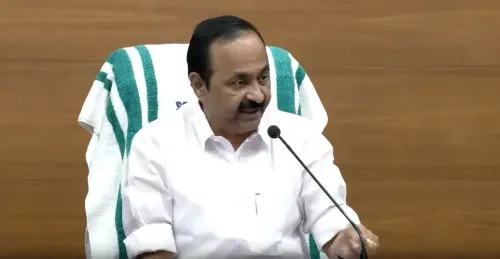
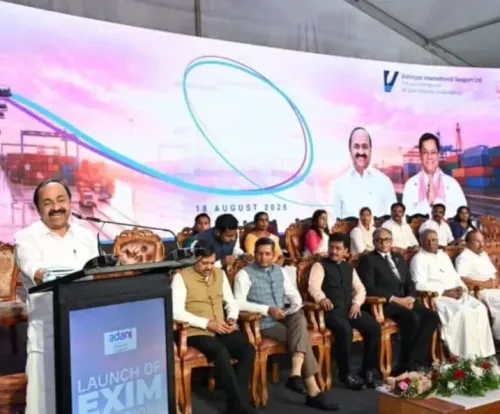
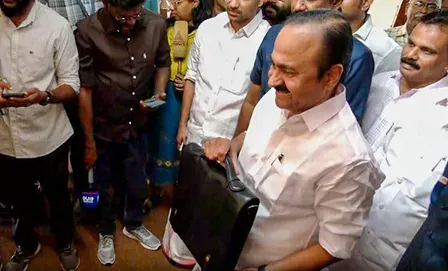
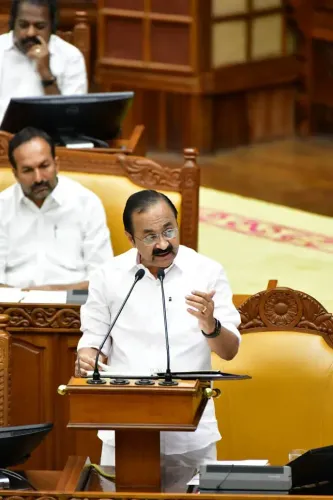
Kerala Chief Minister V.D. Satheesan on Wednesday, 14 October 2026, unveiled a sweeping maritime development strategy that would allow the state government to offer its own land as equity to attract private and institutional investment in port infrastructure. The announcement came as Satheesan introduced the Kerala Maritime Board (Amendment) Bill, 2026 in the state Assembly in Thiruvananthapuram.
What Mission Samudra Proposes
The initiative, branded Mission Samudra, aims to transform Kerala's coastline and port ecosystem into major trade and economic hubs. Rather than drawing entirely from the state budget, the government proposes to contribute government-owned land as its share in port development projects — a model designed to reduce fiscal strain while still unlocking large-scale infrastructure investments.
To sweeten the proposition for investors, the Bill proposes port concessions of up to 45 years. Funding is expected to be mobilised through private investors, public sector companies, government-to-government partnerships, and competitive transparent bidding.
Key Amendments to the Maritime Board
The Kerala Maritime Board (Amendment) Bill, 2026 seeks to restructure governance at the Board level. Under the proposed changes, the Chief Minister would chair the Maritime Board, centralising decision-making authority at the top. Representatives from the departments of Finance, Industries, Fisheries, Revenue, and Law would collaborate to resolve inter-departmental bottlenecks that have historically delayed port projects.
The Bill also proposes a maritime land bank and restoration of Port Area Development Authorities to plan and manage zones around ports, alongside a clearer legal framework for public-private partnership projects.
Coastal Shipping, Cruise Terminals and River Routes
Beyond port infrastructure, Mission Samudra envisions an expansion of coastal shipping to carry oil, gas, chemicals, and general cargo. Chief Minister Satheesan noted that sea transport could cost roughly one-third of road transport, making it a commercially attractive alternative for logistics.
The plan includes cruise terminals at Kochi and Kozhikode, with proposed passenger services connecting Kerala to Goa, Dubai, the Maldives, and Sri Lanka. In a later phase, river cruises are envisaged across the state's 44 rivers.
Vizhinjam Port and the ₹3,200 Crore Ring Road
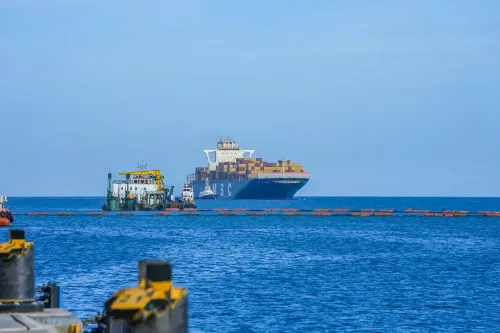
A proposed ₹3,200 crore ring road linked to the development of Vizhinjam port is included in the Mission Samudra blueprint. Vizhinjam, Kerala's flagship deep-water transshipment port, has been a long-gestation project, and this road infrastructure is seen as critical to connecting hinterland logistics to the port.
Economic Ambitions and Skill Development
Mission Samudra also targets the revival of seafood exports, development of port-linked industries, and creation of logistics parks, container freight stations, and warehouses. The government hopes these projects will generate employment and strengthen local business ecosystems.
Satheesan also announced plans to promote courses in logistics, maritime law, and maritime history to build a skilled workforce for the expanding sector. The overall ambition is to position Kerala's 590-kilometre coastline as a catalyst for trade-led economic growth.
Point of View
Encumbrance issues, and inter-departmental title conflicts have derailed similar arrangements in other states. Centralising Board authority under the Chief Minister may accelerate approvals, but it also concentrates political accountability in ways that could slow decisions when projects become contentious. Mission Samudra's most credible near-term anchor remains Vizhinjam, which already has momentum; the cruise and river-tourism components, while aspirational, depend on demand pipelines that do not yet exist at scale. Kerala's track record of translating maritime announcements into operational berths will be the real test of whether this Bill is transformative or declaratory.
NationPress
14 Oct 2026
Frequently Asked Questions
What is Mission Samudra in Kerala?
Mission Samudra is Kerala's maritime development strategy unveiled by Chief Minister V.D. Satheesan on 14 October 2026. It aims to develop the state's ports, expand coastal shipping, attract private investment through land-as-equity models and long-term concessions, and create jobs across logistics, seafood exports, and related sectors.
What does the Kerala Maritime Board (Amendment) Bill, 2026 change?
The Bill restructures governance of the Kerala Maritime Board by placing the Chief Minister at its helm and integrating representatives from Finance, Industries, Fisheries, Revenue, and Law departments. It also creates a maritime land bank, restores Port Area Development Authorities, and provides a clearer PPP legal framework.
How will Kerala fund port development under Mission Samudra?
Rather than bearing the full investment cost from the state budget, Kerala plans to contribute government-owned land as equity in port projects. Additional funding will come from private investors, public sector companies, government-to-government deals, and transparent competitive bidding.
What is the ₹3,200 crore ring road linked to Vizhinjam port?
Mission Samudra includes a proposed ₹3,200 crore ring road designed to improve hinterland connectivity to Vizhinjam, Kerala's flagship deep-water transshipment port. The road is intended to integrate the port with broader logistics networks in the region.
Which international destinations are covered under Kerala's cruise terminal plans?
The Mission Samudra plan proposes cruise terminals at Kochi and Kozhikode, with possible passenger services connecting Kerala to Goa domestically and to Dubai, the Maldives, and Sri Lanka internationally. River cruises across the state's 44 rivers are planned for a later phase.