CM Sawant Inaugurates Krishi Pe Charcha, Signs Agristack MoU
Synopsis
Goa Chief Minister Pramod Sawant inaugurated Krishi Pe Charcha at Ravindra Bhavan, Sankhali, where the Directorate of Agriculture and NABCONS signed an MoU for Agristack implementation and Digital Farmer IDs under the new State Agriculture Policy, with focus on bamboo, jackfruit, spices and FPOs.
Key Takeaways
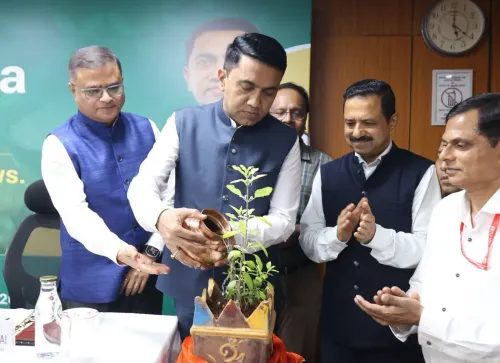
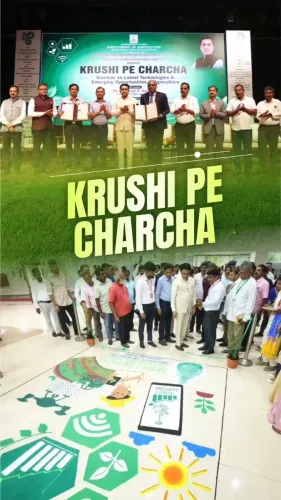
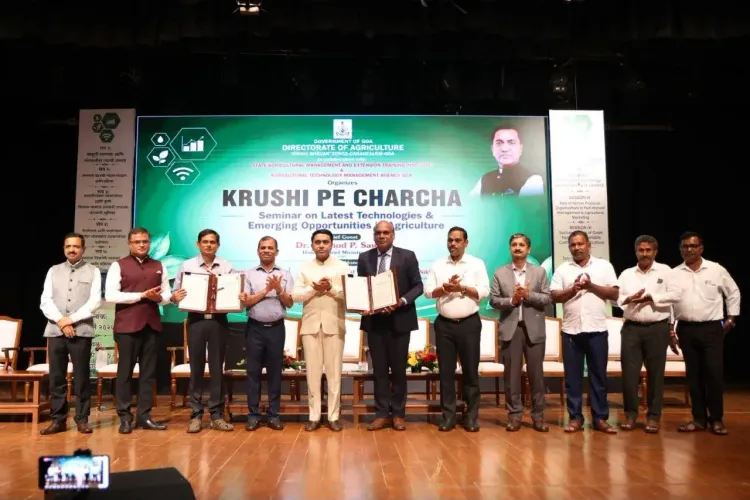
CM Pramod Sawant inaugurated Krishi Pe Charcha at Ravindra Bhavan, Sankhali on 7 July 2026 , organised by the Directorate of Agriculture.
The Directorate of Agriculture and NABCONS signed an MoU to implement Agristack and Goa's new State Agriculture Policy .
The MoU will enable creation of Digital Farmer IDs and strengthen data-driven agricultural planning across Goa .
The event theme was 'Latest Technologies and Emerging Opportunities in Agriculture,' under the Swayampurna Goa vision.
Opportunities highlighted include bamboo cultivation , jackfruit processing , horticulture , spice branding and Farmer Producer Organisations (FPOs) .
Agristack is a national digital agriculture initiative launched by the Union Ministry of Agriculture in 2021 to build unified farmer databases.
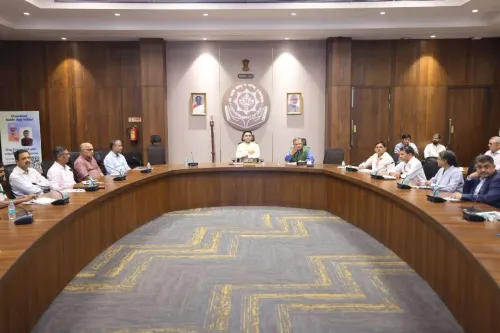
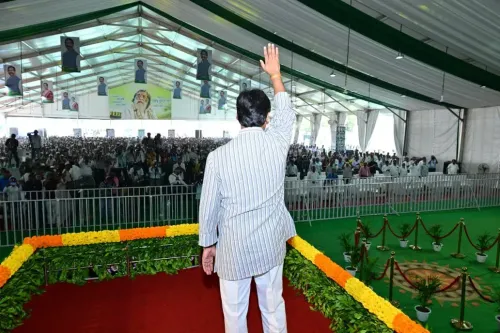
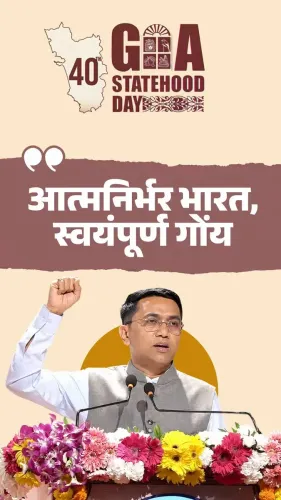
Goa Chief Minister Pramod Sawant inaugurated Krishi Pe Charcha at Ravindra Bhavan, Sankhali, on 7 July 2026, interacting with farmers, students, experts and agri-entrepreneurs at the event organised by the Directorate of Agriculture on the theme of 'Latest Technologies and Emerging Opportunities in Agriculture.'
Context
At the event, CM Sawant congratulated the Directorate of Agriculture and NABCONS — the advisory arm of the National Bank for Agriculture and Rural Development — on signing a Memorandum of Understanding (MoU) aimed at implementing Agristack and rolling out Goa's new State Agriculture Policy. The MoU is designed to enable the creation of Digital Farmer IDs and strengthen data-driven agricultural planning across the state.
The Chief Minister also discussed the importance of modern, technology-driven and sustainable farming under the vision of Swayampurna Goa (self-reliant Goa), the state government's self-reliance mission launched in 2020 to promote sustainable local development across sectors including agriculture.
Policy Backdrop
Agristack is a national digital agriculture initiative formally launched by the Union Ministry of Agriculture in 2021 to build unified farmer databases and data layers for targeted service delivery. States across India have been progressively layering their own policies atop this central framework to tailor interventions to local needs.
The NABCONS MoU positions Goa as an active participant in this national digitisation drive. Digital Farmer IDs, a core output of Agristack implementation, are intended to serve as a single source of verified farmer data, enabling more efficient subsidy delivery, credit access and scheme targeting.
Stakeholders and Impact
The Krishi Pe Charcha forum brought together a broad cross-section of the agricultural ecosystem — farmers, agri-entrepreneurs, students and domain experts. CM Sawant highlighted specific opportunities in bamboo cultivation, jackfruit processing, horticulture, spice branding, agri-business and Farmer Producer Organisations (FPOs).
FPOs are collectives promoted by both central and state governments to improve farmers' market access and bargaining power. Their inclusion in the discussion signals an intent to build collective models alongside individual digital identity infrastructure, addressing both market-side and data-side gaps in Goa's agricultural economy.
Goa's agricultural sector has distinct characteristics — dominated by horticulture, spices such as cashew and coconut, and a relatively small cultivable land base — making value addition and branding strategies particularly relevant for farmer income enhancement.
What's Next
The immediate focus will be on the rollout timeline and coverage of Digital Farmer IDs under the new Goa State Agriculture Policy following the NABCONS MoU. Progress on FPO registrations and the development of specific value-chain schemes for bamboo, jackfruit and spices will be key indicators of how the policy translates into ground-level impact.
The alignment of Goa's state-level agricultural roadmap with the central Agristack infrastructure marks a step toward more integrated, data-backed governance of the farm sector — a model other small states may look to as a template for localised digital agriculture reform.
Point of View
A move that signals the BJP-led state government's intent to align with central digital agriculture infrastructure while carving out a locally relevant agenda around spices, horticulture and bamboo. For a small coastal state with limited cultivable land, the emphasis on value addition and FPO-driven market access is strategically sound, addressing structural income gaps that raw crop production alone cannot close. The Digital Farmer ID push also gives the state government a verifiable data layer for future subsidy and credit targeting, reducing leakage. Taken together, the event positions CM Sawant's administration as an active participant in India's farm-tech transition rather than a passive recipient of central mandates.
NationPress
6 Oct 2026
Frequently Asked Questions
What is Krishi Pe Charcha in Goa?
Krishi Pe Charcha is an agriculture dialogue event organised by Goa's Directorate of Agriculture. The July 2026 edition was held at Ravindra Bhavan, Sankhali, and focused on latest technologies and emerging opportunities in agriculture, bringing together farmers, students, experts and agri-entrepreneurs.
What is the NABCONS MoU signed at the Goa agriculture event?
The Directorate of Agriculture and NABCONS — NABARD Consultancy Services — signed an MoU to implement Agristack and Goa's new State Agriculture Policy. The agreement is aimed at creating Digital Farmer IDs and enabling data-driven agricultural planning across the state.
What is Agristack and how does it affect Goa farmers?
Agristack is a national digital agriculture initiative launched by the Union Ministry of Agriculture in 2021 to build unified farmer databases and data layers. For Goa farmers, its implementation through the NABCONS MoU means they will receive Digital Farmer IDs, improving their access to government schemes, credit and subsidies.
What is Swayampurna Goa?
Swayampurna Goa is the Goa government's self-reliance mission launched in 2020 to promote sustainable local development across sectors including agriculture. CM Sawant referenced it at Krishi Pe Charcha as the overarching vision for modern, technology-driven and sustainable farming in the state.
What agricultural opportunities did CM Sawant highlight at Sankhali?
CM Pramod Sawant highlighted opportunities in bamboo cultivation, jackfruit processing, horticulture, spice branding, agri-business and Farmer Producer Organisations (FPOs) as key areas for growth under Goa's technology-driven and sustainable farming vision.