CM Sawant marks 'Prerna Din' with pledge to tribal welfare
Synopsis
Goa Chief Minister Pramod Sawant marked 'Prerna Din' on 25 May 2026 by pledging continued state commitment to tribal welfare, education, skill development, and cultural preservation, anchoring the message in the Antyodaya philosophy and the Viksit Bharat 2047 national vision.
Key Takeaways
CM Pramod Sawant invoked Prerna Din on 25 May 2026 to reaffirm commitments to tribal community empowerment in Goa .
The stated pillars of commitment are welfare, education, skill development, cultural preservation, and inclusive growth.
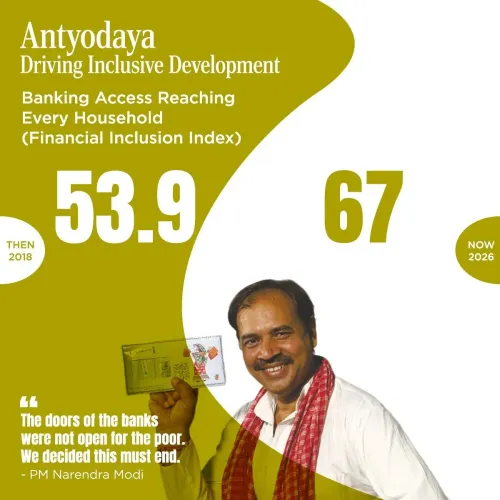
The message is explicitly guided by the Antyodaya philosophy, which prioritises upliftment of the poorest and most marginalised sections.
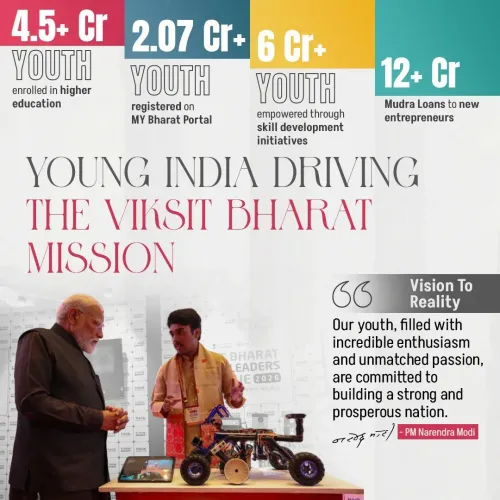
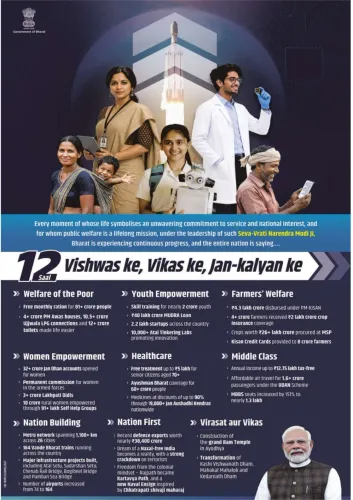
The post links state-level tribal initiatives to the national Viksit Bharat 2047 vision for a developed India.
Key stakeholders are Scheduled Tribe communities and ST youth in Goa 's forested and hilly interior regions.
Budget provisions for tribal skill centres and cultural preservation guidelines from the Goa Tribal Welfare Department will be watched as follow-through indicators.
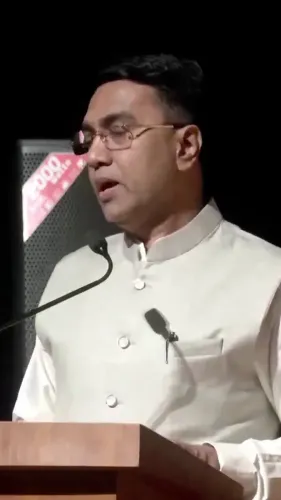
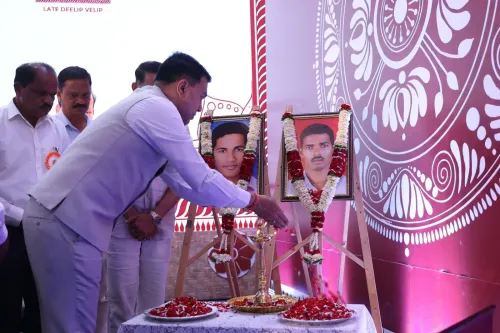
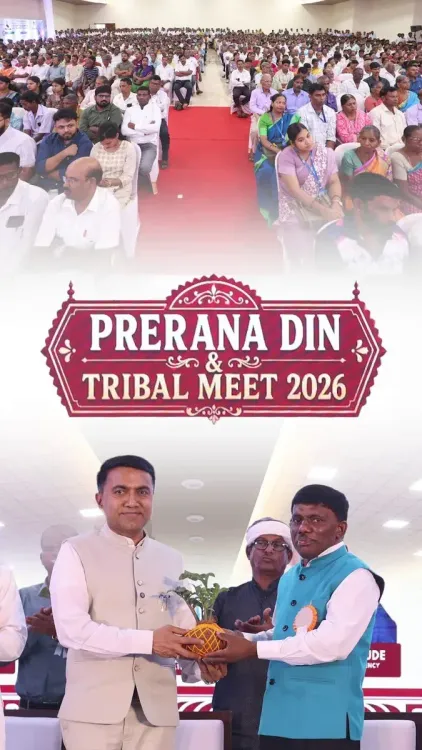
Goa Chief Minister Pramod Sawant on Monday, 25 May 2026, invoked 'Prerna Din' to reaffirm his government's commitment to the welfare, education, skill development, and cultural preservation of tribal communities in the state, framing the occasion within the national Antyodaya philosophy and the Viksit Bharat vision.
Context
Prerna Din is observed as a day of inspiration and renewed resolve, particularly in relation to the empowerment of marginalised sections. Chief Minister Sawant stated that the occasion 'reflects our continued commitment towards empowering tribal communities through welfare, education, skill development, cultural preservation, and inclusive growth guided by the spirit of Antyodaya.' The message was accompanied by a video and shared under the hashtags #PrernaDin, #ViksitGoa, and #ViksitBharat.
Policy Backdrop
The Antyodaya framework — meaning 'rise of the last person' — has been a cornerstone of BJP-led welfare policy at both the central and state levels. It was institutionalised through the Antyodaya Anna Yojana, launched in December 2000, which provided subsidised foodgrains to the poorest households, and has since been extended as a guiding philosophy across social sector schemes. Goa has Scheduled Tribe populations concentrated in its forested and hilly interior regions, and the state's Tribal Welfare Department administers a range of centrally sponsored and state-funded programmes targeting these communities.
The post situates Goa-specific tribal initiatives within the broader Viksit Bharat 2047 roadmap — the central government's national vision for a developed India by the centenary of independence. Linking state-level tribal welfare measures to this national arc has become a recurring pattern in NDA-governed states, particularly around reviews of Tribal Sub-Plan spending.
Stakeholders and Impact
The primary beneficiaries of the policies referenced are Scheduled Tribe communities and ST youth across Goa, who stand to gain from investments in education, vocational skill centres, and cultural heritage programmes. Cultural preservation, specifically mentioned by CM Sawant, is a dimension that tribal advocacy groups have long sought to mainstream alongside economic upliftment. Inclusive growth messaging of this kind also signals the state government's intent to align its tribal sub-plan expenditure with central guidelines and performance benchmarks.
What's Next
Observers will watch for concrete follow-through in the form of state budget provisions for tribal skill development centres and fresh guidelines from the Goa Tribal Welfare Department on cultural preservation projects. The alignment of Prerna Din messaging with Viksit Bharat suggests that CM Sawant may use the occasion to announce or review scheme-level targets for tribal communities in the months ahead. Progress on Tribal Sub-Plan fund utilisation will be a key metric by which stakeholders assess the government's delivery against these stated commitments.
Point of View
Reinforcing ideological continuity between state and central governments ahead of any budget or scheme review cycles. The explicit mention of cultural preservation alongside economic measures signals an attempt to address a longstanding demand from tribal communities that identity and heritage receive equal policy weight as livelihood support. However, the post stops short of announcing specific programmes or allocations, making it primarily a statement of intent rather than a policy milestone. The real test will be whether the Goa Tribal Welfare Department's spending and new scheme guidelines in the coming months translate this rhetoric into measurable outcomes for Scheduled Tribe populations.
NationPress
15 Sept 2026
Frequently Asked Questions
What is Prerna Din and why is it significant for tribal communities?
Prerna Din is observed as a day of inspiration and renewed resolve, often used by governments to reaffirm commitments to the empowerment of marginalised sections, including Scheduled Tribe communities. CM Sawant used the occasion on 25 May 2026 to highlight Goa's tribal welfare agenda.
What is the Antyodaya philosophy mentioned by CM Sawant?
Antyodaya, meaning 'rise of the last person', is a core welfare philosophy associated with BJP-led governments that prioritises upliftment of the poorest and most marginalised households. It was institutionalised through the Antyodaya Anna Yojana launched in December 2000.
What is Viksit Bharat and how does it relate to tribal welfare in Goa?
Viksit Bharat is the central government's vision for a developed India by 2047, the centenary of independence. CM Sawant's post links Goa's tribal welfare measures to this national roadmap, reflecting a pattern among NDA-governed states of aligning state schemes with central policy goals.
Which tribal communities benefit from Goa's welfare schemes?
Scheduled Tribe communities concentrated in Goa's forested and hilly interior regions are the primary beneficiaries, with ST youth specifically identified as a key stakeholder group for education and skill development initiatives.
What should we watch for after CM Sawant's Prerna Din statement?
Key indicators to watch include state budget provisions for tribal skill development centres and fresh guidelines from the Goa Tribal Welfare Department on cultural preservation projects, as well as Tribal Sub-Plan fund utilisation data.