CAQM team reviews Punjab stubble burning curbs in Sangrur, Patiala, Malerkotla
Synopsis
With Delhi-NCR's winter pollution season under way, a CAQM team hit the ground in Punjab's Sangrur, Patiala and Malerkotla districts to audit stubble-burning prevention. Farmers flagged real difficulties with crop residue machinery even as an ex-situ facility in Malerkotla committed to consuming 17,000 MT of straw annually — a sign that commercial alternatives exist, but ground-level adoption remains uneven.
Key Takeaways
A CAQM high-level team reviewed paddy straw management in Sangrur , Patiala , and Malerkotla districts of Punjab on 1 November 2026 .
An ex-situ facility in Malerkotla uses paddy straw as boiler fuel and plans to utilise approximately 17,000 MT annually.
A super seeder and other in-situ CRM machinery were demonstrated to farmers in village Ahmadabad and hotspot village Gharachon .
Farmers raised concerns about difficulties in accessing and operating Crop Residue Management machinery.
CAQM directed state officials to ensure ground-level actions match committed targets, with close monitoring of fire incidents through the harvest season.
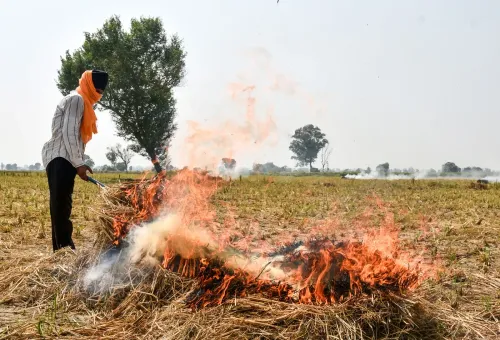
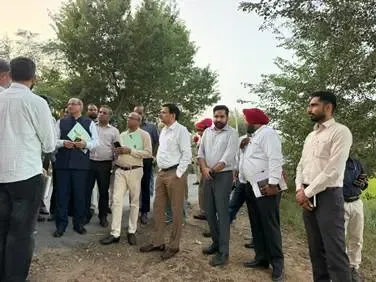
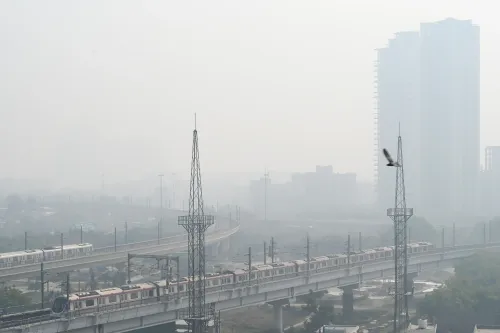
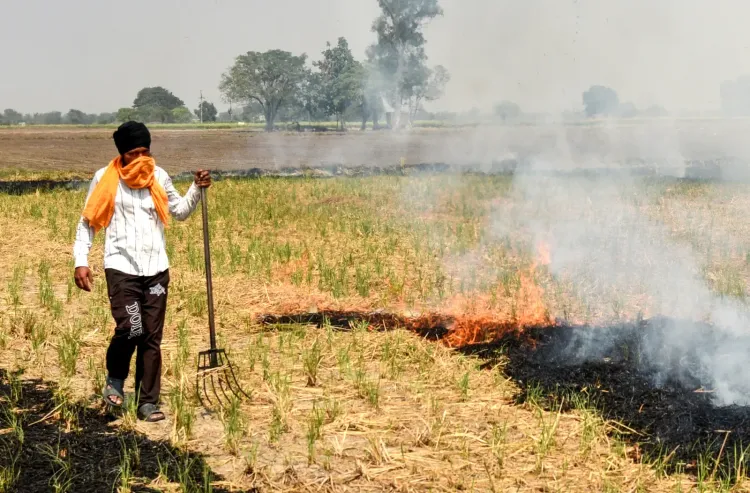
A high-level team from the Commission for Air Quality Management in NCR and Adjoining Areas (CAQM) on 1 November 2026 conducted field reviews of paddy straw management measures across Sangrur, Patiala, and Malerkotla districts in Punjab, as authorities step up efforts to prevent stubble burning ahead of the peak harvesting season. The review follows sustained pressure on northern India's air quality, with crop residue fires historically accounting for a significant share of Delhi-NCR's winter pollution spike.
What the CAQM Team Reviewed
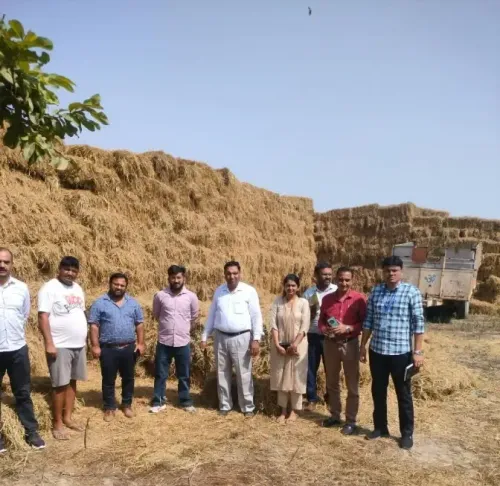
The team inspected both ex-situ and in-situ paddy straw management operations across multiple villages. In Malerkotla, officials visited a duplex board and paper-making unit on Dhuri Road that uses paddy straw as fuel in a boiler with a capacity of 20 TPH (tonnes per hour). Representatives of the facility informed the team that approximately 17,000 MT of paddy straw would be utilised annually in its boiler furnace, offering a commercial alternative to open burning.
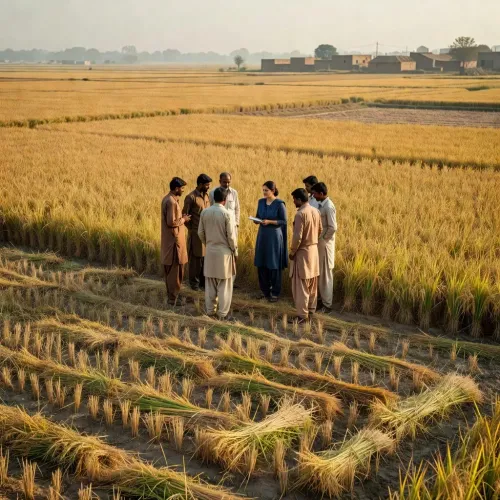
The team also observed in-situ crop residue machinery — including a super seeder demonstrated by the Agricultural Department — operating in village Ahmadabad of Malerkotla district. Farmers at the site assured officials they would not burn paddy straw and would instead manage it using available in-situ machinery.
Hotspot Villages and Farmer Concerns
In Sangrur district, the CAQM team visited villages Bassiark, Kapial, and Jhaneri in Bhawanigarh Tehsil. At village Gharachon, identified as a stubble-burning hotspot, both ex-situ and in-situ management methods were demonstrated. During interactions, farmers raised concerns about difficulties in accessing and utilising Crop Residue Management (CRM) machinery — a recurring ground-level challenge that officials acknowledged.
The team was briefed on district administration preparedness, including arrangements made to ensure the availability of CRM machinery to farmers for in-situ paddy straw management during the ongoing harvesting season.
Key Instructions to State Officials
CAQM officials directed concerned departments to maintain close monitoring of stubble burning incidents and to ensure that actions on the ground match the targets committed to by district administrations. According to an official statement, the team advised officers that 'the actions on ground should match targets undertaken by them.' The emphasis on accountability signals that the Centre is tracking compliance more closely this season.
Why This Matters for Delhi-NCR Air Quality
Stubble burning in Punjab and neighbouring states is a primary driver of the hazardous air quality that blankets Delhi-NCR every October and November. Despite years of policy interventions — including subsidised CRM machinery and financial incentives for farmers — satellite data has continued to show thousands of fire incidents annually. This year's review exercise reflects an intensified Centre-level push to close the gap between policy intent and field execution. The effectiveness of these measures will become apparent in the coming weeks as harvest activity peaks.
Point of View
Yet satellite fire counts over Punjab have not shown a sustained downward trend. The admission by farmers that CRM machinery remains difficult to access points to a persistent last-mile gap: equipment is procured and counts are reported, but utilisation rates on small and marginal holdings stay low. The 17,000 MT ex-situ absorption figure sounds substantial, but it represents a fraction of the millions of tonnes of straw generated each season. Until the Centre ties CAQM compliance scores to state funding allocations — rather than advisory letters — the accountability loop will remain incomplete.
NationPress
1 Nov 2026
Frequently Asked Questions
What did the CAQM team review in Punjab on 1 November 2026?
The CAQM team reviewed paddy straw management and stubble-burning prevention measures across Sangrur, Patiala, and Malerkotla districts. Officials inspected ex-situ utilisation facilities, observed in-situ CRM machinery demonstrations, and met with farmers and district administration representatives.
What is the role of CAQM in controlling stubble burning?
The Commission for Air Quality Management in NCR and Adjoining Areas (CAQM) is the statutory body responsible for monitoring and directing air quality measures across Delhi-NCR and neighbouring states including Punjab. It issues directives to state governments and district administrations and conducts field reviews to assess compliance during the crop residue burning season.
How is paddy straw being managed as an alternative to burning?
Two main approaches are in use: in-situ management, where machinery like super seeders mulch or incorporate straw into the soil, and ex-situ utilisation, where straw is transported to industrial facilities. A paper-making unit in Malerkotla, for example, uses paddy straw as boiler fuel and plans to consume around 17,000 MT annually.
Why do farmers continue to burn stubble despite available alternatives?
Farmers have cited difficulties in accessing and operating Crop Residue Management machinery, suggesting that equipment availability at the district level does not always translate into practical usability for small and marginal farmers. Cost, timing constraints during harvest, and logistical challenges are commonly cited barriers.
How does Punjab stubble burning affect Delhi-NCR air quality?
Crop residue fires in Punjab and Haryana are a major source of particulate matter that drifts into Delhi-NCR each October and November, contributing to the severe smog episodes that push air quality into the 'hazardous' category. Managing these fires is considered critical to improving winter air quality in the national capital region.