CM Sawant Urges Goa Fisherfolk to Hire Locals on Fish Farmers Day
Synopsis
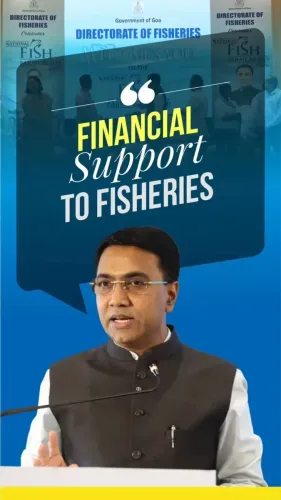
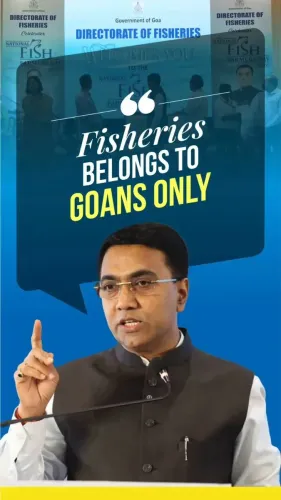
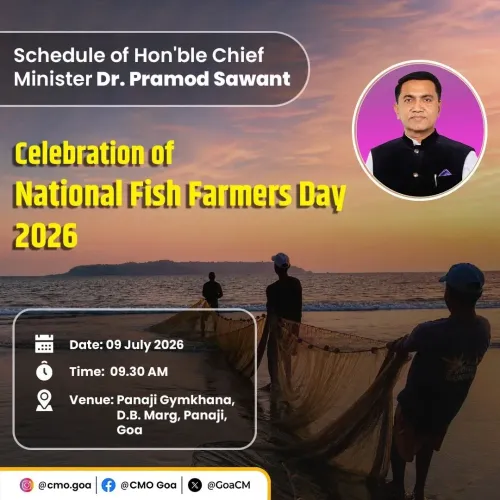
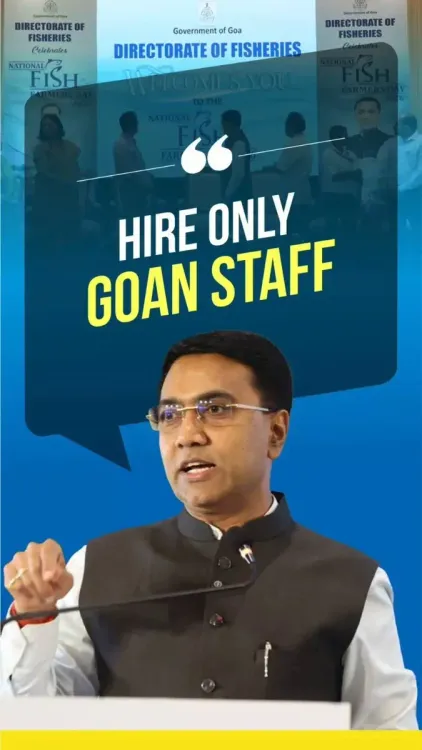
Goa Chief Minister Pramod Sawant marked National Fish Farmers Day by urging the state's fishing community to give preference to employing local Goans, arguing that the benefits of this generations-old livelihood must stay within coastal communities that have historically practised it.
Key Takeaways
Goa CM Pramod Sawant made a public appeal on National Fish Farmers Day (10 July) urging fisherfolk to prioritise local Goan employment.
The appeal targets the marine fishing sector, where concerns about migrant labour displacing local workers have been raised periodically.
National Fish Farmers Day marks the birth anniversary of fisheries pioneer Dr Hiralal Chaudhry and is observed annually on 10 July .
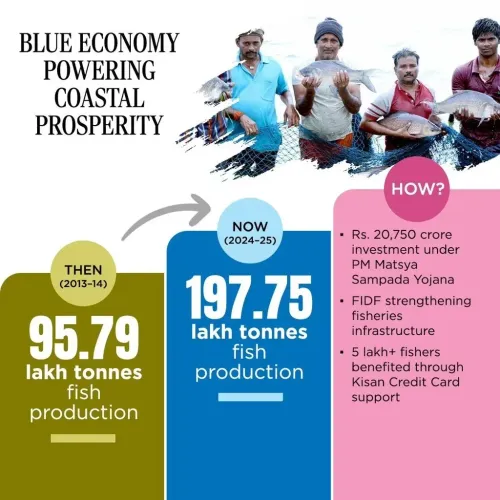
The central government's Pradhan Mantri Matsya Sampada Yojana , launched in 2020 , provides the broader policy framework for fisheries welfare in coastal states including Goa.
Sawant's call may prompt the Goa state fisheries department to issue formal employment norms for the sector.
Goa's coastal communities across talukas such as Bardez , Salcete , and Tiswadi are the primary beneficiaries of the appeal.
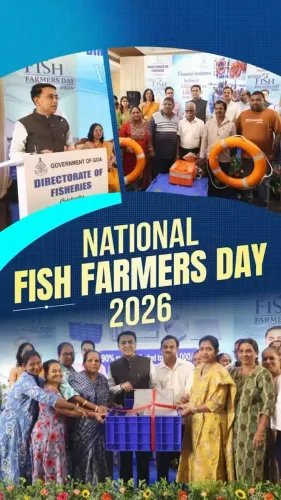
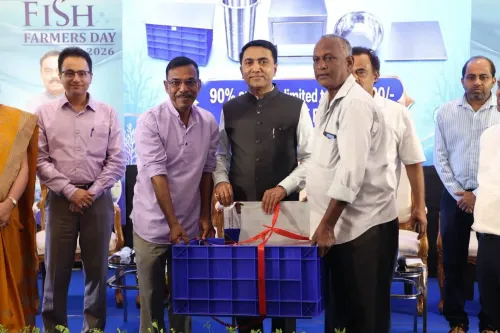
On the occasion of National Fish Farmers Day, Goa Chief Minister Pramod Sawant on Thursday, 10 July called on the fishing community across the state to prioritise employment of local Goans, stressing that the economic and cultural benefits of the traditional livelihood must remain within coastal communities that have practised it for generations.
Context
In his post on X, CM Sawant urged all fisherfolk to 'give preference to employing Goans, ensuring that the benefits of this traditional livelihood remain within the local community and continue to be carried forward by those who have been associated with it for generations.' The appeal came on National Fish Farmers Day, observed annually on 10 July to honour fish farmers and mark the birth anniversary of fisheries pioneer Dr Hiralal Chaudhry, who co-developed induced breeding technology for Indian fish species.
The message carries particular weight in Goa, a western coastal state whose marine fishing sector has long been the backbone of livelihoods in villages along the Arabian Sea coastline. The industry has historically balanced the rights of generational fishing families against pressures from tourism, regulatory changes, and the gradual entry of migrant labour into small-scale operations.
Policy Backdrop
Indian coastal states have periodically issued advisories encouraging local hiring in marine fisheries to retain economic benefits within traditional communities. These state-level nudges sit alongside central programmes such as the Pradhan Mantri Matsya Sampada Yojana (PMMSY), launched in 2020, which aims to modernise fisheries infrastructure, improve value chains, and support traditional fishers across the country.
PMMSY earmarked significant investment for coastal states, with an emphasis on sustainable fishing, cold-chain logistics, and welfare of fishing families. However, concerns have persisted in several states that economic gains from such schemes are not always channelled back to the most traditional and locally rooted fishing households, particularly where migrant workers have filled labour gaps.
Sawant's appeal aligns with a broader pattern across Indian coastal states of reinforcing 'local-first' employment norms in small-scale marine fisheries — a sector that is both economically significant and deeply tied to community identity.
Stakeholders and Impact
Goa's fisherfolk, spread across coastal talukas including Bardez, Salcete, and Tiswadi, stand as the primary audience for the Chief Minister's appeal. For these communities, fishing is not merely an occupation but a generational inheritance, with knowledge of local waters, seasonal patterns, and traditional techniques passed down within families.
The concern over employment going to non-local workers is not new in the sector. Smaller boat operators and fish-landing centres have at times relied on migrant labour, particularly for physically demanding roles. A sustained push to employ Goans could help keep wages and earnings circulating within coastal households, strengthening local economic resilience.
Simultaneously, the appeal touches on a sensitive demographic question in Goa, where debates around local identity, employment, and in-migration have long featured in political discourse. The Chief Minister's framing is welfare-oriented, focusing on preserving the community character of the livelihood rather than exclusion.
What's Next
Observers will watch whether the Goa state fisheries department follows the Chief Minister's public appeal with formal notifications or employment guidelines for the sector. At the central level, any revision to PMMSY guidelines for 2026-27 could reinforce or complement state-level local-hiring efforts. If translated into policy, Sawant's call could set a precedent for other coastal states grappling with similar labour dynamics in their fishing industries.
Point of View
The Chief Minister occupies defensible political ground ahead of any future state elections. The message also dovetails with the BJP's broader 'local economy first' positioning under central schemes like PMMSY, allowing Sawant to reinforce both state-level credibility and alignment with New Delhi's fisheries agenda. Whether this remains a symbolic gesture or translates into enforceable employment norms will determine its real policy weight.
NationPress
9 Jul 2026
Frequently Asked Questions
What is National Fish Farmers Day and when is it observed?
National Fish Farmers Day is observed annually on 10 July to honour fish farmers and fisheries professionals across India. The date marks the birth anniversary of Dr Hiralal Chaudhry , a pioneering scientist who co-developed induced breeding technology for Indian fish species.
What did Goa CM Pramod Sawant say on National Fish Farmers Day 2026?
CM Pramod Sawant urged all fisherfolk in Goa to give preference to employing local Goans, so that the benefits of the traditional fishing livelihood remain within coastal communities that have practised it for generations.
Why is local employment in Goa's fishing sector a concern?
Goa's small-scale marine fishing sector has at times relied on migrant labour, particularly for physically demanding roles, raising concerns that wages and earnings are not staying within traditional local fishing households and communities.
What is Pradhan Mantri Matsya Sampada Yojana and how does it relate to Goa?
The Pradhan Mantri Matsya Sampada Yojana (PMMSY) is a central government scheme launched in 2020 to modernise fisheries infrastructure, improve value chains, and support traditional fishers. Coastal states like Goa are key beneficiaries, though advocates argue that gains must be better directed to the most traditional local fishing families.
Will Goa issue formal rules on local hiring in fisheries after Sawant's appeal?
No formal notification has been announced yet. Observers expect the Goa state fisheries department to potentially follow up with employment guidelines, and any revision to central PMMSY guidelines for 2026-27 could complement such state-level measures.