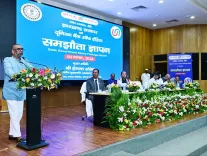
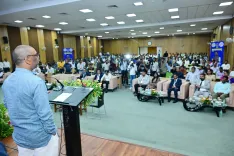
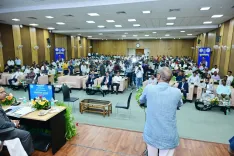
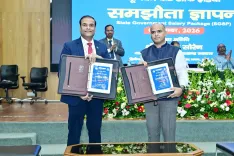
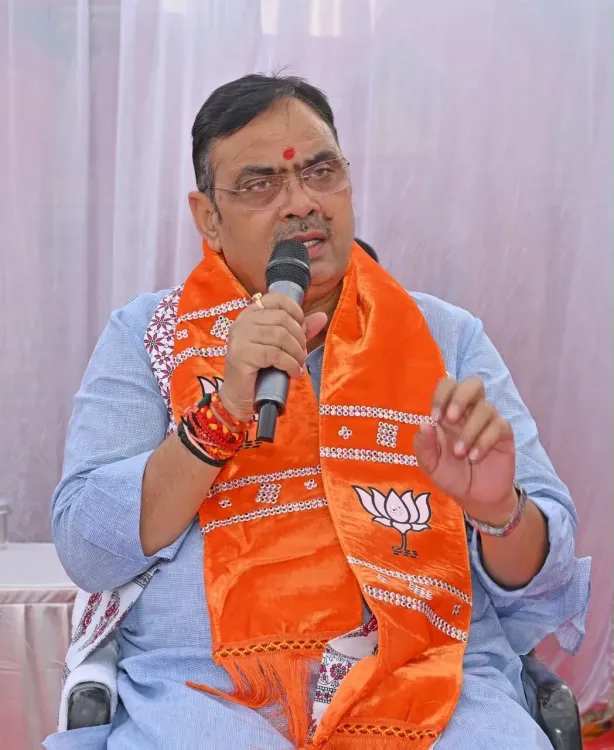
CM Bhajan Lal Sharma holds worker meet in Dungarpur
Synopsis
Rajasthan Chief Minister Bhajan Lal Sharma met BJP workers in Dungarpur on November 4, 2026, stressing their role as the essential link between government welfare schemes and citizens in one of the state's key tribal districts.
Key Takeaways
Rajasthan CM Bhajan Lal Sharma held a karyakarta dialogue in Dungarpur on November 4, 2026 .
Sharma called workers' dedication and public service commitment the 'organization's greatest capital.' The CM emphasized workers' role in reaching government welfare schemes and good governance to every individual.
Dungarpur is a tribal-majority district in southern Rajasthan where last-mile scheme delivery is a key challenge.
The meeting is part of a broader BJP strategy of district-level organizational outreach intensified after the December 2023 assembly election win.
Elected representatives and senior party office-bearers were also present alongside ground-level workers.
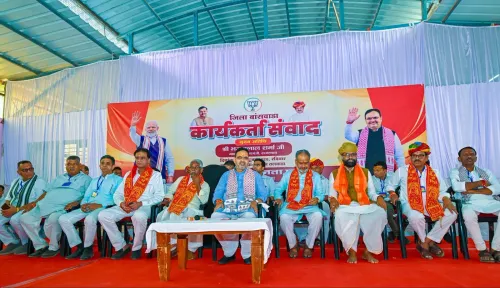
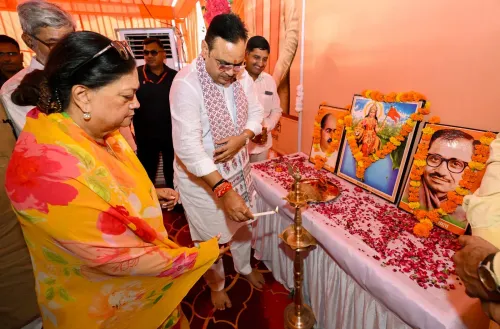
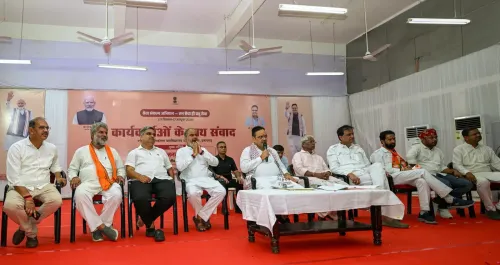
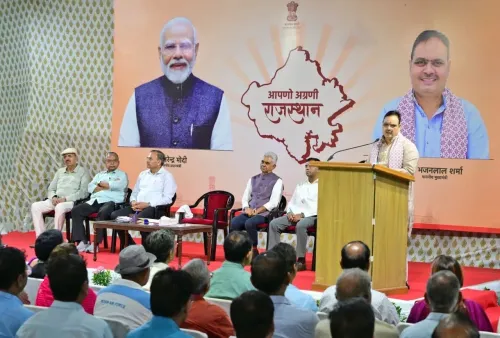
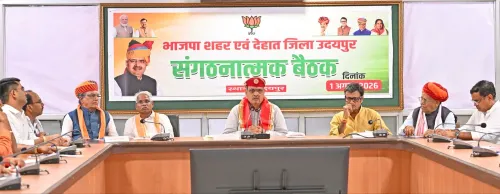
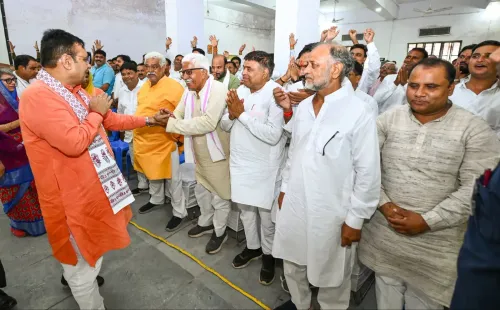
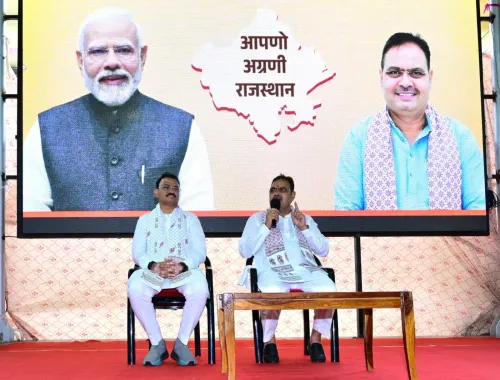
In the tribal heartland of southern Rajasthan, Rajasthan Chief Minister Bhajan Lal Sharma sat down with BJP ground workers in Dungarpur on Wednesday, November 4, 2026, calling their dedication and public service the organization's 'greatest capital' — a pointed message about who actually carries government schemes to the last household.
The CM described the gathering as an 'aatmiya samvad' (heartfelt dialogue), telling workers that their role is decisive in 'strengthening public trust and taking the government's welfare schemes and good governance resolve to every individual.' Elected representatives, party office-bearers, and rank-and-file workers were all present at the meeting.
Why Dungarpur, and why now
Dungarpur is a district with a significant tribal population, sitting in the southernmost belt of Rajasthan. For the BJP, this geography is both an opportunity and a test: last-mile delivery of welfare schemes in tribal areas demands boots on the ground that no government circular can substitute for. Sharma's visit is consistent with the party's intensified district-level outreach that picked up pace after the December 2023 assembly election victory.
The pattern is deliberate. Since taking office, the state unit of @BJP4Rajasthan has used regular karyakarta meetings to keep organizational discipline tight while simultaneously using workers as a relay network for scheme awareness — from central flagship programmes to state-level welfare initiatives.
The grassroots relay model
The logic Sharma articulated is straightforward: a government welfare scheme that sits in a file never reaches a beneficiary. Workers who can explain, enroll, and follow up are the last mile of that chain. By framing karyakartas as the organization's 'biggest asset,' the CM is also reinforcing internal morale — a signal that the party's electoral machinery needs to stay energized between election cycles, not just during campaigns.
Tribal-belt districts like Dungarpur have historically been where the gap between scheme announcement and actual benefit has been widest. A sitting Chief Minister showing up in person — not in a state capital but in a district meeting room — sends its own message about administrative priority.
The question that follows Sharma out of Dungarpur is a practical one: whether these organizational dialogues translate into measurable improvements in scheme delivery across southern Rajasthan's tribal districts — or remain a valuable, recurring ritual waiting to become a result.
Frequently Asked Questions
Why did Rajasthan CM Bhajan Lal Sharma visit Dungarpur?
CM Bhajan Lal Sharma visited Dungarpur on November 4, 2026, to hold a dialogue with BJP workers, emphasizing their role in delivering the government's welfare schemes to citizens at the grassroots level.
What did CM Bhajan Lal Sharma say at the Dungarpur BJP meeting?
He called BJP workers' dedication and commitment to public service the organization's 'greatest capital' and stressed that their involvement is crucial for strengthening public trust and ensuring welfare schemes reach every person.
What is Dungarpur's significance in Rajasthan politics?
Dungarpur is a district in southern Rajasthan with a large tribal population, making it an important area for welfare scheme outreach and a focus of the BJP's grassroots organizational efforts.
How has BJP Rajasthan been engaging with workers since the 2023 elections?
Since winning the December 2023 assembly elections, the BJP's Rajasthan unit has intensified district-level karyakarta meetings to strengthen organizational discipline and use workers as a relay network for welfare scheme awareness.
Who attended the Dungarpur meeting with CM Bhajan Lal Sharma?
Elected representatives, BJP organization office-bearers, and party workers at the ground level were all present at the Dungarpur karyakarta meeting.