CM Shivakumar hosts CWP India Region Conference at Vidhana Soudha
Synopsis
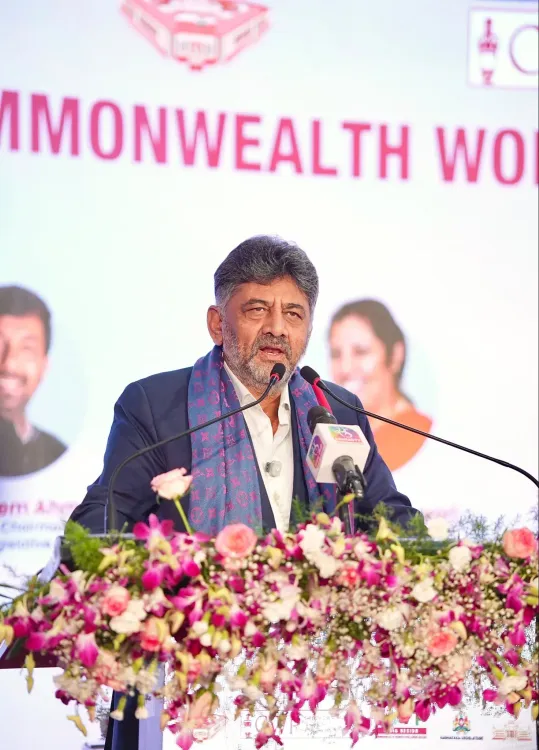
Chief Minister D.K. Shivakumar opened the first Commonwealth Women Parliamentarians India Region Conference at Vidhana Soudha, Bengaluru, bringing together around 150 women legislators from 15-20 countries to discuss digital safety, mentorship, and women's political representation across the Commonwealth.
Key Takeaways
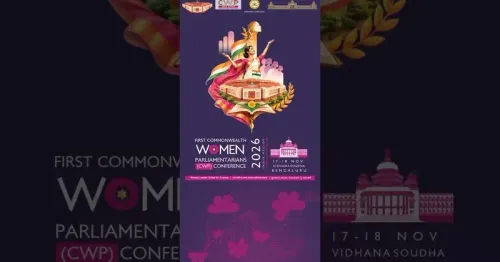
The first-ever CWP India Region Conference was held at Vidhana Soudha, Bengaluru on November 17, 2026 , hosted by Karnataka.
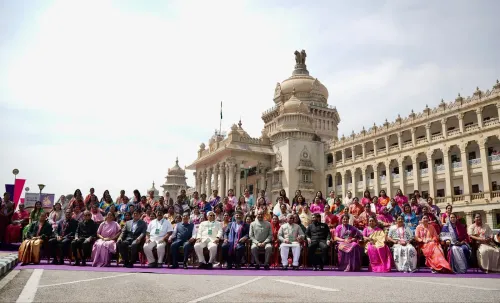
Around 150 women legislators, parliamentarians and presiding officers from 15 to 20 countries attended the two-day event.
Shivakumar cited the 73rd and 74th Constitutional Amendments (1992) and the Women's Reservation Act 2023 as milestones in India's journey toward gender-inclusive governance.
The conference theme focuses on inclusive cyberspace, digital safety and mentorship pathways for new women legislators.
Purandeswari , CWP India Region Chairperson, was acknowledged for advancing women's political leadership.
Shivakumar called for stronger cross-Commonwealth networks of women leaders beyond the conference itself.
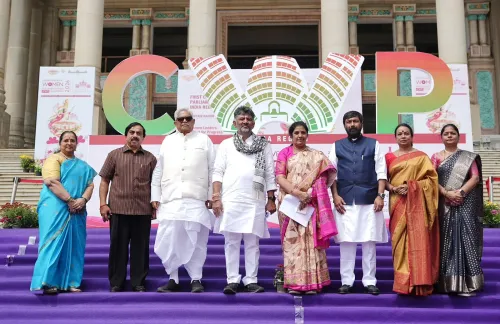
Around 150 women legislators, parliamentarians and presiding officers from 15 to 20 countries converged on Bengaluru's Vidhana Soudha on Tuesday, November 17, 2026, as Karnataka stepped into the role of host for the first-ever Commonwealth Women Parliamentarians (CWP) India Region Conference — and Chief Minister Shri D.K. Shivakumar used the opening address to stitch together six decades of India's hard-won progress on women's political representation into a single, urgent argument: a seat is not enough.
A landmark first for Karnataka and the Commonwealth
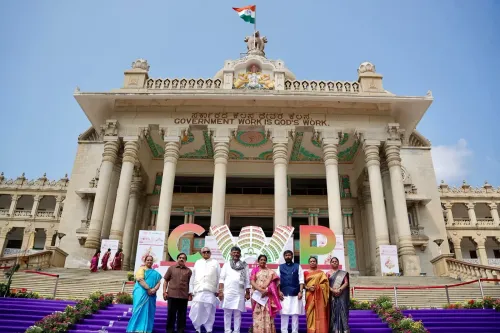
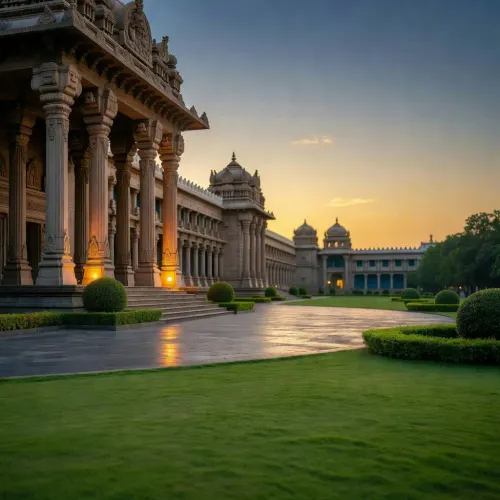
The conference, formally welcomed by the Chief Minister's Office of Karnataka, marks the first time the CWP India Region has convened such a gathering on Indian soil. Vidhana Soudha — Karnataka's grand legislative assembly building in Bengaluru — provided both the symbolic and physical stage, underscoring the state government's intent to position Karnataka at the centre of conversations on gender-inclusive governance.
The two-day programme runs under the theme 'Strong Foundations, Stronger Voices: Inclusive Cyberspace and Mentorship Pathways for New Women Legislators' — a deliberate pairing of two 21st-century pressure points: online safety for elected women and structured pathways to bring newer legislators into the fold of experience and leadership.
Shivakumar traces the arc from Rajiv Gandhi to the Nari Shakti Vandan Adhiniyam
Speaking to the assembled delegates, CM Shivakumar anchored India's journey in legislative history. He recalled that it was former Prime Minister Shri Rajiv Gandhi whose efforts led to the 73rd and 74th Constitutional Amendments of 1992 — the landmark provisions that mandated one-third reservation for women in panchayats and municipalities, seeding millions of women into grassroots governance for the first time.
He went further, acknowledging Smt. Sonia Gandhi's sustained advocacy as instrumental in building political will for the Women's Reservation Act of 2023, formally called the Nari Shakti Vandan Adhiniyam — a bill that had been introduced, stalled and reintroduced in various forms since 1996 before finally crossing the parliamentary threshold. The Act reserves one-third of seats in the Lok Sabha and state legislative assemblies for women.
Invoking the legacy of former Prime Minister Smt. Indira Gandhi, Shivakumar framed the goal in sharper terms: women must not merely occupy legislative seats — they must 'influence decisions, shape legislation and determine the direction of governance.' Meaningful representation, he said, is what makes democracy genuinely inclusive and responsive.
CWP's role and the call for stronger networks
The Chief Minister also acknowledged Dr. D. Purandeswari, Chairperson of the CWP India Region, for her efforts in advancing women's political leadership across the region. He used the moment to call for stronger, more durable networks among women leaders across both India and the broader Commonwealth — a network that can outlast any single conference or legislative cycle.
The Commonwealth Women Parliamentarians network operates as a cross-border exchange platform, and conferences like this one serve a dual function: policy dialogue and peer mentorship. With the 2023 Reservation Act now on the books but its implementation in state assemblies still unfolding, the timing of this gathering carries particular weight — a new generation of women legislators is arriving in chambers that were not built with them in mind, and they will need both digital safety tools and experienced mentors to navigate them.
As the delegates settle in for two days of deliberation at Vidhana Soudha, the real test of this conference will be measured not in its resolutions, but in whether it accelerates the mentorship networks and digital protections that women in legislative life actually need — in India and beyond.
Point of View
Karnataka is positioning itself as a standard-bearer for gender-inclusive governance at a moment when the Nari Shakti Vandan Adhiniyam is still being translated from statute into lived reality in state assemblies. Shivakumar's deliberate invocation of Congress-era milestones — from Rajiv Gandhi's constitutional amendments to Sonia Gandhi's legislative push — is as much a political signalling exercise as it is a historical record. The conference's focus on digital safety and mentorship reflects a growing recognition that structural reservation alone cannot shield or equip women legislators without accompanying support systems. Whether this gathering produces durable cross-Commonwealth mentorship networks or remains a ceremonial milestone will determine its long-term policy legacy.
NationPress
17 Nov 2026
Frequently Asked Questions
What is the Commonwealth Women Parliamentarians India Region Conference?
It is the first conference of the CWP India Region, bringing together around 150 women legislators, parliamentarians and presiding officers from 15 to 20 countries, held at Vidhana Soudha in Bengaluru on November 17-18, 2026.
What is the theme of the CWP India Region Conference 2026?
The theme is 'Strong Foundations, Stronger Voices: Inclusive Cyberspace and Mentorship Pathways for New Women Legislators', focusing on digital safety and mentorship for new women legislators.
What is the Women's Reservation Act 2023?
Formally known as the Nari Shakti Vandan Adhiniyam, it is a law enacted in 2023 that reserves one-third of seats in the Lok Sabha and state legislative assemblies for women, following decades of legislative attempts dating back to 1996.
How did Rajiv Gandhi contribute to women's political reservation in India?
The 73rd and 74th Constitutional Amendments of 1992, advanced during the Congress government, mandated one-third reservation for women in panchayats and urban local bodies, seeding grassroots-level women's representation across India.
Who is Dr. D. Purandeswari and what is her role in CWP?
Dr. D. Purandeswari is the Chairperson of the CWP India Region and was acknowledged by CM D.K. Shivakumar at the conference for her efforts in advancing women's political leadership across the region.