CM Shivakumar meets Muzrai temple priests at Krishna
Synopsis
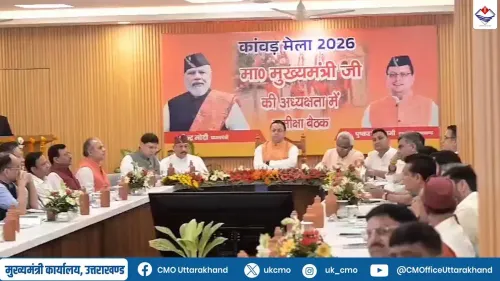
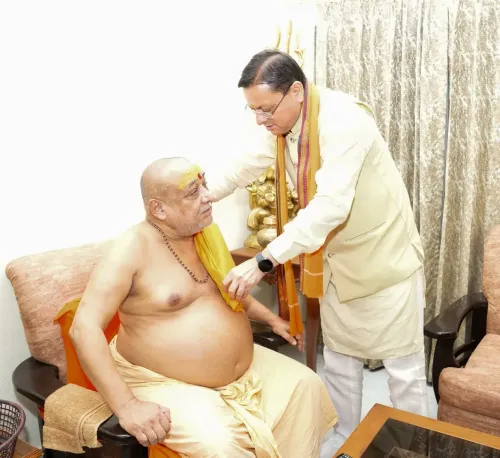
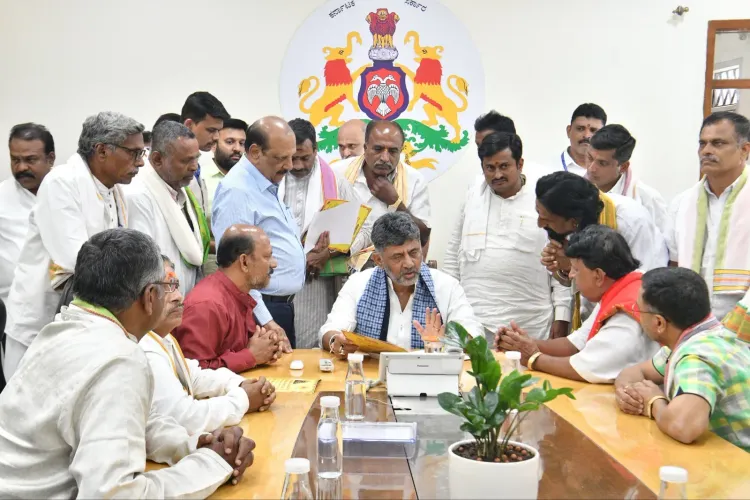
Chief Minister D.K. Shivakumar on 15 July 2026 met office-bearers of the Hindu Muzrai Temples Archakas and Upadhivanta Union at his official residence Krishna in Bengaluru to deliberate on the development of state-administered Muzrai temples across Karnataka.
Key Takeaways
The Hindu Muzrai Temples Archakas and Upadhivanta Union met CM D.K.
Shivakumar at his official residence Krishna on 15 July 2026 .
Discussions centred on the development of Muzrai temples administered by Karnataka's Hindu Religious Institutions and Charitable Endowments Department.
The union represents archakas (priests) and upadhivantara (hereditary temple functionaries) employed in state-run temples.
Karnataka has governed select Hindu temples through the Muzrai Department under a legislative framework in place since the 1990s.
No specific outcomes were announced; possible follow-up includes budget allocations or renovation tenders in the next state budget cycle.
The Chief Minister's Office of Karnataka announced on Wednesday, 15 July 2026 that office-bearers of the Hindu Muzrai Temples Archakas and Upadhivanta Union called on Chief Minister D.K. Shivakumar at his official residence Krishna in Bengaluru to discuss the development of Hindu Muzrai temples under the state's endowment framework.
Context
The Kannada-language post from the Chief Minister's Office states that 'devasthalagala abhivriddhiya kurithu samalochanè nadèsidaru' — that is, 'discussions were held on the development of temples.' The meeting brought together archakas (hereditary priests) and upadhivantara (other designated temple functionaries) who are affiliated with temples administered by the state's Muzrai Department, formally known as the Department of Hindu Religious Institutions and Charitable Endowments.
The union represents a large cadre of temple staff whose livelihoods, honoraria, and service conditions are directly governed by state policy. Consultations of this nature form part of the department's routine engagement with stakeholder bodies before policy or budgetary decisions are finalised.
Policy Backdrop
Karnataka has maintained direct administrative oversight of select Hindu temples through the Muzrai Department for decades, operating under the Hindu Religious Institutions and Charitable Endowments Act. The framework covers endowment management, infrastructure maintenance, and the welfare of priests and temple employees.
Successive state governments have periodically revised honoraria scales and development grants for Muzrai temples, with significant revisions having been undertaken at various points since the 1990s. Temple development funds, renovation tenders, and priest welfare schemes are typically taken up during state budget cycles, making pre-budget consultations with union representatives a standard practice.
Stakeholders and Impact
The primary stakeholders are the archakas and upadhivantara — priests and hereditary functionaries — who serve in Muzrai temples across Karnataka. Their service conditions, monthly stipends, and access to state welfare schemes are all contingent on decisions made within the Muzrai Department's administrative and budgetary framework.
Temple infrastructure and the quality of worship services at hundreds of state-administered temples are also directly affected by development allocations. Devotees and local communities surrounding these temples stand to benefit from any upgrades in facilities or expanded renovation programmes that may follow from such discussions.
What's Next
No specific outcomes or announcements from the meeting have been disclosed by the Chief Minister's Office. However, such consultations with priest unions typically precede decisions on Muzrai budget allocations or the floating of temple renovation tenders in the upcoming state budget cycle.
The Karnataka government's approach to Muzrai temple governance will continue to be watched closely by temple communities and religious organisations across the state, particularly regarding any revision of priest honoraria or expansion of development grants.
Point of View
Where Muzrai allocations often attract scrutiny from religious communities. Successive Karnataka administrations have used Muzrai consultations to signal responsiveness to temple communities without committing to specific outlays, making the absence of announced outcomes here consistent with established practice. The timing — mid-legislative session — suggests the government may be gauging demands before tabling any supplementary or full budget proposals. How the administration translates this dialogue into concrete policy on priest welfare and temple infrastructure will be a marker of its broader approach to the state's substantial Hindu endowment ecosystem.
NationPress
14 Oct 2026
Frequently Asked Questions
What is the Muzrai Department in Karnataka?
The Muzrai Department, formally the Department of Hindu Religious Institutions and Charitable Endowments, is a Karnataka government body that administers select Hindu temples, manages their endowments, oversees infrastructure, and regulates the service conditions of priests and temple staff.
Who are archakas and upadhivantara in Muzrai temples?
Archakas are the hereditary priests who perform rituals in Muzrai temples, while upadhivantara are other designated hereditary functionaries. Both categories are state-recognised roles with honoraria and service conditions governed by the Hindu Religious Institutions and Charitable Endowments Act.
What did CM Shivakumar discuss with the Muzrai temple union?
The Chief Minister's Office stated that the meeting focused on the development of Muzrai temples. No specific outcomes or decisions were announced following the 15 July 2026 consultation at Krishna, his official residence.
What is Krishna, CM Shivakumar's official residence?
'Krishna' is the official home-cum-office of the Chief Minister of Karnataka in Bengaluru, where the state's top executive routinely receives delegations, union representatives, and officials for consultations.
Will Karnataka increase priest honoraria in Muzrai temples?
No announcement on honoraria revision was made after the 15 July 2026 meeting. Historically, Karnataka governments have revised Muzrai priest honoraria during budget cycles, and the current consultation may precede such a decision, though nothing has been confirmed.