CM Shivakumar Meets Skyroot Founders After Vikram-1 Launch
Synopsis
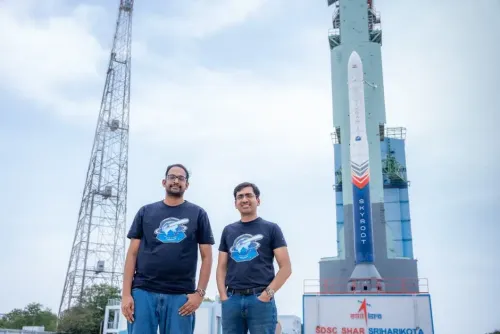
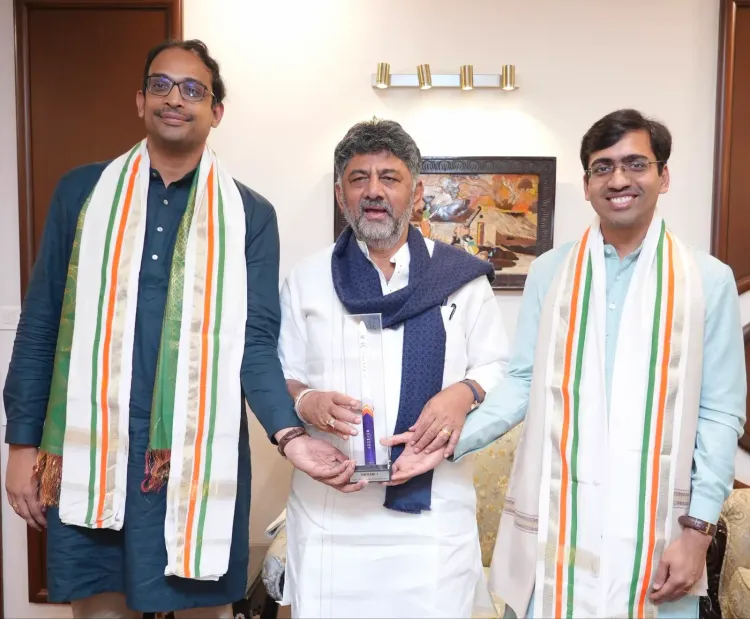
Karnataka CM D.K. Shivakumar met Skyroot Aerospace co-founders Pawan Chandana and Naga Bharath Daka in New Delhi on 28 July 2026, congratulating them on Vikram-1 — India's first privately developed orbital launch vehicle — and backing the startup's role in India's expanding private space sector.
Key Takeaways
Shivakumar met Skyroot Aerospace co-founders Pawan Chandana and Naga Bharath Daka in New Delhi on 28 July 2026 .
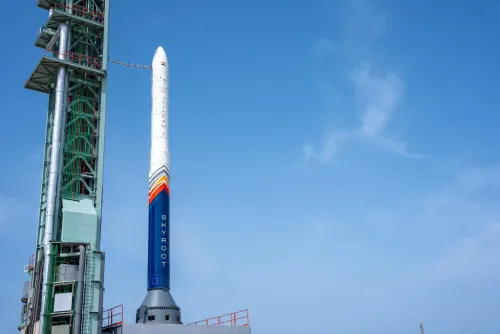
Vikram-1 is described as India's first privately developed orbital launch vehicle, built by the Hyderabad-based Skyroot Aerospace.
Shivakumar congratulated the team and expressed support for their role in advancing India's space ambitions.
India's private space sector was opened up in 2020 with the creation of IN-SPACe , enabling companies like Skyroot to pursue orbital launches.
The meeting reflects growing centre-state-private sector coordination as Indian states compete to attract aerospace startups.
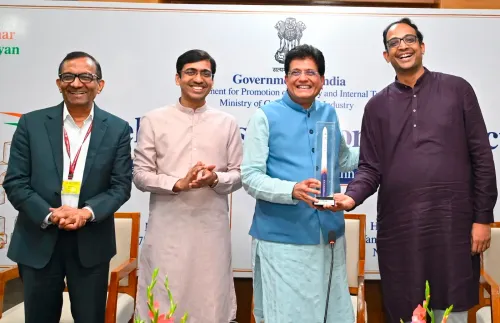
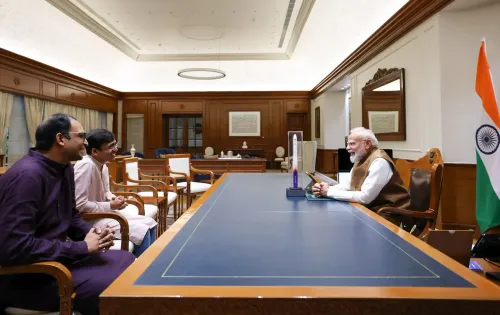
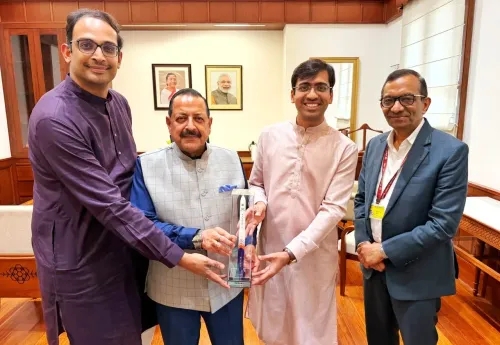
India's private space race has a new milestone to celebrate — and Karnataka's Chief Minister wanted to mark it in person. Chief Minister D.K. Shivakumar met Skyroot Aerospace co-founders Pawan Chandana and Naga Bharath Daka in New Delhi on Tuesday, 28 July 2026, congratulating them on the successful launch of Vikram-1, billed as India's first privately developed orbital launch vehicle.
A handshake that signals India's new space order
The meeting was more than a courtesy call. Shivakumar wished the entire Skyroot team 'continued success in advancing India's space ambitions through innovation and excellence' — language that signals active state-level interest in the Hyderabad-based startup's trajectory. Skyroot Aerospace has been developing the Vikram series of launch vehicles, and the Vikram-1 orbital mission marks the company's most ambitious step yet.
How IN-SPACe opened the door for Skyroot
Skyroot's rise is inseparable from a structural shift in Indian space policy. In 2020, the Government of India liberalised the space sector and established IN-SPACe — the Indian National Space Promotion and Authorisation Centre — to regulate and actively promote private participation. Before that reform, orbital launch was an exclusively public-sector domain. Skyroot was among the first private firms to move into the vacuum, building the Vikram series from the ground up.
The broader pattern is clear: since 2020, India has incrementally opened launch services, satellite manufacturing, and ground-segment operations to private companies, deliberately expanding overall capacity beyond what ISRO alone can deliver. State governments, sensing an industrial opportunity, have begun competing to attract these startups — making a Chief Minister's personal outreach to Skyroot's founders entirely consistent with that playbook.
Karnataka's stake in the private space boom
The centre-state-private interface on display in Tuesday's meeting reflects a wider scramble among Indian states to position themselves as aerospace hubs. Karnataka already hosts a dense cluster of aerospace and defence firms around Bengaluru, and any state-level policy incentives that Shivakumar's government might extend to space startups could deepen that advantage. Watch for announcements on aerospace parks, land allocation, or fiscal incentives in the months ahead.
For Skyroot's founders, the optics matter too. A sitting Chief Minister flying in congratulations is the kind of institutional endorsement that smooths the path for future funding rounds, regulatory clearances, and talent recruitment. India's private space sector is young — Vikram-1's orbital success, if sustained, could be the proof-of-concept that accelerates the entire ecosystem.
Point of View
Not just goodwill. It positions Karnataka as a proactive player in India's emerging commercial space economy at a moment when states are quietly competing for aerospace investment. The meeting also illustrates how the 2020 IN-SPACe reforms have created a new class of politically significant startups — ones that attract the same high-level attention previously reserved for public-sector space milestones. If Karnataka follows up with concrete policy incentives, this courtesy call could mark the start of a more structured state-level space industry push.
NationPress
28 Jul 2026
Frequently Asked Questions
What is Vikram-1 and who built it?
Vikram-1 is described as India's first privately developed orbital launch vehicle, built by Skyroot Aerospace , a Hyderabad-based private space company co-founded by Pawan Chandana and Naga Bharath Daka .
Why did Karnataka CM Shivakumar meet Skyroot founders?
Chief Minister D.K. Shivakumar met the Skyroot co-founders in New Delhi on 28 July 2026 to congratulate them on the successful launch of Vikram-1 and to express support for their continued work in advancing India's space sector.
What is IN-SPACe and how does it relate to Skyroot?
IN-SPACe (Indian National Space Promotion and Authorisation Centre) was established in 2020 when India liberalised its space sector to allow private companies to participate in launch services and satellite manufacturing — the policy framework that enabled Skyroot Aerospace to develop the Vikram series.
Is Skyroot Aerospace a Karnataka company?
Skyroot Aerospace is headquartered in Hyderabad , not Karnataka, but the meeting with Karnataka's Chief Minister reflects broader state-level interest in attracting and supporting private space startups across India.
What could Karnataka do to support private space companies like Skyroot?
Analysts watching the sector expect state governments to announce aerospace parks, land allocation, or fiscal incentives. Karnataka, with its existing aerospace cluster around Bengaluru , is seen as a natural candidate for such policy moves.