CM Himanta meets Karbi Richo, vows to protect indigenous faiths
Synopsis
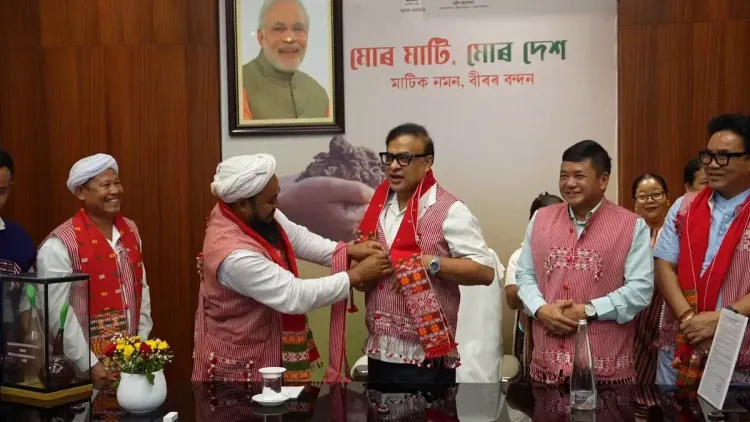
Assam CM Himanta Biswa Sarma met Karbi Richo Shri Longsing Ronghang and the Lingdokpo at the Vidhan Sabha on July 28, 2026, pledging government protection for Assam's indigenous faiths against external threats and affirming the Richo's place in the state's civilisational heritage.
Key Takeaways
CM Himanta Biswa Sarma met Karbi Richo Shri Longsing Ronghang and the Lingdokpo (traditional council of ministers) at the Assam Vidhan Sabha on July 28, 2026 .
The Karbi Richo is the customary king and moral authority of the Karbi people, representing centuries of indigenous heritage.
Karbi Anglong has held Sixth Schedule constitutional protections since 1951 , granting the community limited self-governance.
Sarma pledged the government will be 'steadfast in safeguarding Assam's indigenous faiths from external threats and nefarious designs.' No specific legislation or scheme was announced; follow-up policy action remains to be watched.
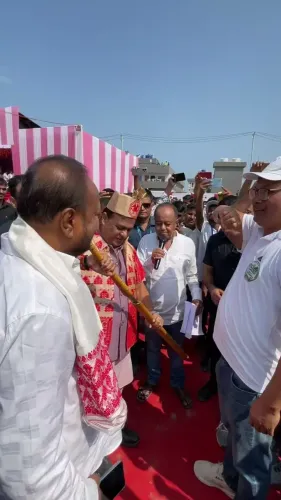
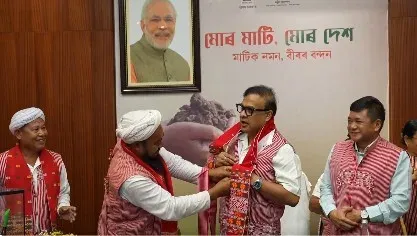
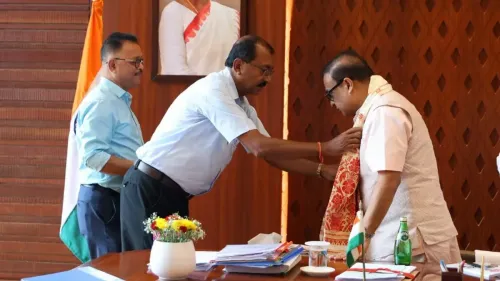
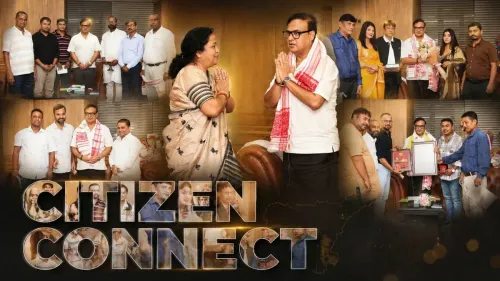
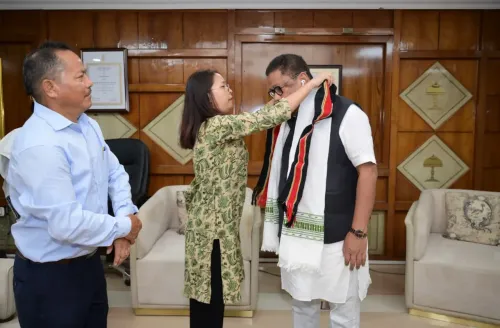
In the wood-panelled halls of the Assam Vidhan Sabha, a meeting between modern constitutional authority and ancient customary kingship took place on Tuesday, July 28, 2026 — when Assam Chief Minister Himanta Biswa Sarma received Shri Longsing Ronghang, the Karbi Richo, along with the Lingdokpo, the Richo's traditional council of ministers.
The Richo is no ceremonial relic. As the revered moral authority of the Karbi people — one of Assam's most significant indigenous communities — the institution of the Richo carries centuries of customary law, spiritual leadership, and cultural memory. CM Sarma acknowledged this weight directly, calling the Richo 'a remarkable expression of the Karbi people's ancient indigenous heritage' and 'a unique place in Assam's rich civilisational mosaic.'
The Karbi Richo and the weight of customary kingship
The Karbi community is centred primarily in Karbi Anglong, an autonomous district in Assam that has held Sixth Schedule protections under the Constitution since 1951 — a framework designed to grant tribal areas limited self-governance and shield their customary institutions from erosion. The Karbi Anglong Autonomous Council, established under this provision, operates alongside — not in place of — the Richo, whose authority is rooted in tradition rather than statute.
That distinction matters. The Richo's legitimacy flows from community consent and ancestral practice, making the institution a living bridge between the Karbi people's pre-colonial identity and their present-day political reality. When a sitting Chief Minister receives the Richo at the Vidhan Sabha, the symbolism is deliberate: the state is signalling recognition, not just courtesy.
Sarma's pledge: 'Steadfast' against external threats
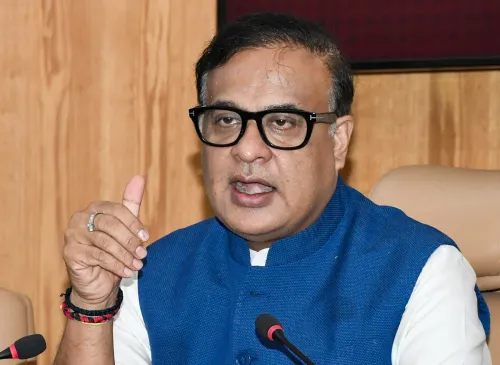
CM Sarma told the delegation that his government 'will remain steadfast in safeguarding Assam's indigenous faiths from external threats and nefarious designs' — language that is pointed and politically loaded. BJP-led administrations across the Northeast have consistently framed engagement with tribal institutions as a bulwark against demographic shifts and external religious influence, and Sarma's formulation fits squarely within that narrative.
The pledge stops short of announcing specific legislation or schemes, but the meeting signals that the government is actively cultivating ties with customary tribal authorities — a pattern Assam has followed across multiple administrations, now sharpened with explicit identity-protection framing.
Watch for follow-up action: whether this meeting translates into codified legal protections for indigenous faiths and customary institutions in Assam will be the real test of the government's commitment. The Karbi community — and the Richo — will be watching.
Point of View
A region where tribal identity, migration, and faith intersect in acutely sensitive ways. Whether the outreach produces concrete legal protections for indigenous faiths — or remains at the level of symbolic recognition — will determine its lasting significance. The Sixth Schedule framework already provides a constitutional scaffold; what the Karbi community may now be seeking is political will to enforce and expand it.
NationPress
27 Oct 2026
Frequently Asked Questions
Who is the Karbi Richo?
The Karbi Richo is the customary king and moral authority of the Karbi indigenous community in Assam. The current Richo is Shri Longsing Ronghang . The institution is rooted in ancient tradition and carries spiritual and cultural leadership for the Karbi people, distinct from the formal elected bodies under the Sixth Schedule.
What is the Lingdokpo?
The Lingdokpo is the traditional council of ministers that advises and supports the Karbi Richo. It forms part of the customary governance structure of the Karbi community, operating alongside — but separate from — constitutional bodies like the Karbi Anglong Autonomous Council.
What is the Sixth Schedule and how does it protect Karbi Anglong?
The Sixth Schedule of the Indian Constitution, in force since 1951 , grants special autonomous status to certain tribal areas in the Northeast. The Karbi Anglong Autonomous Council was established under this provision, giving the Karbi community limited self-governance over matters including land, culture, and customary law.
What did CM Himanta Biswa Sarma promise the Karbi delegation?
CM Sarma assured the delegation that his government will remain 'steadfast in safeguarding Assam's indigenous faiths from external threats and nefarious designs.' No specific new legislation or scheme was announced at the meeting.
Why is the BJP government in Assam engaging with tribal customary institutions?
The BJP -led Assam government has consistently framed engagement with tribal customary institutions as part of efforts to protect indigenous identity from demographic shifts and external religious influence. This outreach also strengthens political ties with tribal communities, who are significant electoral constituencies in the state.