CM Shivakumar Reviews Energy Dept Progress at Shakti Bhavan
Synopsis
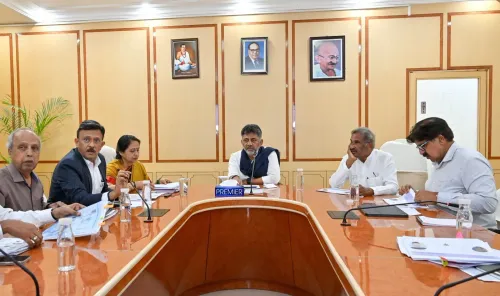
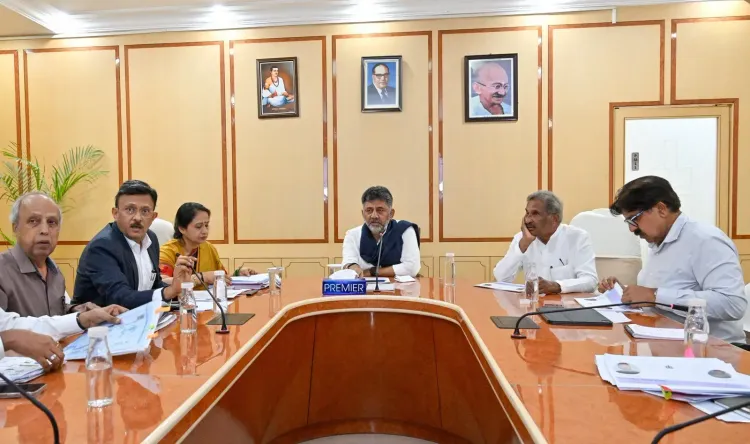
Chief Minister D.K. Shivakumar chaired a high-level progress review of Karnataka's Energy Department at Shakti Bhavan in Bengaluru on July 3, 2026. Energy Minister K.J. George, Chief Secretary Dr. Shalini Rajneesh, KPTCL MD Ram Prasath Manohar, and other senior officials attended the meeting to assess sector performance and ongoing power infrastructure initiatives.
Key Takeaways
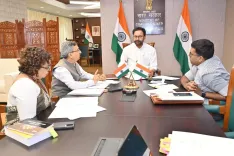
Shivakumar chaired a progress review meeting of Karnataka's Energy Department at Shakti Bhavan, Race Course Road, Bengaluru on July 3, 2026 .
Energy Minister K.J.
George and Chief Secretary Dr.
Shalini Rajneesh were among the senior officials present at the review.
KPTCL Managing Director Ram Prasath Manohar and Karnataka Power Corporation MD Rajendra Cholan represented the state's key power utilities.
The Chief Minister's Economic Adviser L.K.
Ateeq also attended, indicating financial performance of the energy sector was on the agenda.
Karnataka's power sector has been structured as separate generation, transmission, and distribution entities since the Karnataka Electricity Reforms Act of 1999 .
Subsequent policy directives, budget allocations, or revised renewable energy targets may follow from the review.
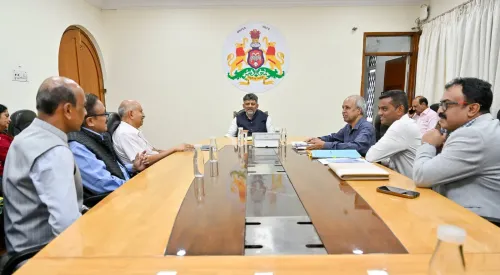
Karnataka Chief Minister D.K. Shivakumar chaired a progress review meeting of the state's Energy Department at Shakti Bhavan on Race Course Road, Bengaluru, on Friday, July 3, 2026. The high-level meeting brought together senior officials from the government and key power-sector utilities to assess the department's performance and ongoing initiatives.
Context
The Chief Minister's Office of Karnataka announced that the review meeting was attended by Energy Minister K.J. George, Chief Secretary Dr. Shalini Rajneesh, and Additional Chief Secretaries Gaurav Gupta and Ritesh Kumar Singh. Also present were the Chief Minister's Economic Adviser L.K. Ateeq, KPTCL Managing Director Ram Prasath Manohar, Karnataka Power Corporation Managing Director Rajendra Cholan, and other senior officials. The gathering at Shakti Bhavan — the headquarters of Karnataka's energy administration — signals a concerted push by the Siddaramaiah-led Congress government to take stock of the sector's current standing.
Policy Backdrop
Karnataka's power sector has been structurally reorganised since the Karnataka Electricity Reforms Act of 1999, which split the erstwhile Karnataka Electricity Board into distinct generation, transmission, and distribution entities. KPTCL (Karnataka Power Transmission Corporation Limited) now oversees electricity transmission across the state, while generation responsibilities rest with the Karnataka Power Corporation and other utilities. Periodic high-level reviews of this kind are a standard mechanism through which successive state governments track capacity additions, infrastructure upgrades, and distribution efficiency.
Karnataka's energy demand has grown steadily, driven by Bengaluru's expanding information technology sector, agricultural pump-set consumption, and industrial clusters across the state. The government has historically maintained a mix of thermal, hydro, and renewable energy sources, supplemented by inter-state power purchases during periods of shortage.
Stakeholders and Impact
The review directly concerns Karnataka's millions of domestic power consumers, large industrial units, and the farming community reliant on subsidised electricity for irrigation. Progress on transmission infrastructure under KPTCL has a direct bearing on power quality and outage frequency across urban and rural areas alike. Energy Minister K.J. George, who has previously held the energy portfolio in Congress-led governments in the state, is expected to steer departmental targets emerging from such reviews.
The presence of the Chief Minister's Economic Adviser L.K. Ateeq at the meeting suggests that financial performance — including tariff rationalisation, revenue collection, and capital expenditure planning — was also on the agenda, though no specific outcomes were disclosed in the official post.
What's Next
Such high-level departmental reviews typically precede revised policy directives, budget re-allocations, or updated targets under frameworks such as the Karnataka Renewable Energy Policy. Observers will watch for follow-up announcements on generation capacity additions, grid modernisation timelines, or any revision to the state's renewable energy commitments. The outcomes of this review could also feed into Karnataka's forthcoming budget deliberations and infrastructure planning cycles.
Point of View
Any disruption to electricity supply or tariff hikes could become a liability. The presence of the Chief Minister's Economic Adviser alongside utility heads suggests the review was as much about fiscal discipline within the power sector as it was about operational performance. This pattern of CM-level oversight of energy utilities is consistent with Karnataka's tradition of treating power infrastructure as a core governance benchmark.
NationPress
3 Jul 2026
Frequently Asked Questions
Why did CM DK Shivakumar hold an Energy Department review meeting?
CM D.K. Shivakumar chaired the progress review meeting to assess the performance and ongoing initiatives of Karnataka's Energy Department, including transmission and generation targets, at Shakti Bhavan in Bengaluru on July 3, 2026.
What is Shakti Bhavan in Bengaluru?
Shakti Bhavan is a government building on Race Course Road in Bengaluru that houses the offices of Karnataka's Energy Department and key power utilities including KPTCL.
Who is KPTCL and what does it do?
KPTCL, or Karnataka Power Transmission Corporation Limited, is a state-owned entity responsible for transmitting electricity across Karnataka. It was created after the restructuring of the Karnataka Electricity Board under the Karnataka Electricity Reforms Act of 1999.
Who attended the Karnataka energy review meeting on July 3, 2026?
The meeting was attended by Energy Minister K.J. George, Chief Secretary Dr. Shalini Rajneesh, Additional Chief Secretaries Gaurav Gupta and Ritesh Kumar Singh, Economic Adviser L.K. Ateeq, KPTCL MD Ram Prasath Manohar, Karnataka Power Corporation MD Rajendra Cholan, and other senior officials.
What decisions came out of the Karnataka Energy Department review?
No specific decisions or outcomes were disclosed in the official announcement. Follow-up policy directives, budget allocations, or revised renewable energy targets are expected to emerge in subsequent announcements.