Kishan Reddy Chairs Mines Ministry Review on Exploration, Ease of Business
Synopsis
Union Mines Minister G. Kishan Reddy on 3 July 2026 chaired a senior-level review at the Ministry of Mines in New Delhi, covering mineral exploration strategies, sustainable mining practices, and ease of doing business — part of India's ongoing push to reform its non-coal mineral sector.
Key Takeaways
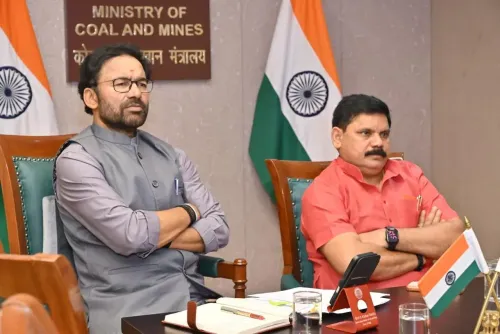
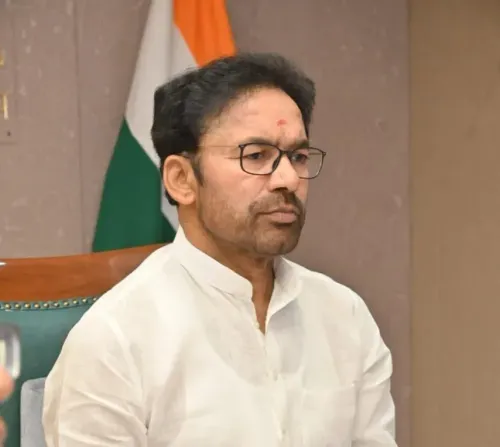
Kishan Reddy , Union Minister of Coal and Mines, chaired a review meeting with senior Ministry of Mines officials in New Delhi on 3 July 2026 .
The meeting assessed ongoing initiatives, project implementation, and strategies across three pillars: mineral exploration, sustainable mining, and ease of doing business.
The review aligns with the Mines and Minerals (Development and Regulation) Amendment Act, 2021 , which introduced auction-based block allocation and expanded private sector participation.
The National Mineral Policy, 2019 , provides the policy foundation emphasising transparency, sustainability, and regulatory ease.
Outcomes from such reviews directly affect mining companies and state governments that rely on mineral royalties and exploration schedules.
India's critical mineral push is tied to Atmanirbhar Bharat goals, particularly reducing import dependence for EV and renewable energy supply chains.
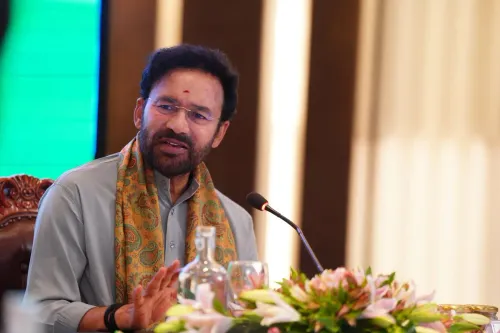
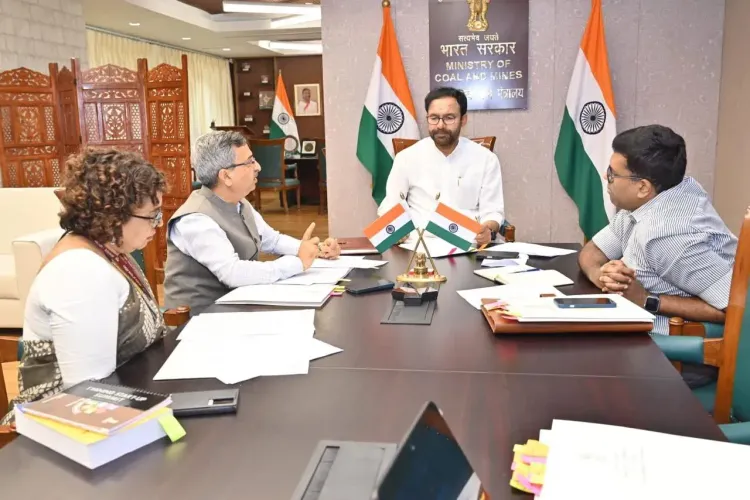
Union Coal and Mines Minister G. Kishan Reddy on Friday, 3 July 2026, chaired a high-level review meeting with senior officials of the Ministry of Mines in New Delhi, focusing on ongoing initiatives, project implementation, and strategies to strengthen mineral exploration, sustainable mining, and ease of doing business in the sector.
Context
The minister convened the meeting to take stock of where key programmes within the mines portfolio stand, examining both the pace of implementation and the strategic direction of reforms. The agenda covered three broad pillars: boosting mineral exploration, advancing sustainable mining practices, and reducing regulatory friction for businesses operating in the sector.
Posting about the meeting on social media, Kishan Reddy wrote that officials discussed 'strategies to boost mineral exploration, sustainable mining, and ease of doing business in the sector,' signalling that the review was substantive rather than ceremonial.
Policy Backdrop
The meeting fits within a broader legislative and policy framework the central government has built over recent years. The Mines and Minerals (Development and Regulation) Amendment Act, 2021, introduced provisions to expedite exploration, expand private sector participation, and shift mineral block allocation to a transparent auction-based system.
The National Mineral Policy, 2019, had earlier set the philosophical foundation — emphasising sustainability, transparency, and ease of doing business while balancing environmental imperatives. Review meetings of this nature serve as routine instruments to monitor how these legislative changes are translating into ground-level outcomes, including the progress of state-level block auctions.
India's push to raise domestic mineral output is also closely tied to its Atmanirbhar Bharat goals, particularly reducing import dependence on critical minerals needed for electric vehicles and the renewable energy transition.
Stakeholders and Impact
The outcomes of such reviews carry direct consequences for mining companies — both public sector undertakings and private players — who depend on timely clearances, predictable auction schedules, and stable exploration incentives to plan capital investments.
State governments are equally key stakeholders, since mineral revenues form a significant share of royalties and district mineral foundation funds in mineral-rich states. Any follow-up directives from the ministry on exploration incentives or environmental clearance timelines would affect state-level planning as well.
For the broader economy, accelerating domestic mineral supply chains is seen as essential to meeting targets in sectors ranging from steel and cement to battery storage and solar manufacturing.
What's Next
Observers will watch for any follow-up guidelines or circulars from the Ministry of Mines on exploration incentives, environmental clearance processes, or the calendar for upcoming mineral block auctions. The ministry's social media handle @MinesMinIndia was tagged in the minister's post, suggesting official communications may follow.
With critical mineral security increasingly central to India's industrial and energy transition ambitions, the direction set in reviews like this one will shape both investor confidence and the pace of domestic supply chain development in the quarters ahead.
Point of View
Kishan Reddy signals ministerial ownership over the pace of implementation, a posture consistent with the government's broader push to position India as a reliable source of critical minerals. The timing is also notable: as global supply chains for EVs and renewables tighten, domestic mineral sector efficiency has moved from a peripheral concern to a strategic priority. Watch whether this review produces concrete follow-up action on exploration incentives or auction timelines, which would be the real test of its policy weight.
NationPress
3 Jul 2026
Frequently Asked Questions
What was the Ministry of Mines review meeting about on 3 July 2026?
Union Mines Minister G. Kishan Reddy chaired the meeting to review ongoing ministry initiatives, assess project implementation, and discuss strategies to boost mineral exploration, sustainable mining, and ease of doing business in the sector.
Who is G. Kishan Reddy?
G. Kishan Reddy is India's Union Minister of Coal and Mines and also serves as the BJP's Telangana state president. He oversees central policy on both the coal and non-coal mineral sectors.
What is the Mines and Minerals (Development and Regulation) Amendment Act, 2021?
The MMDR Amendment Act, 2021 introduced key reforms including auction-based allocation of mineral blocks, expanded private sector participation, and provisions to expedite exploration — forming the legislative backbone of India's current mining reform agenda.
Why is mineral exploration important for India right now?
India is working to reduce import dependence on critical minerals needed for electric vehicles and renewable energy. Accelerating domestic exploration and mining is central to the government's Atmanirbhar Bharat and clean energy transition goals.
How do Ministry of Mines review meetings affect state governments?
State governments are key stakeholders because mineral royalties and district mineral foundation funds form a significant share of their revenues. Decisions on auction schedules, exploration incentives, and clearance timelines directly affect state-level planning and income.