CM Siddaramaiah challenges Modi on delimitation, women's quota
Synopsis
Karnataka Chief Minister Siddaramaiah has asked Prime Minister Narendra Modi how a proposed 50 percent Lok Sabha expansion would strengthen states that implemented population control. He cited a widening seat gap with Uttar Pradesh, demanded an all-party meeting, and said women's reservation should not wait for a larger Parliament.
Key Takeaways
Karnataka Chief Minister Siddaramaiah on 27 November 2026 asked Prime Minister Narendra Modi how proposed delimitation would strengthen states that implemented population-stabilisation policies.
He said a Union Cabinet proposal for a 50% Lok Sabha expansion would take Karnataka from 28 to 42 seats and Uttar Pradesh from 80 to 120, widening the gap from 52 to 78.
The 84th Constitutional Amendment of 2002 froze seat numbers on the 1971 census until the first census after 2026.
Siddaramaiah said women's reservation, enacted in 2023 but tied to census and delimitation, should be implemented within the existing House if the BJP wants it by 2029.
He demanded an all-party meeting, publication of the expansion rationale and alternative delimitation models, and asked Karnataka BJP MPs to oppose any unfair framework.
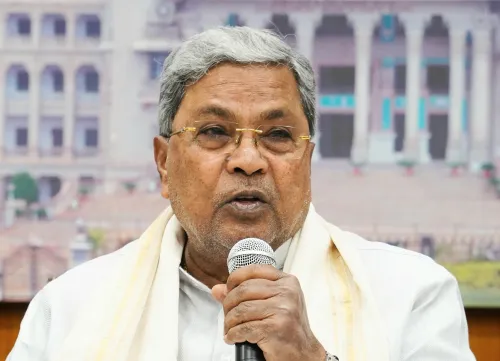
Karnataka Chief Minister Siddaramaiah on Friday night put a blunt question to Prime Minister Narendra Modi — one southern capitals have been circling for years. How, he asked on X, does a proposed delimitation exercise strengthen the political voice of Karnataka and other states that actually implemented India's population-stabilisation policies?
The seat arithmetic Siddaramaiah put on the table
In the post, Siddaramaiah said the Union Cabinet had approved a proposal to increase Lok Sabha seats by 50%. Under that proposal, he argued, Karnataka's tally would rise from 28 to 42 while Uttar Pradesh's would climb from 80 to 120. The numerical gap, he warned, would widen from 52 to 78 seats.
'For Karnataka, political representation is not merely about the number of MPs,' he wrote. 'It is about our political identity, our constitutional rights, our ability to influence national policies and our rightful place in the Indian Union.' That is the heart of the southern complaint. States that brought fertility down first now fear being punished in the very chamber where national policy is made.
The 1971 freeze and a north-south imbalance
The 84th Constitutional Amendment of 2002 froze Lok Sabha and assembly seat numbers on the basis of the 1971 census until the first census after 2026. The freeze was meant to stop penalising states that reduced fertility. Northern states grew faster. Southern states, including Karnataka, did not. When that freeze lifts, a purely population-based redraw would shift relative weight northward — the pattern Siddaramaiah is now putting in public view.
He was explicit that Karnataka seeks neither special privileges nor representation at the expense of another state. What it seeks, he said, is political justice, federal fairness and an enduring constitutional guarantee that the state's achievements will never become its disadvantages.
Women's reservation, locked to census and expansion
On women's reservation, Siddaramaiah said the Congress-led UPA government introduced the Women's Reservation Bill in 2008 and secured its passage in the Rajya Sabha in 2010. The present Union government, he said, chose in 2023 to link implementation to the census and delimitation. The Nari Shakti Vandan Adhiniyam of 2023 did receive presidential assent, but deferred the one-third quota until after the next census and the delimitation that follows.
'Why should women have to wait for an expansion of Parliament to secure their rightful representation?' he asked. If the BJP is committed to implementing the quota by 2029, he said, it should bring the necessary constitutional amendment and implement it within the existing strength of the Lok Sabha and state assemblies — not wait for a larger House.
All-party talks, and a message to Karnataka's BJP MPs
Siddaramaiah demanded that Prime Minister Modi convene an all-party meeting, publish the rationale behind the proposed 50% expansion, and place alternative models of delimitation before the nation. He also turned on BJP legislators from his own state, saying Karnataka MPs 'must stop being mere yes-men to Narendra Modi', rise above party loyalties and oppose any delimitation framework that fails to ensure fair political representation for the state.
The first census after 2026 is the clock now ticking under both fights — seats and the women's quota. Whether New Delhi answers with an all-party table, or lets the numbers speak first, will decide if Karnataka's warning becomes the template for the south.
Point of View
Table alternative models, and delink women's reservation from a larger House. The north-south arithmetic he cites is the core of a federal argument that will sharpen as the first census after 2026 nears. Congress is positioning itself as the defender of southern political weight; the Centre must decide whether an all-party meeting becomes the place to settle parameters before they harden.
NationPress
27 Nov 2026
Frequently Asked Questions
What did Karnataka CM Siddaramaiah say about delimitation?
Siddaramaiah asked Prime Minister Narendra Modi how the proposed delimitation would strengthen Karnataka and other states that implemented population-stabilisation policies. He said a 50 percent Lok Sabha expansion would widen the seat gap with Uttar Pradesh and demanded an all-party meeting on the rationale and alternative models.
How many Lok Sabha seats does Karnataka currently have?
Karnataka currently has 28 Lok Sabha seats. Siddaramaiah said that under a proposal he attributed to the Union Cabinet, that number would rise to 42, while Uttar Pradesh would go from 80 to 120.
Why are southern states concerned about delimitation after 2026?
The 84th Constitutional Amendment froze seat numbers on the 1971 census until the first census after 2026 so that states which reduced fertility would not lose representation. Southern states grew slower than several northern states, so a purely population-based redraw could shrink their relative weight in the Lok Sabha.
How is women's reservation linked to delimitation?
The 2023 Nari Shakti Vandan Adhiniyam deferred one-third reservation for women until after the next census and the delimitation exercise. Siddaramaiah said the UPA had secured Rajya Sabha passage in 2010 and argued the quota should be implemented within the existing strength of the Lok Sabha and assemblies, not after Parliament is expanded.
What did Siddaramaiah demand from PM Modi and Karnataka BJP MPs?
He demanded that the Prime Minister convene an all-party meeting, publish the rationale for a 50 percent expansion, and place alternative delimitation models before the nation. He also called on BJP MPs from Karnataka to oppose any framework that, in his view, fails to ensure fair political representation for the state.