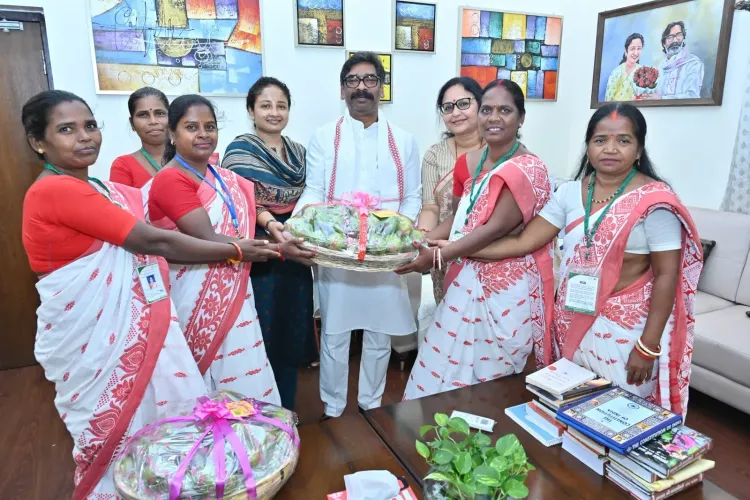
CM Hemant Soren receives Amrapali mangoes from Simdega SHGs
Synopsis
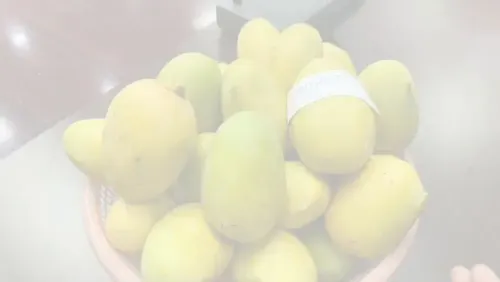
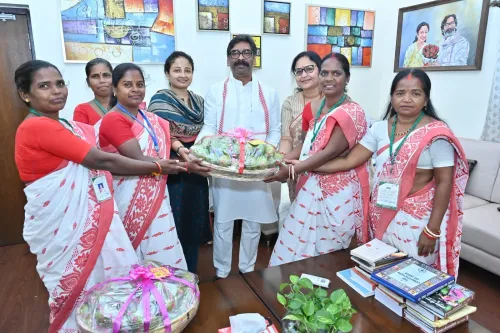
Simdega District Collector Kanchan Singh met Chief Minister Hemant Soren on 9 June 2026 and presented him and MLA Kalpana Soren with Amrapali mangoes produced by the district's Self Help Groups, spotlighting SHG-led horticulture in the tribal district.
Key Takeaways
Simdega District Collector Kanchan Singh met Chief Minister Hemant Soren on 9 June 2026 .
Amrapali mangoes produced by Simdega SHGs were gifted to the Chief Minister and MLA Kalpana Soren .
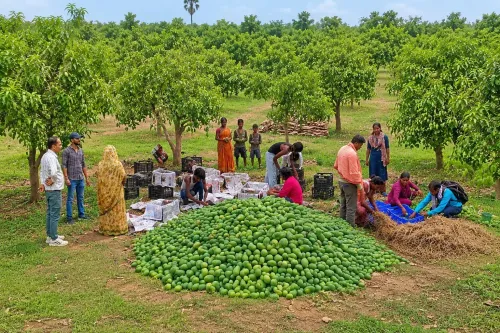
Simdega is a tribal-majority district where SHG-led horticulture, including Amrapali mango cultivation, is an emerging livelihood stream.
The Jharkhand government supports SHGs through micro-credit, training, and market linkage programmes aimed at rural women.
The meeting signals district-level advocacy for SHG agricultural output reaching the highest levels of state leadership.
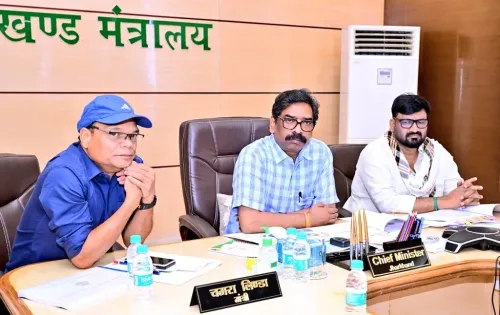
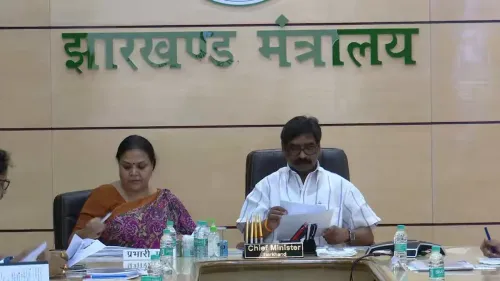
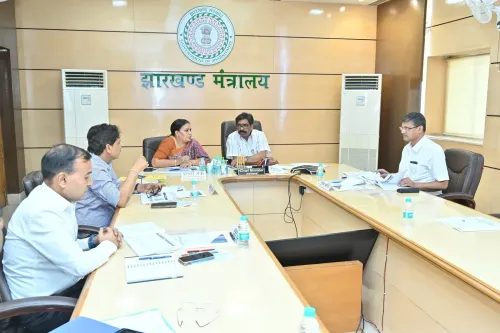
The Chief Minister's Office of Jharkhand on Tuesday, 9 June 2026 announced that Simdega District Collector Kanchan Singh called on Chief Minister Hemant Soren, presenting him and MLA Kalpana Soren with Amrapali mangoes produced by Self Help Groups (SHGs) in Simdega district.
Context
The CMO's post noted: 'SHG dwara utpadit Amrapali aam bhent kiye' ('presented Amrapali mangoes produced by SHGs'). The gesture marked a formal handover of locally grown produce from Simdega's women-led collectives to the state's top leadership, underscoring the district administration's effort to put SHG output in the spotlight.
Simdega is a tribal-majority district in southern Jharkhand with a long tradition of mango cultivation. The Amrapali variety — a hybrid known for high yield and sweet flavour — has increasingly been taken up by SHG clusters as a commercial horticulture crop.
Policy Backdrop
Self Help Groups in Jharkhand operate under state-supported frameworks that provide micro-credit, training, and market linkages to rural women. The Soren government has consistently positioned SHG-led agriculture as a pillar of its tribal welfare and rural economy agenda.
Horticulture, including mango cultivation, has been promoted across tribal districts as a way to diversify farm income beyond paddy. State schemes have encouraged SHGs to take up orchard management, post-harvest handling, and collective marketing of seasonal produce.
Stakeholders and Impact
The primary beneficiaries are the women members of Simdega's SHG network who cultivated and processed the Amrapali mangoes. Recognition at the Chief Minister's level can translate into stronger institutional support — better procurement channels, branding opportunities, and access to state horticulture funds.
Kanchan Singh, as District Collector, plays a direct role in coordinating between SHG federations and state departments. Her visit to the Chief Minister signals active district-level advocacy for local produce and women's enterprise in Simdega.
MLA Kalpana Soren, who received the mangoes alongside the Chief Minister, represents a JMM constituency and her presence at the meeting adds a legislative dimension to the outreach, potentially accelerating follow-up support for the district.
What's Next
Attention will now turn to whether the state translates this symbolic gesture into concrete policy action — such as dedicated procurement of SHG-grown mangoes for state-run canteens, expanded cold-chain infrastructure in Simdega, or inclusion of Amrapali cultivation in upcoming horticulture mission targets.
Broader state moves on marketing SHG produce and horticulture incentives across tribal districts of Jharkhand will be a key indicator of how far this engagement extends beyond a ceremonial exchange.
Point of View
While ceremonial in tone, is a deliberate piece of political communication — placing Chief Minister Soren in direct contact with the fruits of grassroots women's enterprise in a tribal district. For the JMM government, such imagery reinforces its core electoral narrative of tribal welfare and rural empowerment ahead of any future assembly cycle. The inclusion of MLA Kalpana Soren in the frame broadens the political dividend, associating the party's newer legislative face with development optics. Analysts watching Jharkhand's horticulture and SHG policy should note whether this meeting produces any downstream budgetary or procurement action for Simdega.
NationPress
24 Oct 2026
Frequently Asked Questions
What is the Amrapali mango variety?
Amrapali is a hybrid mango variety developed in India, known for its high yield, dwarf tree size suitable for dense planting, and sweet flavour — making it popular for commercial cultivation by SHG clusters in states like Jharkhand.
Who is Kanchan Singh in Jharkhand?
Kanchan Singh is the District Collector of Simdega, responsible for overseeing local administration, development schemes, and coordination between SHG federations and state departments in the district.
What are Self Help Groups in Jharkhand?
Self Help Groups (SHGs) in Jharkhand are state-supported collectives, primarily of rural women, that receive micro-credit and training to run small enterprises including farming, horticulture, and handicrafts.
Why did the Simdega DC visit CM Hemant Soren?
The Simdega District Collector Kanchan Singh called on Chief Minister Hemant Soren on 9 June 2026 and presented Amrapali mangoes produced by Simdega's SHGs, showcasing local agricultural output to the state leadership.
Who is Kalpana Soren?
Kalpana Soren is a JMM-affiliated Member of the Legislative Assembly in Jharkhand who was also present at the meeting and received the SHG-produced Amrapali mangoes alongside Chief Minister Hemant Soren.