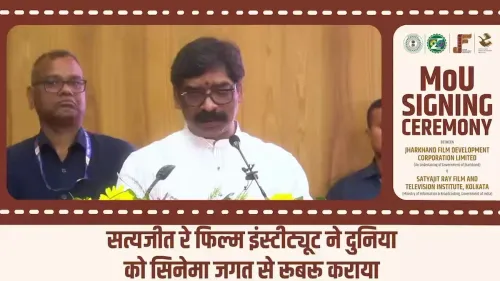
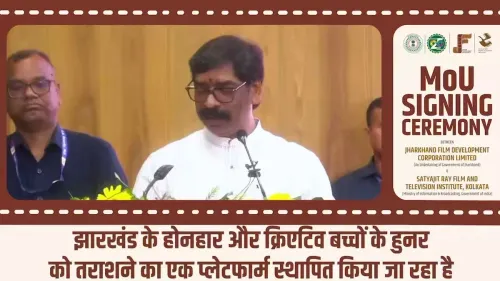
CM Soren Launches Jharkhand Film and Television Institute
Synopsis
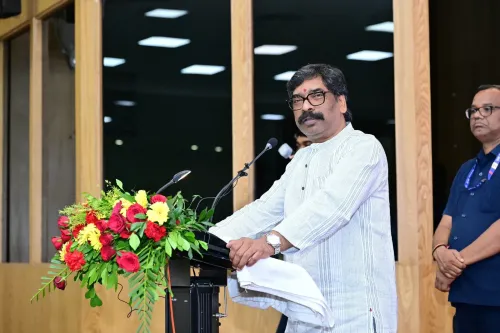
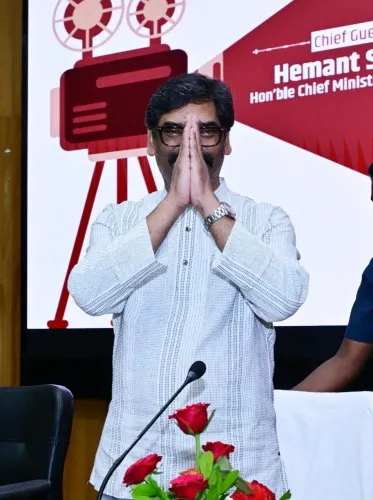
Jharkhand CM Hemant Soren on 22 July 2026 inaugurated the Jharkhand Film and Television Institute and met local filmmakers and artists, pledging to use the state-backed body to amplify Jharkhand's tribal art and cultural identity on the national stage.
Key Takeaways
Jharkhand Chief Minister Hemant Soren inaugurated the Jharkhand Film and Television Institute on 22 July 2026 .
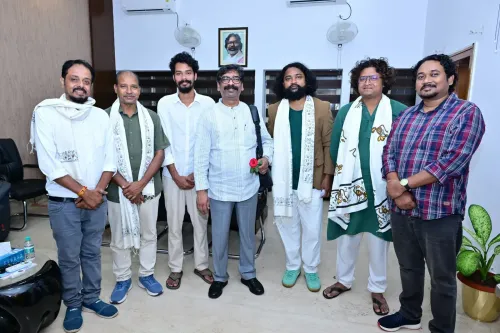
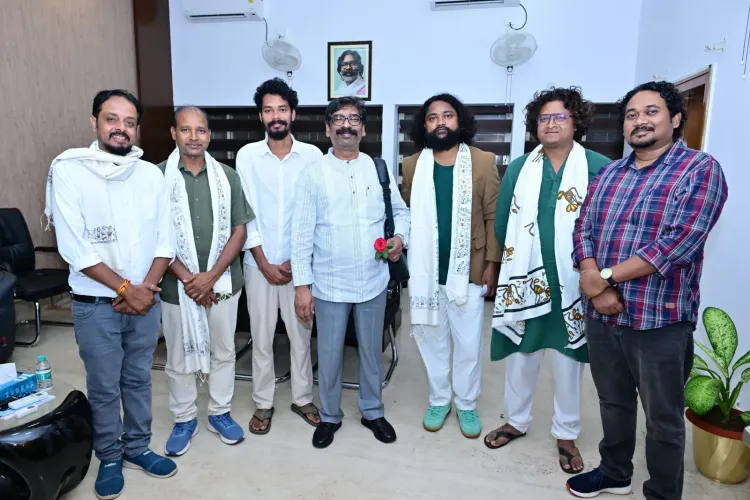
Soren met local directors, filmmakers and artists from Jharkhand's film world immediately after the launch event.
Jharkhand , formed in 2000 , has a distinct tribal cultural heritage including Sohrai paintings and Chhau dance that the institute aims to promote through screen media.
The initiative follows a national trend of Indian states building regional film and media training bodies outside the Mumbai and Chennai clusters.
The institute is expected to provide structured training for directors, actors and technicians, helping retain skilled youth within the state.
Key milestones to watch include the rollout of first courses, student selection criteria and potential tie-ups with national film bodies or festivals.
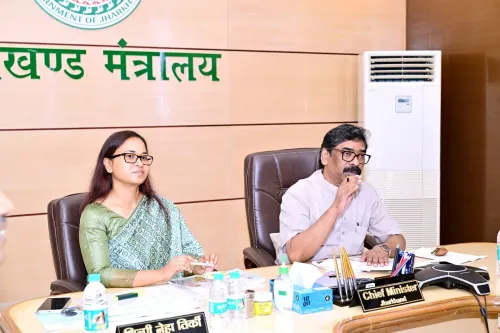
Jharkhand Chief Minister Hemant Soren on Wednesday, 22 July 2026 met filmmakers, directors and artists from the state following the inauguration of the Jharkhand Film and Television Institute, marking a significant step toward building a formal media-arts infrastructure in the state.
Posting on X after the launch event, Soren wrote: 'फिल्म जगत में झारखंड के प्रतिभावान निर्देशकों और कलाकारों से आज झारखण्ड फिल्म एंड टेलीविजन इंस्टीट्यूट के शुभारंभ कार्यक्रम के बाद मुलाकात हुई।' ('Today, after the inauguration of the Jharkhand Film and Television Institute, I met talented directors and artists from the world of cinema in Jharkhand.') He added that their talent, creativity and dedication would forge a new identity for Jharkhand, and that together they would carry forward the state's rich art and culture.
Context
Jharkhand, carved out as a separate state in 2000, has long sought institutional frameworks to protect and promote its distinct tribal heritage — including Sohrai paintings, Chhau dance, and a constellation of indigenous languages. The launch of a dedicated film and television institute represents the state government's effort to translate that cultural wealth into a modern creative economy. The Chief Minister's personal meeting with artists after the inauguration signals the administration's intent to build a sustained relationship with the local filmmaking community.
Policy Backdrop
Several Indian states have established regional film and media training bodies in recent years, seeking to nurture talent outside the dominant Mumbai and Chennai production clusters. Jharkhand's move fits squarely within this national pattern, using cultural infrastructure not only to preserve indigenous narratives but also to diversify a state economy historically dependent on mining and heavy industry. Institutes of this kind typically aim to retain skilled youth within the state, reducing the talent drain that smaller states often experience.
The state's commitment to cultural institutions dates to its formation, when early policy frameworks prioritised the protection of tribal performing arts and visual culture. The Jharkhand Film and Television Institute extends that lineage into the domain of contemporary screen media, offering a structured pathway for aspiring directors, actors and technicians from the region.
Stakeholders and Impact
The most immediate beneficiaries are local filmmakers, tribal artists and media aspirants who have historically had to relocate to metropolitan centres to access professional training. A state-backed institute provides infrastructure, mentorship and credibility closer to home. For the broader cultural ecosystem, an institution that foregrounds Jharkhand's languages, landscapes and stories could open new avenues at national film festivals and on digital streaming platforms increasingly hungry for regional content.
Soren closed his post with 'झारखंडी जोहार' — a traditional Jharkhand greeting of respect — underscoring the administration's framing of this initiative as a cultural homecoming rather than a purely administrative exercise.
What's Next
Attention will now turn to the rollout of the institute's first courses, student selection criteria, and any formal linkages it may establish with national film bodies or prominent festivals. The government's ability to attract experienced faculty and build industry partnerships will be critical to the institute's long-term credibility. How quickly the first cohort of trained talent produces work that reaches audiences beyond Jharkhand will serve as the clearest measure of the initiative's success.
Point of View
Soren reinforces a political brand built around Adivasi pride and indigenous cultural assertion. The move also fits a wider pattern of non-BJP state governments investing in cultural infrastructure as a tool of subnational identity-building. The institute's real test will be institutional depth: whether it attracts serious faculty and produces work that travels beyond state borders will determine if this becomes a lasting legacy or a symbolic headline.
NationPress
22 Jul 2026
Frequently Asked Questions
What is the Jharkhand Film and Television Institute?
The Jharkhand Film and Television Institute is a state-backed institution launched by the Jharkhand government to train directors, actors and technicians from the state, with a focus on promoting Jharkhand's indigenous culture and languages through screen media.
Who inaugurated the Jharkhand Film and Television Institute?
Jharkhand Chief Minister Hemant Soren inaugurated the institute on 22 July 2026 and met local filmmakers and artists after the launch ceremony.
Why did Jharkhand start its own film institute?
The institute aims to provide professional media training to local talent, retain skilled youth within the state, and use cinema as a platform to amplify Jharkhand's tribal art forms, languages and cultural heritage on a national and global stage.
How does Jharkhand's film institute compare to similar bodies in other states?
Several Indian states have established regional film and media training bodies to nurture talent outside the dominant Mumbai and Chennai production hubs. Jharkhand's institute follows this national pattern, with an added emphasis on indigenous tribal narratives.
What happens next after the Jharkhand Film and Television Institute launch?
The focus will shift to the rollout of first courses, student selection criteria, faculty appointments and potential partnerships with national film bodies or festivals, which will determine the institute's long-term impact.