CM Sukhu Links Sports Push to Anti-Drug Fight in HP
Synopsis
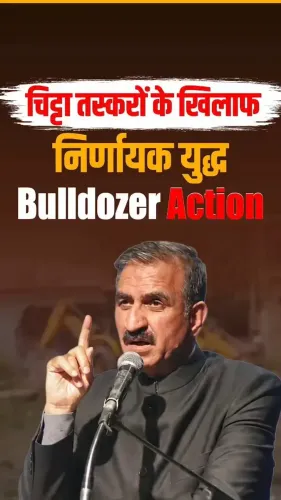
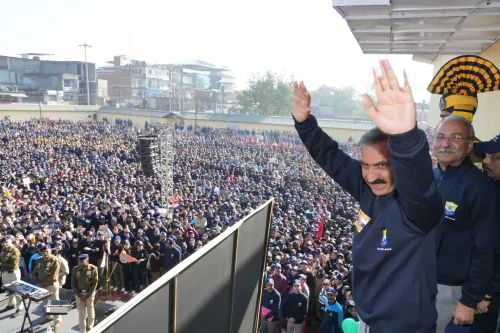
Himachal Pradesh CM Sukhvinder Singh Sukhu on 10 June 2026 declared chitta a threat to youth dreams and reaffirmed his government's push to build sports culture as a preventive counter to drug abuse in the state.
Key Takeaways
CM Sukhvinder Singh Sukhu posted on 10 June 2026 linking sports promotion directly to the fight against chitta, a heroin-based drug.
He described chitta as hollowing out the 'energy, capability and dreams' of young people in Himachal Pradesh .
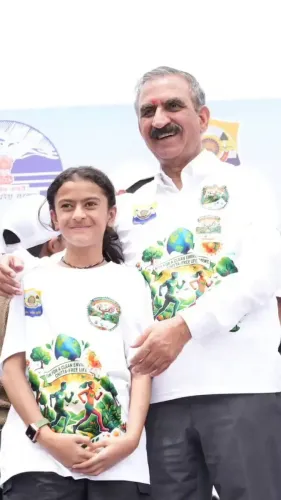
The government has committed to creating a 'positive and empowered environment' for youth through sports culture.
Himachal Pradesh follows a broader national pattern of pairing sports infrastructure with anti-narcotics messaging.
The Khelo India scheme (launched 2017 ) and the National Sports Policy 2001 provide the central policy framework underpinning such state-level efforts.
Rollout of sports academies and new budgetary allocations in upcoming assembly sessions will determine the practical impact of this stated commitment.
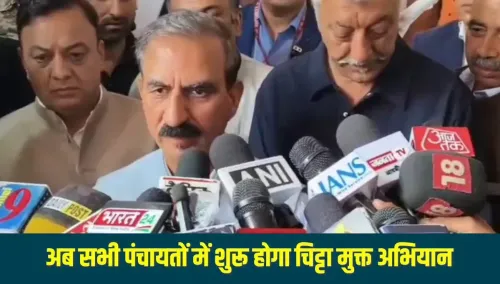
Himachal Pradesh Chief Minister Sukhvinder Singh Sukhu on Wednesday, 10 June 2026, called out chitta — a potent heroin-based drug prevalent in the hill state — as a destroyer of youth potential, and reaffirmed his government's commitment to building a sports culture as a direct counter to substance abuse.
Context
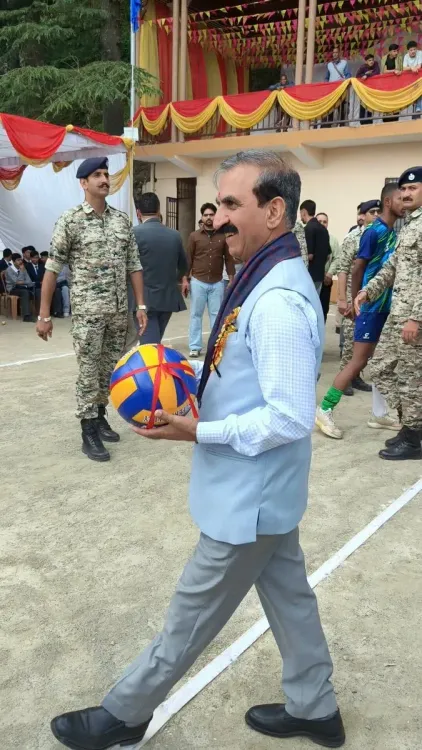
Posting in Hindi on X, CM Sukhu wrote: 'Chitta yuvaon ki urja, kshamata aur sapnon ko khokha kar deta hai' — 'Chitta hollows out the energy, capability and dreams of youth' — while sports, he said, give young people the chance to forge a new identity through discipline, self-confidence and hard work. The post, accompanied by a video, frames sports not merely as recreation but as a preventive social intervention against narcotics.
Chitta, a colloquial term for heroin and synthetic opioids, has become a serious public-health concern across Himachal Pradesh, particularly in districts bordering Punjab. The state's proximity to drug-trafficking corridors has made youth addiction one of the most politically charged issues in recent assembly sessions.
Policy Backdrop
The Congress government in Himachal Pradesh, in power since the December 2022 assembly elections, has repeatedly cited sports infrastructure as a pillar of its youth policy. CM Sukhu stated that his administration is 'continuously making new efforts to strengthen sports culture, provide positive opportunities to youth, and create an empowered environment against addiction.'
This approach aligns with the Khelo India scheme, launched by the central government in 2017, which funds grassroots sports participation and talent identification at the district and state levels. The older National Sports Policy of 2001 had similarly emphasised integrating physical activity with education as a tool for social development.
Several Indian states have explicitly paired sports promotion with anti-narcotics messaging, treating stadiums, academies and school tournaments as preventive infrastructure. Himachal Pradesh is now a prominent example of this dual-purpose framing.
Stakeholders and Impact
The primary beneficiaries of such a policy direction are Himachal Pradesh's estimated youth population — students, school athletes and young adults in semi-urban and rural areas who lack structured recreational facilities. Educational institutions are key delivery points, as school-level competitions are typically the first rung of any state sports programme.
Aspiring athletes stand to gain from improved infrastructure and talent-scouting pipelines, while families affected by drug dependency see sports promotion as a community-level deterrent. Civil society groups working on addiction rehabilitation have long advocated for exactly this kind of preventive, activity-based model.
What's Next
Observers will watch whether CM Sukhu's statement translates into concrete budgetary allocations — such as new sports academies, district-level competitions or school sports grants — in the upcoming Himachal Pradesh assembly session. The government's ability to expand physical infrastructure in remote hill districts, where both drug access and sports facilities remain limited, will be the real test of the policy's reach and impact.
Point of View
Giving the Congress government a proactive rather than purely punitive anti-drug identity. By invoking sports as the antidote, Sukhu positions his administration within a well-established national policy arc that runs from the National Sports Policy 2001 through Khelo India, lending credibility to what is, for now, a statement of intent. The framing also pre-empts opposition criticism that the Congress government has been reactive on drug enforcement, shifting the narrative toward youth empowerment. Whether this translates into measurable infrastructure investment or remains aspirational rhetoric will define its long-term political and social value.
NationPress
25 Sept 2026
Frequently Asked Questions
What is chitta and why is it a problem in Himachal Pradesh?
Chitta is a street term for heroin and synthetic opioids that has become widespread in Himachal Pradesh, particularly in districts near Punjab's drug-trafficking corridors, severely affecting young people.
What did CM Sukhu say about sports and drug abuse?
CM Sukhu said chitta destroys the energy, capability and dreams of youth, while sports offer them discipline, self-confidence and a new identity built on hard work.
What is the Himachal Pradesh government doing to promote sports?
The state government has stated it is continuously working to strengthen sports culture, provide positive opportunities to youth, and build an empowered environment against addiction, in line with central schemes like Khelo India.
What is the Khelo India scheme?
Khelo India is a central government programme launched in 2017 to promote grassroots sports participation, provide infrastructure at state and district levels, and identify sporting talent across India.
How does sports promotion help fight drug abuse among youth?
Several Indian states, including Himachal Pradesh, use sports infrastructure and school competitions as preventive tools, giving young people structured activity and a sense of purpose as an alternative to substance abuse.