CM Sukhu Launches Phase 2 of Anti-Chitta Drive in HP Schools
Synopsis
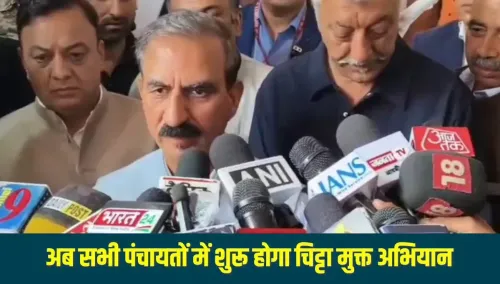
Himachal Pradesh CM Sukhvinder Singh Sukhu has launched Phase 2 of a state-wide anti-chitta people's movement, directing Deputy Commissioners and Superintendents of Police to conduct drug-awareness sessions in schools and colleges, while newly elected panchayat heads are administered a 'Chitta-Mukt Himachal' pledge.
Key Takeaways
Phase 1 of the anti-chitta jan-andolan in Himachal Pradesh has been declared successfully completed by CM Sukhvinder Singh Sukhu .
Phase 2 will deploy Deputy Commissioners and Superintendents of Police directly into schools and colleges to sensitise youth on drug abuse.
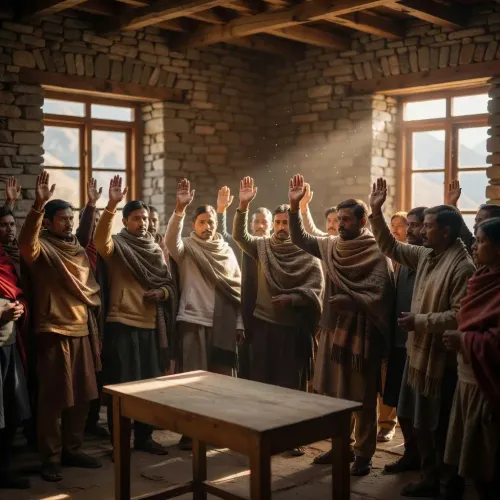
Newly elected panchayat pradhans and up-pradhans have been formally inducted into the campaign and administered a 'Chitta-Mukt Himachal' pledge.
The campaign is framed as a broad people's movement with wide public support, extending governance accountability to the grassroots panchayat level.
The approach mirrors the Nasha Mukt Bharat Abhiyan model, combining community mobilisation with structured outreach in educational institutions.
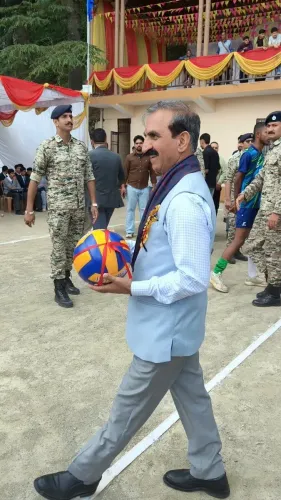
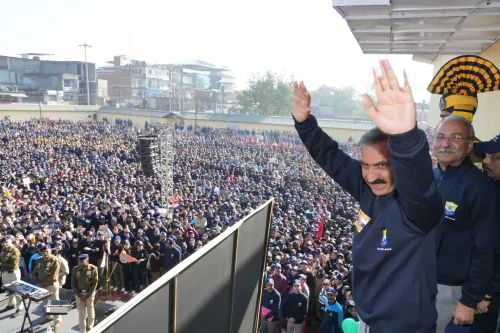
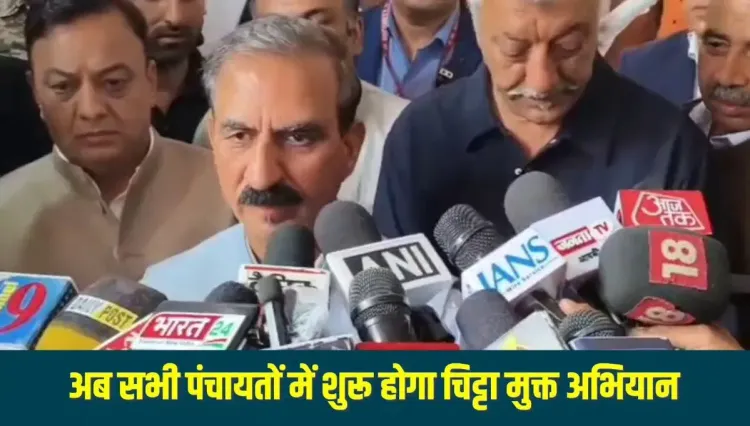
Himachal Pradesh Chief Minister Sukhvinder Singh Sukhu announced on Monday, 15 June 2026 that the state government's mass people's movement against chitta — a street name for heroin-based synthetic drugs — has successfully completed its first phase and is now entering a second, school-focused phase. The campaign, framed as a jan-andolan (people's movement), has drawn broad public support across the state, according to Sukhu.
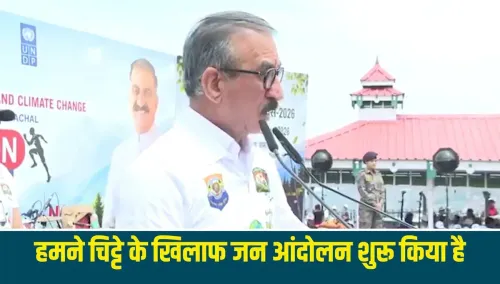
In his post, the Chief Minister wrote: 'हमारी सरकार ने चिट्टा के खिलाफ पूरे प्रदेश में जन-आंदोलन शुरू किया है' ('Our government has launched a people's movement against chitta across the entire state'). He added that newly elected panchayat heads and deputy heads have been inducted into the campaign and administered a pledge for a 'Chitta-Mukt Himachal' — a chitta-free Himachal Pradesh.
Context
Himachal Pradesh has faced a documented and worsening narcotics challenge, particularly in tourist corridors and districts bordering Punjab. Chitta, a cheap and potent synthetic opioid, has penetrated rural and semi-urban youth populations, making it a central political and public-health concern for the state administration. Chief Minister Sukhu, who took office in December 2022, has repeatedly cited drug abuse as among the most urgent governance priorities of his Indian National Congress government.
Policy Backdrop
The state campaign draws on the architecture of the central government's Nasha Mukt Bharat Abhiyan, launched in August 2020 by the Ministry of Social Justice and Empowerment, which initially covered 272 high-prevalence districts and included school and college outreach as a core component. Himachal Pradesh's phased approach — beginning with community mobilisation and panchayat pledges before moving into educational institutions — mirrors models adopted in Punjab and Haryana, where similar sequencing was used to build administrative momentum before targeting students directly.
The involvement of Deputy Commissioners and Superintendents of Police in Phase 2 signals an elevation of the campaign's institutional weight, moving beyond awareness rallies to structured outreach within the formal education system.
Stakeholders and Impact
The most immediate beneficiaries of Phase 2 are students in Himachal Pradesh's schools and colleges, who will receive direct sensitisation sessions from senior district officials — an unusual deployment of administrative rank for a preventive health drive. Newly elected panchayat pradhan and up-pradhan (heads and deputy heads of village councils) have been formally co-opted into the movement, extending the campaign's reach into gram panchayat governance structures across the state.
This panchayat-level integration is significant: it creates a peer-accountability layer at the grassroots, where elected local leaders are now publicly committed to the 'Chitta-Mukt Himachal' pledge, giving the campaign a political and social durability beyond departmental enforcement cycles.
What's Next
The rollout of awareness sessions by Deputy Commissioners and Superintendents of Police in educational institutions across Himachal Pradesh will be the key operational test of Phase 2. Observers will watch whether formal reporting mechanisms are established to track school coverage, panchayat participation rates, and any measurable change in drug-related incidents at the district level. If the phased model proves effective, it could serve as a template for other hill states grappling with synthetic drug penetration in remote communities.
Point of View
Signalling that the campaign is not merely rhetorical. The co-option of newly elected panchayat leaders through a formal pledge is a shrewd political move: it binds grassroots Congress-aligned and independent local bodies to a visible governance deliverable ahead of any state election cycle. The phased structure also provides the government with a built-in narrative of progress, allowing it to claim momentum even before outcome data is available. Himachal Pradesh's model will be closely watched by other hill and border states where synthetic opioids have outpaced traditional enforcement responses.
NationPress
19 Sept 2026
Frequently Asked Questions
What is chitta and why is it a problem in Himachal Pradesh?
Chitta is a street name for a cheap, potent synthetic opioid — often heroin-based — that has spread rapidly among youth in Himachal Pradesh, particularly in tourist districts and areas bordering Punjab. The state government has identified it as one of the most urgent public-health and governance challenges facing the state.
What is the 'Chitta-Mukt Himachal' campaign?
'Chitta-Mukt Himachal' means 'Chitta-Free Himachal Pradesh.' It is a state-wide people's movement launched by the CM Sukhu-led government to eradicate chitta drug abuse through community mobilisation, panchayat-level pledges, and awareness drives in schools and colleges.
What will happen in Phase 2 of the anti-chitta campaign?
In Phase 2, Deputy Commissioners and Superintendents of Police will visit schools and colleges across Himachal Pradesh to conduct awareness sessions on the harmful effects of drug abuse, particularly targeting young students.
What role do panchayat leaders play in this campaign?
Newly elected panchayat pradhans (heads) and up-pradhans (deputy heads) have been formally inducted into the campaign and administered the 'Chitta-Mukt Himachal' pledge, making them accountable community-level champions of the anti-drug drive.
Is there a central government scheme related to this campaign?
Yes. The central government's Nasha Mukt Bharat Abhiyan, launched in August 2020 by the Ministry of Social Justice and Empowerment, provides a policy framework that includes school and college outreach in high drug-prevalence districts — a model Himachal Pradesh's phased campaign closely follows.