CM Sukhu flags off 35 HRTC electric buses from Hamirpur ISBT
Synopsis
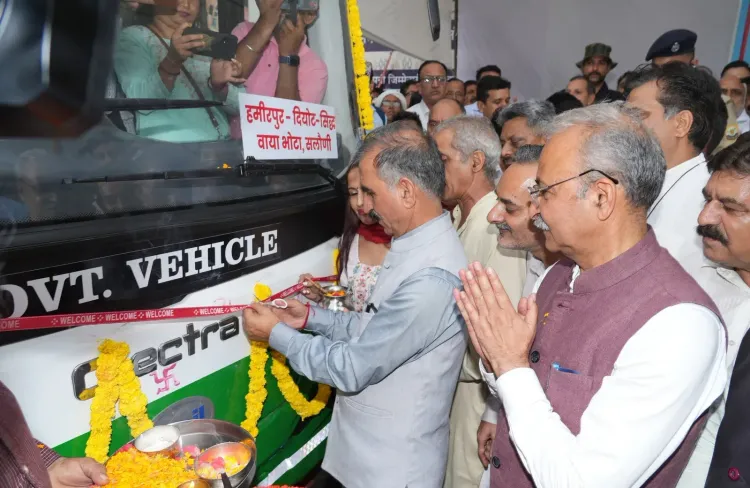
Himachal Pradesh CM Sukhvinder Singh Sukhu flagged off 35 HRTC electric buses from Hamirpur's ISBT on 14 August 2026, boosting clean, comfortable public transport across villages and towns in his home district.
Key Takeaways
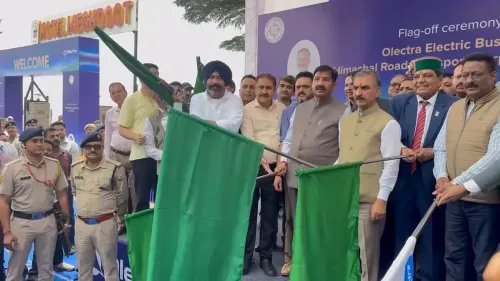
35 HRTC electric buses were flagged off by CM Sukhu from Hamirpur's ISBT bus stand on 14 August 2026 .
Hamirpur is CM Sukhu's home district; he described bus connectivity there as a 'lifeline' linking villages and towns.
The new fleet promises zero-emission, comfortable travel for thousands of daily commuters on Hamirpur routes.
HRTC , Himachal Pradesh's state transport corporation, operates the buses across the hill state's difficult terrain.
The central government's FAME-II scheme (2019) provided subsidy support for electric bus procurement by state transport undertakings.
Charging infrastructure rollout across mountain districts will be the critical next step for fleet sustainability.
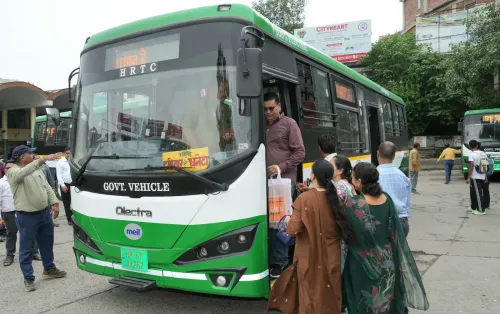
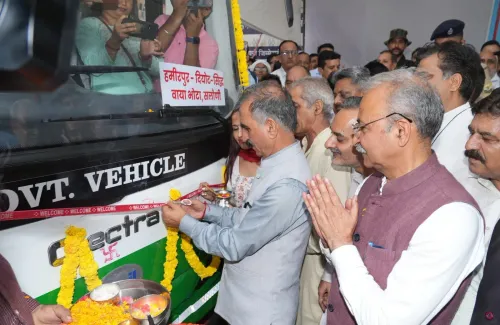
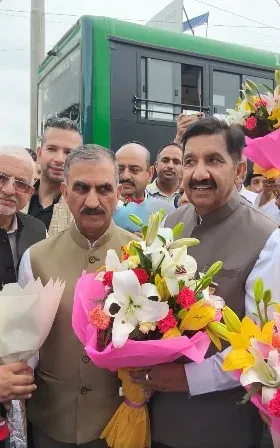
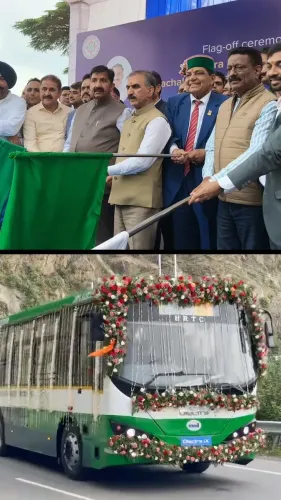
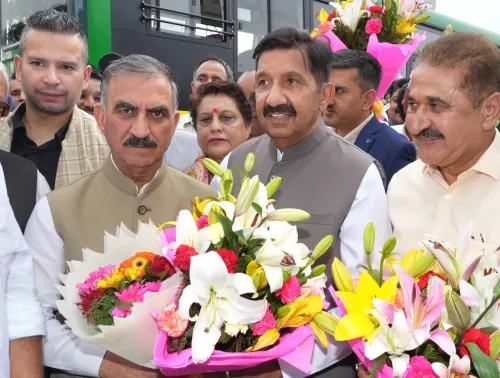
Thirty-five electric buses rolled out of Hamirpur's ISBT bus stand on Friday, 14 August 2026, flagged off by Himachal Pradesh Chief Minister Sukhvinder Singh Sukhu in his home district — a moment that puts clean public transport on mountain roads where diesel has long ruled.
Flagging off the fleet, CM Sukhu described bus connectivity in Hamirpur as more than a commuter service. 'बस सेवा आवागमन का साधन होने के साथ-साथ गांवों और कस्बों को जोड़ने वाली जीवनरेखा है' ('Bus service is not just a means of travel — it is the lifeline connecting villages and towns'), he said, adding that thousands of passengers rely on these routes every single day.
35 buses, one fleet, Hamirpur's daily commuters
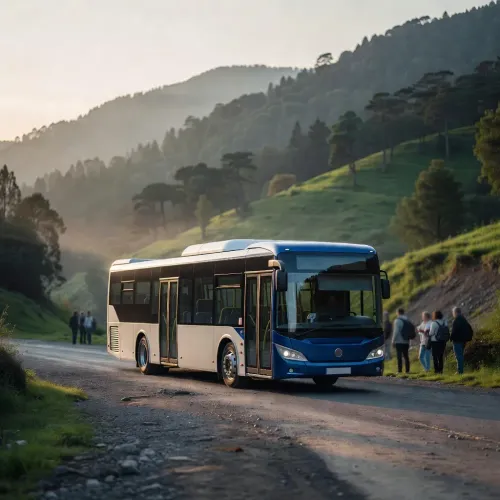
The new electric buses are operated by Himachal Road Transport Corporation (HRTC), the state-owned carrier that threads together the hill state's remote valleys and district centres. Sukhu said the new fleet will deliver 'comfortable and convenient travel' to passengers while contributing meaningfully to environmental protection through zero-emission operations. For a district where bus routes are often the only practical link between a village and a town, the upgrade is tangible.
Hill terrain, green transition, and the FAME-II thread
Himachal Pradesh's mountainous geography makes reliable bus connectivity non-negotiable — and it also makes the shift to electric buses a genuine engineering and logistical bet. The central government's FAME-II scheme, approved in 2019, provided procurement subsidies for electric buses to state transport undertakings, including those operating in hill states, laying the financial groundwork for fleet transitions like this one. Indian states have been incrementally adding electric buses to cut both operational costs and tailpipe emissions; Himachal's terrain adds a layer of complexity that makes each successful rollout a proof point for the broader national push.
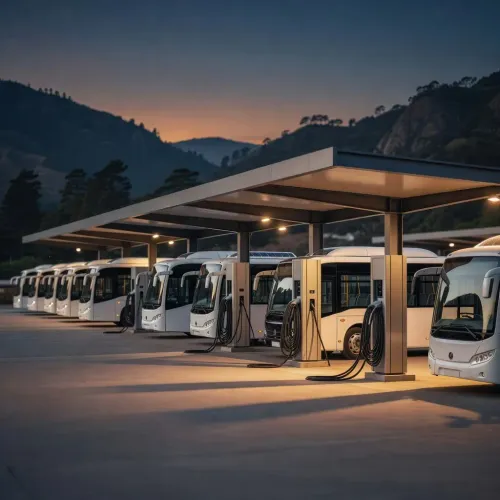
The next question is infrastructure: charging stations, depot upgrades, and grid reliability across mountain districts will determine whether today's 35 buses are a pilot or a pattern.
Point of View
However, is whether Himachal's mountain grid and depot infrastructure can support scaled EV operations — that operational follow-through will determine whether this moment becomes a genuine policy milestone or a well-photographed ceremony.
NationPress
14 Aug 2026
Frequently Asked Questions
How many electric buses did CM Sukhu flag off in Hamirpur?
CM Sukhvinder Singh Sukhu flagged off 35 HRTC electric buses from Hamirpur's ISBT bus stand on 14 August 2026 .
What is HRTC and why does it matter in Himachal Pradesh?
HRTC (Himachal Road Transport Corporation) is the state-owned bus service that connects remote villages, towns, and district centres across Himachal Pradesh's mountainous terrain, making it essential public infrastructure for daily commuters.
What is the FAME-II scheme and how does it relate to electric buses in Himachal?
The FAME-II scheme , approved by the central government in 2019 , provides subsidies to state transport undertakings — including hill states — for procuring electric buses, helping fund fleet transitions like the one in Hamirpur.
What are the benefits of the new HRTC electric buses for passengers?
The new electric buses offer more comfortable and convenient travel compared to older diesel fleets, while producing zero direct emissions — reducing both pollution and long-term operational fuel costs.
What challenges does Himachal Pradesh face in expanding its electric bus fleet?
Himachal Pradesh's mountainous geography demands robust charging infrastructure and reliable grid connectivity at depots across hill districts — the key logistical hurdle for any large-scale HRTC electric fleet expansion.