CM Sukhu Launches 'Pangi Apple' Brand for HP's First Natural Farming Zone

Synopsis
Himachal Pradesh CM Sukhvinder Singh Sukhu launched the 'Pangi Apple' brand on 24 October 2026, giving India's first natural farming subdivision a distinct market identity, subsidised packaging, and a path to better incomes for 6,300 tribal farm families.
Key Takeaways
CM Sukhu launched the 'Pangi Apple' brand in Pangi Valley on 24 October 2026 .
Pangi is Himachal Pradesh's first natural farming subdivision , declared entirely chemical-free.
The valley has over 1,04,000 apple plants on 370 hectares ; estimated output this season is 550 metric tonnes (35,000 boxes) .
10 kg and 20 kg Pangi Apple cartons will be provided to growers at a 50 percent subsidy .
Previously, Pangi apples were sold under the 'Kullu Apple' or 'Kinnaur Apple' labels, denying local producers their own brand identity.
The initiative is expected to benefit approximately 6,300 farming families in the remote tribal subdivision.
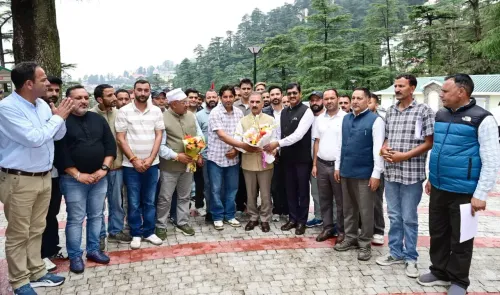
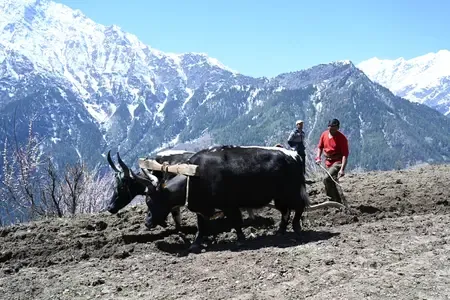
For years, the apples grown deep in Pangi Valley — a remote tribal subdivision of Chamba district, Himachal Pradesh — reached consumers wearing someone else's name. That changes today. On Saturday, 24 October 2026, Himachal Pradesh Chief Minister Sukhvinder Singh Sukhu launched the 'Pangi Apple' brand, giving the valley's naturally farmed produce a distinct market identity for the first time.
A Valley That Grew Apples Under Borrowed Names
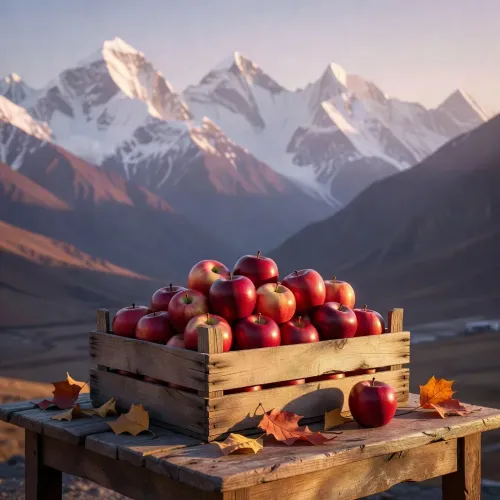
Pangi's apples were sold for years under the labels 'Kullu Apple' or 'Kinnaur Apple' — better-known regional brands that overshadowed the valley's own produce. The new brand corrects that erasure. Chief Minister Sukhu announced that 10 kg and 20 kg capacity 'Pangi Apple' cartons will now be made available to growers at a 50 percent subsidy, enabling the produce to reach buyers with a clear, traceable origin.
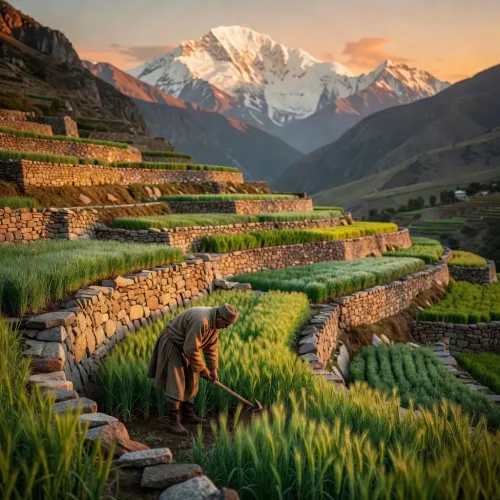
Pangi holds a unique distinction in the state: it is Himachal Pradesh's first natural farming subdivision — a zone declared entirely free of chemical inputs. The valley is home to over 1,04,000 apple plants spread across 370 hectares, with an expected output of roughly 550 metric tonnes (approximately 35,000 boxes) this season.
What Natural Farming Means for 6,300 Farm Families
The brand launch is not just a marketing exercise — it is framed as a livelihood intervention for roughly 6,300 farming families in one of the state's most geographically isolated tribal regions. By securing premium positioning for chemical-free apples under a proprietary label, the Himachal Pradesh government is betting that origin-specific branding can translate directly into better farmgate prices.
Himachal Pradesh is India's second-largest apple producer, after Jammu and Kashmir, and established regional labels from Kullu and Kinnaur already command strong market premiums. Bringing Pangi into that branded ecosystem — rather than letting its harvest subsidise someone else's label — addresses a long-standing equity gap for tribal growers in the Chamba hinterland.
The Bigger Push: Chemical-Free Agriculture as Economic Policy
The Sukhu government has positioned natural farming not merely as an environmental commitment but as an economic strategy — a way to access premium, health-conscious markets increasingly willing to pay more for traceable, residue-free produce. Pangi's designation as the state's first natural farming subdivision makes it a test case: if branded, subsidised packaging drives measurable income gains here, the model could extend to other tribal subdivisions across the state.
For now, the immediate signal is clear — Pangi apples will no longer disappear into a generic box. They will carry their own name, their own story, and — the government hopes — their own price.
Point of View
The Sukhu government is following the same playbook that made 'Kinnaur Apple' a consumer byword — but applying it to a tribal area previously locked out of that value chain. The 50 percent carton subsidy lowers the barrier to adoption quickly, suggesting the government wants visible results before the next electoral cycle. The deeper signal is that natural farming is being positioned not as an ideological posture but as a market-access lever — one that, if Pangi's season-end sales figures hold up, could become a blueprint for HP's other chemically-underserved tribal subdivisions.
NationPress
24 Oct 2026
Frequently Asked Questions
What is the Pangi Apple brand?
'Pangi Apple' is a new agricultural brand launched by the Himachal Pradesh government on 24 October 2026 for apples grown through natural, chemical-free farming in Pangi Valley, Chamba district — giving the produce its own market identity after years of being sold under broader regional labels.
Where is Pangi Valley and why is it significant for farming?
Pangi Valley is a remote tribal subdivision in Chamba district, Himachal Pradesh. It has been designated as the state's first natural farming subdivision, meaning all cultivation is carried out without chemical inputs, making its apples eligible for premium, residue-free market positioning.
What subsidy is available for Pangi Apple cartons?
The Himachal Pradesh government is providing 10 kg and 20 kg 'Pangi Apple' branded cartons to growers at a 50 percent subsidy to help them package and market their produce under the new brand.
How many farmers will benefit from the Pangi Apple brand launch?
The initiative is expected to benefit approximately 6,300 farming families in Pangi Valley by strengthening their livelihoods, promoting local entrepreneurship, and creating new economic opportunities in the tribal region.
How much apple production is expected from Pangi this season?
The Himachal Pradesh government estimates production of around 550 metric tonnes — roughly 35,000 boxes — from over 1,04,000 apple plants cultivated across approximately 370 hectares in Pangi Valley this season.