CM Sukhu Marks World Nature Conservation Day
Synopsis
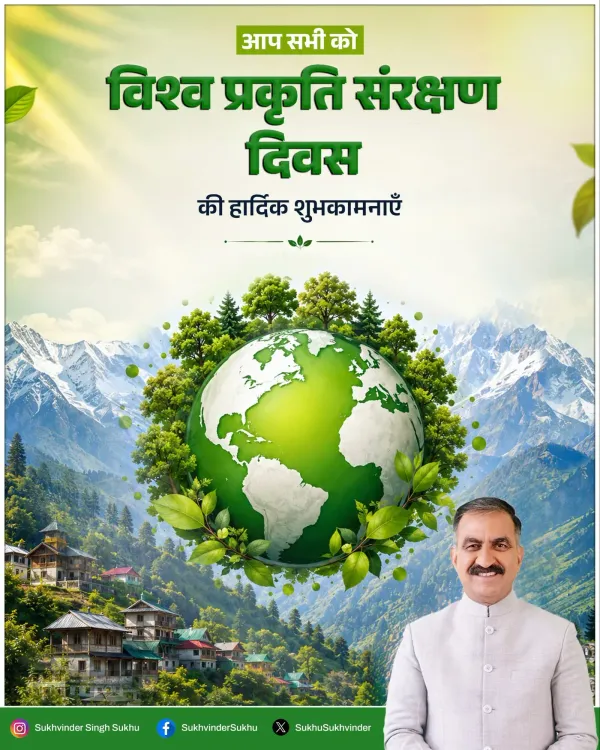
On World Nature Conservation Day, 28 July 2026, Himachal Pradesh Chief Minister Sukhvinder Singh Sukhu called on citizens to pledge protection of the state's valleys, deodar forests, and rivers, framing them as priceless heritage for future generations.
Key Takeaways
Chief Minister Sukhvinder Singh Sukhu posted a conservation message on 28 July 2026 , marking World Nature Conservation Day .
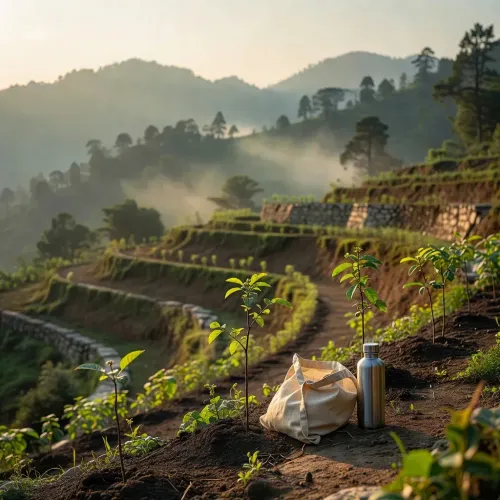
He described Himachal Pradesh's valleys, deodar forests, and rivers as 'priceless heritage' ( अमूल्य धरोहर ) that must be preserved for future generations.
World Nature Conservation Day is observed globally every 28 July to promote awareness of ecosystem and natural resource protection.
Himachal Pradesh is home to ecologically sensitive Himalayan forests, snow-fed rivers including the Beas, Ravi, and Satluj , and rich biodiversity corridors.
India's National Mission on Sustaining the Himalayan Ecosystem provides the national policy framework within which such state-level commitments operate.
No new scheme or budget allocation was announced; the statement reinforces existing conservation priorities ahead of upcoming state budget and forest department reviews.
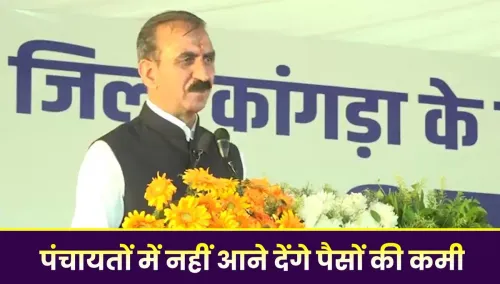
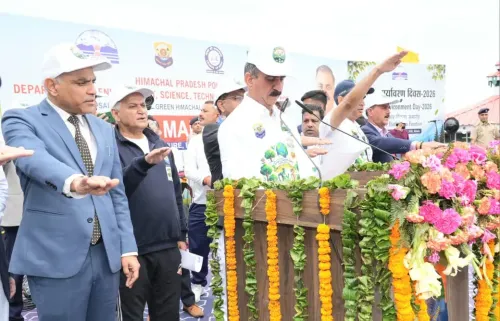
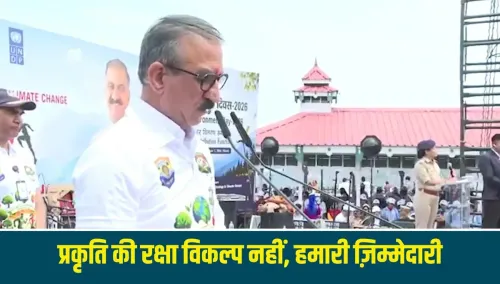
Himachal Pradesh Chief Minister Sukhvinder Singh Sukhu on Tuesday, 28 July 2026, marked World Nature Conservation Day by calling on citizens to pledge the protection of the state's valleys, deodar forests, and rivers for future generations. The message, posted on his official X account, frames Himachal Pradesh's natural heritage as an irreplaceable legacy that must be actively safeguarded.
Context
In his post, Chief Minister Sukhu wrote: 'हिमाचल की वादियाँ, देवदार के वन और कल-कल बहती नदियाँ हमारी अमूल्य धरोहर हैं' ('The valleys of Himachal, the deodar forests and the gurgling rivers are our priceless heritage'). He extended greetings on the occasion and urged all to resolve to preserve this 'invaluable natural wealth' for coming generations. World Nature Conservation Day, observed annually on 28 July, serves as a global platform to highlight the urgency of protecting ecosystems and natural resources.
Himachal Pradesh is among India's most ecologically sensitive states, home to dense deodar and oak forests, snow-fed river systems including the Beas, Ravi, and Satluj, and a rich biodiversity corridor along the western Himalayas. The state's forest cover and mountain ecosystems are central to both its economy and its identity.
Policy Backdrop
India's National Action Plan on Climate Change (2008) includes two missions directly relevant to states like Himachal Pradesh: the National Mission for Green India, which targets afforestation and ecosystem restoration, and the National Mission on Sustaining the Himalayan Ecosystem, which focuses on glaciers, biodiversity, and mountain communities. These frameworks provide the national policy spine within which state-level conservation commitments are made.
Himachal Pradesh has historically maintained emphasis on forest cover targets and protected area management as part of both its state biodiversity strategy and national obligations. Indian Himalayan states routinely use global environmental observances to reinforce administrative focus on sustainable natural resource management, particularly as pressures from climate change, hydropower development, and tourism continue to mount.
Stakeholders and Impact
The communities most directly affected by forest and river conservation in Himachal Pradesh include local residents dependent on forest produce, farming communities reliant on river water for irrigation, and the state's substantial tourism sector, which draws visitors to its valleys and wilderness areas. Forest-dwelling communities also have a direct stake in how conservation policies are designed and enforced.
Environmental advocates and state forest department officials are among those who look to such high-profile statements as signals of political prioritisation. While the Chief Minister's message does not announce a specific new scheme or allocation, public pledges by elected leaders on conservation days often precede or accompany budget-cycle decisions on forest and environment spending.
What's Next
Attention will turn to the Himachal Pradesh state budget and the forest department's annual reports in the coming months for any updated conservation funding, afforestation targets, or new protected-area notifications. At the national level, environment ministry reviews of Himalayan ecosystem missions will be a key indicator of how central resources flow to states like Himachal Pradesh. Chief Minister Sukhu's public commitment on this occasion adds to the political record against which future policy decisions on the state's forests and rivers will be measured.
Point of View
Hydropower expansion, and overtourism. The real test of intent will come when state budget allocations and forest department targets are published in the months ahead.
NationPress
28 Jul 2026
Frequently Asked Questions
What did Himachal Pradesh CM Sukhu say on World Nature Conservation Day 2026?
Chief Minister Sukhvinder Singh Sukhu called Himachal Pradesh's valleys, deodar forests, and rivers 'priceless heritage' and urged citizens to pledge their protection for future generations on World Nature Conservation Day, 28 July 2026.
When is World Nature Conservation Day observed?
World Nature Conservation Day is observed every year on 28 July to raise global awareness about the importance of protecting natural resources and ecosystems.
Why is Himachal Pradesh important for nature conservation in India?
Himachal Pradesh lies in the ecologically sensitive western Himalayas and is home to dense deodar forests, snow-fed rivers such as the Beas, Ravi, and Satluj, and rich biodiversity corridors, making it a priority area under national Himalayan ecosystem missions.
What is the National Mission on Sustaining the Himalayan Ecosystem?
It is one of eight missions under India's National Action Plan on Climate Change, launched in 2008, aimed at protecting Himalayan glaciers, biodiversity, and mountain communities in states including Himachal Pradesh.
Did CM Sukhu announce any new conservation scheme on this occasion?
No new scheme or budget allocation was announced. The statement reinforced existing conservation priorities, with specific policy decisions expected to emerge in upcoming state budget presentations and forest department reports.